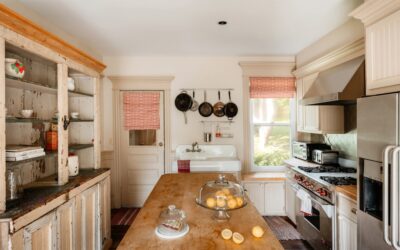
A farmhouse kitchen backsplash should look charming and handmade, not expensive and polished. The good news is that the farmhouse aesthetic actually favors affordable materials — shiplap, beadboard, basic subway tile, and painted surfaces are all core farmhouse elements that cost a fraction of designer tile and stone. Here are the best budget-friendly options.
Part of our Kitchen Remodeling guide — explore the full guide →
Under $100 Options
Painted Shiplap (DIY)
Cost: $50 to $150 for materials
Pine shiplap boards from the home center, cut to fit your backsplash area, attached with construction adhesive and brad nails, and painted white. This is the quintessential farmhouse backsplash and one of the cheapest to install. Use PVC shiplap ($3-4/sq ft) for the area directly behind the sink, and wood shiplap ($1-2/sq ft) elsewhere.
Total materials for a 20-square-foot backsplash: $40 to $80 for boards, $10 to $15 for adhesive and nails, $15 to $25 for primer and paint.
Beadboard (DIY)
Cost: $40 to $100 for materials
A 4×8-foot sheet of MDF or PVC beadboard ($15 to $35) covers most kitchen backsplash areas. Cut to fit, attach with adhesive and nails, add a cap molding strip on top, caulk the seams, prime, and paint. Two hours of work, under $100 in materials, and instant farmhouse charm.
Paint Only (With Chair Rail)
Cost: $30 to $60 for materials
A coat of semi-gloss paint on the wall between the countertop and upper cabinets creates a clean, simple backsplash. Add a narrow chair rail molding strip at the top to create a finished edge that defines the backsplash area. This is the absolute cheapest backsplash option and works in minimal farmhouse kitchens.
Peel-and-Stick Subway Tile
Cost: $50 to $150 for materials
Modern peel-and-stick tiles (Smart Tiles, Tic Tac Tiles, Art3d) come in convincing white subway tile patterns that apply directly to clean, smooth walls. No mortar, no grout, no tools. They are renter-friendly since they peel off without damage. Quality brands look surprisingly realistic and last 3 to 5 years.
Under $300 Options
White Ceramic Subway Tile (DIY)
Cost: $100 to $300 for a full kitchen backsplash
White 3×6-inch ceramic subway tile costs $0.15 to $0.50 per tile ($2 to $7 per square foot). For a 20-square-foot backsplash, the tile costs $40 to $140. Add $30 to $50 for thin-set mortar, grout, and a notched trowel. A manual tile cutter ($20 to $40) handles straight cuts.
DIY subway tile installation is one of the most accessible tile projects for beginners. The small, flat tiles are forgiving, and the simple running bond pattern does not require complex cuts or layout planning.
Whitewashed Brick Veneer
Cost: $100 to $250 for materials
Thin brick veneer panels ($5 to $12 per square foot) create an instant rustic brick backsplash. Apply with construction adhesive, then whitewash with diluted white paint (1 part paint to 2 parts water) for a soft, aged farmhouse look. The whitewash lets the brick texture show through while lightening the color to match white farmhouse cabinets.
Tin Ceiling Tiles
Cost: $100 to $250 for materials
Pressed tin or aluminum panels ($5 to $12 per square foot) in vintage patterns create a charming farmhouse backsplash. Attach with construction adhesive or small nails. Available in silver, white, copper, and bronze finishes. Silver or white pressed tin behind a farmhouse sink is a classic combination.
Under $500 Options
Handmade-Look Subway Tile
Cost: $200 to $500 for materials and DIY installation
Handmade or handmade-look subway tiles ($8 to $15 per square foot) have slight irregularities that create an artisanal, collected-over-time feel. The undulating surface catches light differently across each tile, adding depth and character. This is a step up from standard subway tile that makes a noticeable difference in the finished look.
Zellige-Style Tile
Cost: $300 to $500 for materials for a small accent area
Budget-friendly zellige-style tiles from brands like Bedrosians and Cle Tile start at $10 to $15 per square foot. Use zellige behind the range as a focal accent (6 to 10 square feet) rather than covering every wall, and fill the remaining backsplash area with paint or shiplap. This gives you the high-end look at a fraction of the full zellige cost.
Concrete Overlay (DIY)
Cost: $100 to $250 for materials
Apply a thin concrete skim coat directly to the backsplash wall using products like Henry Feather Finish or Ardex Feather Finish. The result is a smooth, modern concrete surface that complements both modern farmhouse and industrial farmhouse kitchens. Seal with a clear matte sealer for kitchen use.
Design Tips for Budget Farmhouse Backsplashes
Embrace Imperfection
The farmhouse aesthetic values character over perfection. Slightly uneven shiplap boards, visible nail holes filled with putty, and hand-applied paint add authenticity. Do not stress about achieving a factory-perfect finish — a little imperfection is part of the charm.
White Is the Default
White painted surfaces (shiplap, beadboard, tile) are the farmhouse standard. White brightens the kitchen, makes it feel larger, and lets other elements (wood shelving, vintage hardware, a colorful rug) stand out.
Mix with Open Shelving
Replace one section of upper cabinets with open wood shelves against your new backsplash. The backsplash becomes a backdrop for displaying farmhouse-style dishes, mason jars, and plants. Floating wood shelves on a white shiplap backsplash is one of the most photographed farmhouse kitchen details.
Focus on the Range Wall
If your budget is very tight, upgrade only the backsplash behind the range/stove. This is the kitchen’s natural focal point and where your eye goes first. Use a nicer material here (handmade tile, brick veneer) and keep the rest of the backsplash simple (paint or shiplap).
Add a Shelf Ledge
A narrow wood ledge (1×3 or 1×4 with small brackets) installed along the backsplash between the counter and upper cabinets provides display space for small items — spice jars, small plants, recipe cards. It is a functional and decorative addition that costs under $30 in materials.