A farmhouse backsplash sets the tone for the entire kitchen. It is the design element that signals whether your space leans classic country, modern farmhouse, or rustic cottage. The best farmhouse backsplashes combine accessible materials, warm textures, and unpretentious charm — nothing too polished, nothing too fussy.
Part of our Kitchen Remodeling guide — explore the full guide →
The farmhouse style has proven to be one of the most enduring kitchen trends. Unlike some design fads that peak and fade within a few years, the farmhouse aesthetic keeps evolving while staying true to its roots: natural materials, handcrafted textures, and a warm, welcoming feel. This guide covers the best backsplash options to achieve that look.
Defining the Farmhouse Backsplash Style
A farmhouse backsplash draws from the American rural tradition where kitchens were functional, unpretentious, and built with locally available materials. Modern farmhouse design refines that concept with cleaner lines and updated materials, but the core principles remain:
- Natural textures — Wood, stone, brick, and handmade tile are preferred over sleek, manufactured surfaces.
- Muted colors — Whites, creams, soft grays, sage greens, and warm neutrals dominate the farmhouse palette.
- Simple patterns — Brick-lay subway tile, horizontal shiplap, and classic herringbone are favored over complex mosaics or geometric shapes.
- Handcrafted character — Slightly imperfect surfaces, like hand-formed tile or reclaimed brick, convey authenticity.
- Warm metals — Oil-rubbed bronze, antique brass, and copper hardware complement the earthy material palette.
The farmhouse backsplash should feel intentional but not overthought. It supports the kitchen’s overall warmth without competing for attention with the cabinetry, countertops, or open shelving that are hallmarks of the style.
Subway Tile for Farmhouse Kitchens
White subway tile is the single most popular farmhouse backsplash and for good reason. It is clean, classic, affordable, and pairs effortlessly with the shaker cabinets, butcher block countertops, and open shelving that define farmhouse kitchens.
The key to making subway tile feel farmhouse rather than generic is in the details:
Handmade or zellige-style tile — Tiles with slightly irregular surfaces and undulating glazes add the handcrafted charm that mass-produced subway tile lacks. This is the single biggest upgrade you can make to a farmhouse subway tile backsplash. Expect to pay $8 to $25 per square foot compared to $1.50 to $5 for standard machine-made tile.
Grout color — A warm gray or beige grout softens the look compared to stark white. Black or dark charcoal grout creates a graphic, modern farmhouse feel that highlights the individual tiles.
Size and layout — The classic 3×6 brick-lay pattern is the most traditional farmhouse look. For a slightly updated feel, try 3×6 in a herringbone pattern or an elongated 4×12 format in a standard offset.
Color variations — While white is the standard, soft green, pale blue, or warm cream subway tile adds personality without straying from the farmhouse palette.
Shiplap Backsplash
Shiplap is synonymous with farmhouse design, and it works beautifully as a backsplash material. The horizontal boards with their signature shadow-line joints add warmth and texture that tile cannot replicate.
Best materials — Use PVC shiplap near sinks for water resistance. Pine or poplar shiplap works well on walls away from direct water exposure. MDF is the budget option but must be sealed thoroughly.
Installation — Shiplap installs with construction adhesive and brad nails over existing drywall. Most homeowners can complete a kitchen backsplash in a single day. Total material cost for a 30-square-foot backsplash ranges from $45 to $150.
Finishing — Paint white with semi-gloss paint for the classic farmhouse look. For a more rustic feel, apply a whitewash or leave natural wood with a clear sealant.
Limitation — Shiplap should not go directly behind a gas range. Use a tile or metal panel behind the cooktop and shiplap on the surrounding walls for a safe, attractive combination.
Brick and Brick-Look Options
Exposed brick is the original farmhouse wall treatment. In a kitchen backsplash application, real brick and brick-look products deliver rustic warmth that anchors the entire room.
Thin brick veneer — Real clay brick sliced to approximately half an inch thick. It installs like tile with mortar or adhesive and provides the authentic look and texture of full brick at a fraction of the weight and thickness. Costs $5 to $15 per square foot.
Reclaimed brick — Salvaged from old buildings, reclaimed brick has weathered character and color variation that new brick cannot match. It is the most authentic option but also the most expensive and difficult to source, running $8 to $25 per square foot.
Brick-look porcelain tile — Manufactured tiles that replicate the appearance of brick. They are easier to clean and maintain than real brick and do not require sealing. Costs $3 to $12 per square foot.
Faux brick panels — Lightweight polyurethane or PVC panels with a molded brick texture. These are the most budget-friendly and DIY-friendly option at $2 to $8 per square foot but lack the authentic depth and variation of real brick.
Sealing is essential for any real brick backsplash. Brick is porous and will absorb grease and moisture without a quality penetrating sealer applied after installation.
Patterned and Cement Tile
Patterned tile brings personality and focal-point energy to a farmhouse kitchen. The most popular options include:
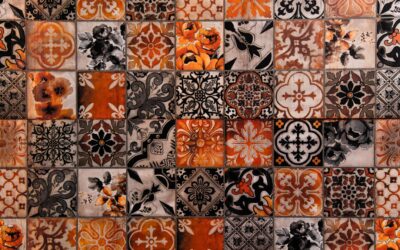
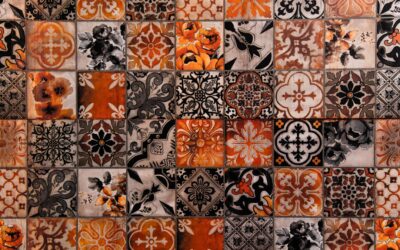
Cement tile — Hand-poured cement tiles with geometric or floral patterns have become a signature element in modern farmhouse kitchens. Black-and-white patterns behind the range create a statement that feels both vintage and current. Costs $8 to $20 per square foot.
Encaustic-look porcelain — Porcelain tiles that replicate the look of traditional cement tile without the sealing requirements. They are more durable, stain-resistant, and affordable than real cement tile. Costs $3 to $10 per square foot.
Moroccan or Spanish-inspired tile — Hand-painted or screen-printed tiles with Mediterranean patterns add color and artisan character. These work particularly well as a limited accent behind the range with simpler tile on the surrounding walls.
Arabesque or lantern tile — Curved tiles in white, cream, or soft blue add a subtle pattern without the boldness of a geometric print. They pair naturally with farmhouse cabinetry and warm hardware.
When using patterned tile in a farmhouse kitchen, keep the rest of the room simple. White or neutral cabinets, solid countertops, and minimal accessories let the tile pattern take center stage without visual competition.
Farmhouse Color Palettes
The color of your farmhouse backsplash sets the mood for the kitchen. Here are the palettes that work best:
Classic white — White subway tile or shiplap with white or light gray grout. This is the safest and most timeless farmhouse palette. It brightens the kitchen and creates a clean backdrop for wood accents and rustic accessories.
Warm neutrals — Cream, beige, and warm gray tile paired with natural wood cabinets and butcher block countertops. This palette feels cozy and inviting without any bold color risks.
Sage and green — Soft green backsplash tiles or painted shiplap paired with white cabinets and brass hardware. Green is the accent color most closely associated with modern farmhouse design in 2026.
Blue and white — Light blue, navy, or dusty blue tile with white cabinetry creates a coastal farmhouse feel. This palette works especially well in kitchens near the coast or in lake houses.
Black and white — A more dramatic farmhouse look. Black or charcoal backsplash tile with white cabinets, or black-and-white patterned cement tile, delivers the farmhouse structure with a contemporary edge.
DIY-Friendly Farmhouse Backsplash Options
Farmhouse design celebrates the handmade and the hands-on. These backsplash options are well-suited for DIY installation:
- Shiplap panels — The easiest DIY backsplash. Cut, glue, nail, and paint. No special tools beyond a saw and brad nailer. Total project time: 4 to 6 hours.
- Beadboard panels — Similar to shiplap in difficulty and installation method. Sheet beadboard covers a kitchen backsplash in a single afternoon.
- Peel-and-stick subway tile — Quality peel-and-stick products have improved dramatically. They require no thinset, no grout, and no wet saw. Installation is straightforward and reversible.
- Standard subway tile — Basic subway tile is one of the most DIY-accessible tile projects. The uniform size and straight lines minimize cutting complexity. A wet saw rental costs $40 to $60 per day.
- Faux brick panels — Polyurethane brick panels install with adhesive and screws. They are lightweight and easy to cut with a utility knife or saw.
For first-time DIYers, the easiest starting points are shiplap or peel-and-stick tile. Both are forgiving of minor measurement errors and can be adjusted without ruining materials.
Cost Comparison
Here is what each farmhouse backsplash option costs for a standard 30-square-foot kitchen installation in 2026:
- White shiplap (DIY) — $75 to $180 total including paint and supplies
- Beadboard panels (DIY) — $50 to $150 total including paint
- Peel-and-stick tile (DIY) — $90 to $250 total
- Ceramic subway tile (DIY) — $120 to $300 total including grout and thinset
- Ceramic subway tile (professional) — $300 to $700 installed
- Handmade/zellige subway tile (professional) — $500 to $1,200 installed
- Thin brick veneer (professional) — $400 to $900 installed
- Cement tile (professional) — $500 to $1,000 installed
A farmhouse backsplash does not need to be expensive to look great. Some of the most charming farmhouse kitchens use basic white subway tile or painted shiplap — materials that cost well under $200 for a full backsplash.
Frequently Asked Questions
What is the best backsplash for a farmhouse kitchen?
White subway tile is the most popular and versatile farmhouse backsplash. It is affordable, timeless, and pairs with every farmhouse variation from rustic to modern. For more personality, consider handmade tile, shiplap, or a patterned cement tile accent behind the range.
Is shiplap a good kitchen backsplash?
Yes, with caveats. Shiplap works well on walls away from direct heat and heavy water exposure. Use PVC shiplap near sinks and install a tile or metal panel behind the stove. When properly sealed and painted, shiplap is an attractive, budget-friendly farmhouse backsplash that lasts for years.
What backsplash goes with farmhouse cabinets?
White or cream shaker-style farmhouse cabinets pair best with white subway tile, handmade tile, brick veneer, or shiplap. For wood-tone or painted farmhouse cabinets in colors like sage or navy, a white or neutral backsplash provides balance. Keep the backsplash simpler when the cabinets have a strong color or texture.
Can you mix materials in a farmhouse backsplash?
Absolutely. A common and effective approach is to install a patterned cement tile or decorative tile behind the range as a focal point, with plain subway tile or shiplap on the remaining backsplash walls. This creates visual interest without overwhelming the space.
Is farmhouse style going out of fashion?
The heavily decorated, Fixer Upper-era farmhouse style has evolved, but the core aesthetic — natural materials, warm neutrals, shaker cabinets, and handcrafted textures — remains strongly popular. Modern farmhouse, which blends farmhouse warmth with cleaner lines and less clutter, is a dominant kitchen style in 2026.
Prefer to explore on your own?
See how new flooring looks in your actual room in seconds — free, no signup.
Try the free Floor Studio →