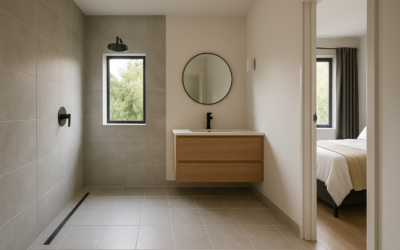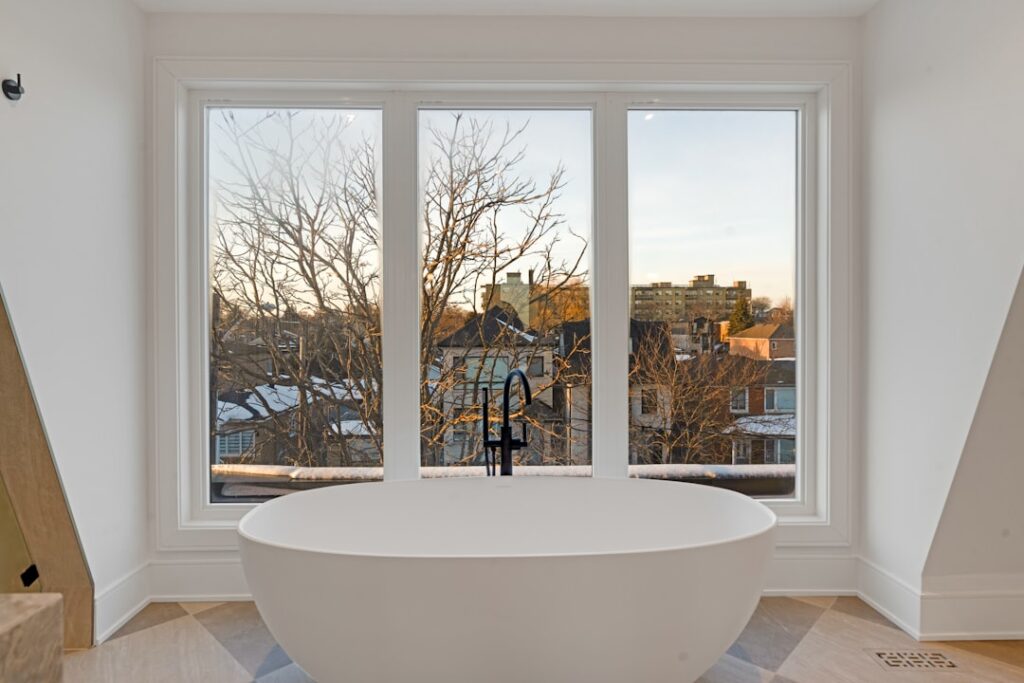
Bathroom flooring faces a unique combination of challenges — constant moisture exposure, temperature changes, humidity, cleaning chemicals, and the risk of standing water from splashes, overflows, and leaks. Not every flooring material survives these conditions, and choosing the wrong one leads to warping, mold, water damage, and costly replacement.
Part of our Bathroom Remodeling & Flooring guide — explore the full guide →
This guide compares the best flooring for bathrooms in 2026, covering performance, cost, installation, and style for each option so you can choose the floor that handles everything your bathroom throws at it.
What Bathroom Flooring Needs to Handle
Before comparing materials, understand what makes bathroom flooring uniquely demanding:
- Standing water: Splashes from showers, tubs, and sinks create puddles that sit on the floor
- High humidity: Steam from hot showers saturates the air and condenses on cool surfaces
- Temperature fluctuations: Hot steam followed by cool ambient air creates expansion and contraction cycles
- Cleaning chemicals: Bathroom cleaners, bleach, and disinfectants contact the floor regularly
- Slip hazard: Wet feet on smooth surfaces create a safety risk that the flooring must address
- Subfloor moisture: Moisture can penetrate to the subfloor through seams and edges over time
Best Bathroom Flooring Options
Porcelain Tile
Porcelain tile is the gold standard for bathroom flooring. Its near-zero water absorption rate (less than 0.5 percent) makes it effectively waterproof. Porcelain handles standing water, steam, cleaning chemicals, and temperature changes without any degradation.
Pros: Completely waterproof, extremely durable, huge range of styles and sizes, increases home value, handles radiant heating, lasts 50+ years.
Cons: Cold underfoot without radiant heat, hard surface (uncomfortable for standing), professional installation recommended, higher cost, grout requires sealing and maintenance.
Cost: $5–$15 per square foot installed.
Ceramic Tile
Ceramic tile is similar to porcelain but with a slightly higher absorption rate. It performs well in most bathrooms but is not recommended for steam showers or areas with prolonged water exposure. Ceramic costs less than porcelain and comes in an even wider variety of designs.
Pros: Water-resistant, affordable, huge design selection, durable, easy to clean.
Cons: Not fully waterproof (higher absorption than porcelain), colder and harder than other options, grout maintenance required, chips more easily than porcelain.
Cost: $3–$10 per square foot installed.
Luxury Vinyl Plank and Tile
LVP and luxury vinyl tile have become increasingly popular for bathrooms thanks to their waterproof construction, comfortable feel, and realistic stone and wood visuals. The rigid SPC core resists water penetration, and the vinyl surface handles moisture, chemicals, and cleaning without damage.
Pros: Waterproof, warm and comfortable underfoot, slip-resistant options available, easy DIY installation, affordable, realistic wood and stone looks.
Cons: Seams can allow water through to subfloor in flood situations, cannot withstand extreme heat near radiant heaters, not as prestigious as tile in real estate terms.
Cost: $3–$8 per square foot installed.
Natural Stone
Natural stone like marble, slate, travertine, and limestone creates stunning luxury bathrooms. Each piece is unique, and stone adds significant value and visual impact to any bathroom.
Pros: Unmatched luxury appearance, unique natural beauty, extremely durable, adds home value, works with radiant heat.
Cons: Expensive, requires regular sealing (every 6–12 months), porous without sealant, cold underfoot, heavy (may need subfloor reinforcement), professional installation required, acidic cleaners cause etching.
Cost: $10–$30 per square foot installed.
Sheet Vinyl
Sheet vinyl provides seamless waterproof coverage for bathrooms at the lowest cost. The continuous surface eliminates seams where water could penetrate, making it one of the most moisture-secure flooring options available.
Pros: Fully waterproof, seamless coverage, affordable, warm underfoot, slip-resistant textures available, cushioned comfort.
Cons: Professional installation recommended, less realistic than LVP or tile, can be damaged by sharp objects, limited design options compared to tile or LVP.
Cost: $2–$5 per square foot installed.
Concrete
Polished or sealed concrete creates a modern, industrial-chic bathroom aesthetic. When properly sealed, concrete is waterproof and extremely durable. It works exceptionally well with radiant floor heating.
Pros: Waterproof when sealed, modern aesthetic, extremely durable, works with radiant heat, low maintenance.
Cons: Cold and hard underfoot, requires periodic resealing, can crack, limited to certain home types and styles, industrial look not universally appealing.
Cost: $3–$15 per square foot depending on finish level.
Bathroom Flooring to Avoid
Solid Hardwood
Solid hardwood in bathrooms is a recipe for disaster. Wood absorbs moisture, swells, warps, and develops mold in the consistently humid bathroom environment. Even with excellent ventilation and careful water management, hardwood bathroom floors deteriorate far faster than in dry rooms.
Standard Laminate
Standard laminate flooring uses a fiberboard core that swells when wet. Despite water-resistant treatments on the surface, water inevitably reaches the core through seams and edges in bathroom conditions. Water-resistant laminate exists but is still not recommended for full bathrooms with showers or tubs.
Untreated Carpet
Carpet in bathrooms traps moisture, breeds mold and mildew, and develops odors. Even with frequent cleaning, bathroom carpet becomes a hygiene concern. If you want softness, use washable bath mats over a waterproof floor.
Choosing the Right Bathroom Floor
Master Bathrooms
Master bathrooms are the most visible bathroom in the home and deserve premium materials. Porcelain tile, natural stone, or high-end LVP all work beautifully. Consider radiant floor heating for tile or stone to eliminate the cold-surface complaint.
Kids’ Bathrooms
Expect more water on the floor in kids’ bathrooms. Choose the most waterproof option you can afford — porcelain tile or LVP with sealed edges. Slip resistance is especially important. Avoid natural stone, which requires maintenance that children’s bathroom use makes difficult to sustain.
Powder Rooms
Half-baths without showers or tubs face less moisture than full bathrooms. You have more flooring flexibility here — even engineered wood can work in a powder room since there is no shower steam or bathing-related water exposure. This is a good room to make a design statement with a premium material.
Basement Bathrooms
Below-grade bathrooms combine bathroom moisture with potential groundwater intrusion. Waterproof flooring is non-negotiable. Porcelain tile on a properly waterproofed concrete slab is the safest choice. LVP with SPC core is the more affordable alternative that handles the conditions well.
Slip Resistance for Bathroom Safety
Wet bathroom floors are a serious slip hazard, especially for children and elderly residents. Choose flooring with textured surfaces rated for wet-area slip resistance. Look for DCOF (Dynamic Coefficient of Friction) ratings of 0.42 or higher for flat surfaces and 0.65 or higher for shower floors.
Smaller tiles with more grout lines provide better grip than large-format tiles because the grout lines create natural traction. Matte and textured finishes offer better grip than polished or glossy surfaces. Non-slip treatments can be applied to existing smooth surfaces if replacement is not in the budget.
Installation Considerations
Waterproofing the Subfloor
Even waterproof flooring needs a waterproofed subfloor in areas around showers and tubs. A waterproof membrane (Kerdi, RedGard, or similar) applied to the subfloor prevents any water that gets past the flooring from damaging the structural subfloor.
Proper Slope
Bathroom floors should slope slightly toward drains to prevent standing water. This is especially important in walk-in showers and wet rooms where water contacts the floor directly. A slope of 1/4 inch per foot toward the drain is standard.
Transition to Other Rooms
The junction between bathroom flooring and hallway flooring needs a waterproof transition that prevents moisture migration. Properly installed transition strips create a barrier that keeps bathroom moisture contained.
Final Thoughts
The best flooring for bathrooms prioritizes waterproof performance and slip resistance above all other factors. Porcelain tile remains the benchmark for durability and moisture protection, while LVP offers a warm, affordable, DIY-friendly alternative. Natural stone delivers unmatched luxury for those with the budget.
Avoid any flooring that absorbs water — solid hardwood, standard laminate, and carpet have no place in bathrooms. Choose a material that can handle your bathroom’s specific moisture levels, install it properly with appropriate waterproofing, and your bathroom floor will perform beautifully for years.
Prefer to explore on your own?
See how new flooring looks in your actual room in seconds — free, no signup.
Try the free Floor Studio →