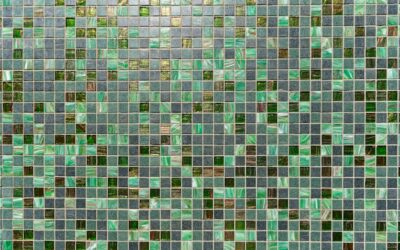
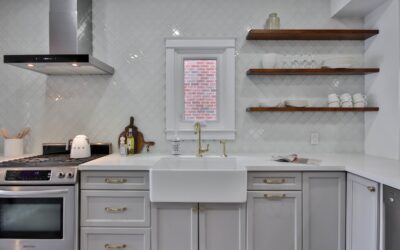
A glass mosaic backsplash is one of the fastest ways to give a kitchen or bathroom a high-end, light-filled look. The small glass tiles catch and bounce light, adding depth and shimmer that solid tile simply cannot match. Because glass is nonporous, the surface also wipes clean in seconds, which makes it a practical choice behind a busy stove or sink, not just a pretty one.
Part of our Kitchen Remodeling guide — explore the full guide →
Mosaics come mounted on mesh sheets, usually around 12 by 12 inches, so you install many tiny tiles at once rather than placing each piece. That makes the look more achievable for a motivated DIYer than it appears, though glass has a few quirks that are worth understanding before you start cutting and spreading thinset.
Why Choose Glass Mosaic
The appeal starts with light. Glass is translucent or reflective, so a mosaic backsplash brightens darker kitchens and makes small spaces feel larger. The tiny scale of mosaic tiles also adds visual texture and lets you introduce subtle color blends, gradients, and accents that read as custom and modern.
On the practical side, glass does not absorb water, grease, or stains, so it resists the splatter and steam a backsplash constantly faces. A quick wipe handles most messes, and glass will not harbor odors or discolor over time the way some porous materials can. It is also a non-structural, lightweight finish that suits both kitchens and bathroom vanities.
Popular Styles and Formats
Glass mosaics come in a wide range of shapes and finishes, so you can dial in nearly any aesthetic:
- Square mosaics – classic small squares, often 1 inch or smaller, for a clean grid look.
- Mini subway and brick – small rectangular glass laid in a running bond for a contemporary twist on the subway trend.
- Penny and hexagon – rounded or six-sided tiles for vintage or modern geometric flair.
- Linear and stacked – thin glass strips arranged horizontally or vertically for a sleek, elongating effect.
- Mixed-material blends – glass combined with stone or metal chips for added texture and warmth.
Finishes range from glossy and iridescent to frosted and matte. Glossy maximizes shine and light, while frosted offers a softer, more muted look that hides fingerprints and water spots a bit better.
Planning Your Project
Measure the area carefully, height times width for each wall section, and add about 10 percent for cuts and waste. Order all your tile from the same production lot when possible, because glass color can vary slightly between batches. Glass mosaics are typically priced per square foot or per sheet; expect a broad range from roughly $7 to $30 or more per square foot depending on quality and design, plus thinset, grout, and tools.
Decide on grout color early, since it dramatically changes the look. A matching grout lets the glass blend into a smooth field, while a contrasting grout emphasizes each tile and the pattern. With translucent glass, remember that thinset color can show through, so use a white thinset rated for glass to keep the color true.
Installation Basics
Installing glass mosaic differs from standard tile in a few important ways. Use a white, polymer-modified thinset specifically rated for glass, and apply it with a fine-notch trowel so ridges do not show through the translucent tiles. A general sequence looks like this:
- Clean and prep the wall so it is flat, dry, and free of grease.
- Find your center line and dry-lay sheets to plan the layout and cuts.
- Spread white thinset, then flatten the ridges before pressing sheets in place.
- Set each sheet, aligning the mesh edges so the grout lines stay even between sheets.
- Let the thinset cure fully before grouting.
- Grout, wipe off the haze, and seal the grout once cured.
Cutting glass requires care. Use a wet saw with a glass-rated diamond blade, go slowly to avoid chipping, and wear eye protection and gloves because cut glass edges are sharp. Score-and-snap nippers work for small adjustments, but a wet saw gives cleaner results on visible cuts.
Grouting and Sealing
Because glass is nonporous, the tiles themselves never need sealing, but cement-based grout does. After grouting and curing, apply a penetrating grout sealer to keep the joints from absorbing grease and stains, and reapply periodically in heavy-use areas. Alternatively, epoxy grout resists stains and moisture without a separate sealer, which is a popular upgrade for backsplashes that see a lot of cooking splatter.
Take care when wiping grout haze off glass; some pigmented grouts can lightly tint glossy or porous-edged tiles, so test in a small area and remove haze promptly with a clean, damp sponge.
Cleaning and Maintenance
Day-to-day care could not be simpler. Wipe the surface with a soft cloth and a mild, non-abrasive cleaner or a glass cleaner to keep it shining. Avoid abrasive pads and gritty scrubs that can scratch the glass over time. For stubborn cooking residue, a damp cloth with a little dish soap usually does the trick.
- Wipe spills and splatter while fresh to prevent buildup.
- Skip harsh acids on cement grout lines, which can erode them.
- Reseal cement grout periodically to keep joints looking clean.
Pros and Cons to Weigh
Before you commit, balance the strengths against the trade-offs so you know what to expect. On the plus side, glass mosaic is luminous, nonporous, hygienic, and easy to clean, and the mesh-mounted sheets make installation more achievable than it looks. It resists stains, moisture, heat, and fading, and it offers near-limitless color and pattern options.
- Pros – reflects light and brightens rooms, wipes clean instantly, resists stains and moisture, huge design range, and durable for decades.
- Cons – higher cost per square foot than basic ceramic, requires careful cutting to avoid chips, shows thinset and grout color through translucent tile, and glossy finishes reveal fingerprints and water spots.
For most homeowners the pros win easily on a backsplash, since the area is small and the visual payoff is large. Just go in knowing the installation demands patience and the right glass-rated materials.
Is a Glass Mosaic Backsplash Worth It?
For most homeowners, the answer is yes. A glass mosaic backsplash delivers a luminous, custom look, stands up beautifully to kitchen mess, and cleans with almost no effort. It costs more per square foot than basic ceramic, but a backsplash is a small area, so even premium glass keeps the total manageable. Choose a finish and grout that match your style, use the right glass-rated materials, and take your time with cuts and curing. The payoff is a feature wall that brightens the whole room and stays looking new for years.