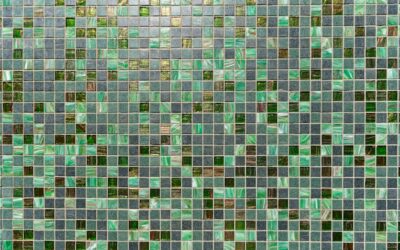
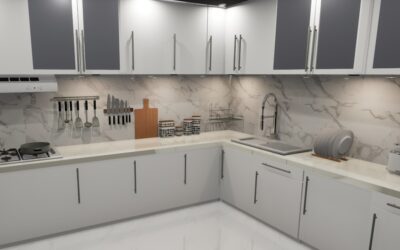
Nothing dresses up a kitchen wall quite like small tiles arranged in an intricate pattern. A mosaic tile backsplash packs visual interest into the space between your countertop and cabinets, turning a purely functional surface into a design focal point. Because the tiles come pre-mounted on mesh sheets, they are also surprisingly approachable for a confident DIYer.
Part of our Kitchen Remodeling guide — explore the full guide →
From classic glass subway mosaics to natural stone and penny rounds, the options are nearly endless. Here is how to choose, budget for, install, and care for a mosaic backsplash that looks professional.
- What Is a Mosaic Tile Backsplash?
- Popular Mosaic Backsplash Materials
- Design Ideas
- What a Mosaic Tile Backsplash Costs
- How to Install a Mosaic Tile Backsplash
- Caring for a Mosaic Backsplash
- Choosing the Right Grout
- Sheet-Mounted vs. Loose Mosaics
- Common Installation Mistakes
- Is a Mosaic Backsplash Right for You?
What Is a Mosaic Tile Backsplash?
Mosaic tile is made up of small individual pieces, usually under 2 inches, mounted onto a backing sheet, typically 12 by 12 inches, held together by mesh or paper. Instead of setting hundreds of tiny tiles one by one, you install whole sheets at once and the pattern stays consistent. This makes mosaics a practical choice for the detailed, decorative look of a backsplash.
Popular Mosaic Backsplash Materials
The material sets the tone and affects both price and upkeep.
- Glass mosaic: Reflects light, resists stains, and offers vibrant colors. A top choice for a bright, modern kitchen.
- Ceramic and porcelain: Durable, budget-friendly, and easy to clean.
- Natural stone (marble, travertine, slate): Rich and organic, but porous, so it needs sealing.
- Metal and mixed-material: Stainless or aluminum accents add a contemporary edge, often blended with glass or stone.
Design Ideas
Mosaics come in shapes and layouts that let you match any style.
- Penny rounds for a vintage, playful look
- Hexagons for a trendy geometric statement
- Mini subway and brick patterns for timeless appeal
- Herringbone and chevron for movement and elegance
- Mixed-stone blends for warm, natural texture
For a focal point, run a contrasting mosaic behind the stove or sink and keep the rest of the backsplash simple.
What a Mosaic Tile Backsplash Costs
Costs vary widely by material. As a general guide for materials alone:
- Ceramic and porcelain mosaics: roughly $5 to $15 per square foot.
- Glass mosaics: around $7 to $30 per square foot.
- Natural stone and metal mosaics: $15 to $40 or more per square foot.
Professional installation typically adds $40 to $80 per hour or a per-square-foot labor charge. A typical kitchen backsplash covers 25 to 35 square feet, so DIY installation can save several hundred dollars.
How to Install a Mosaic Tile Backsplash
Sheet-mounted mosaics simplify the work, but precision still matters.
- Prep the wall: clean it, fill holes, and lightly sand glossy paint so thin-set bonds well. Turn off power and remove outlet covers.
- Plan the layout: find the center, mark reference lines, and dry-fit sheets to plan cuts at edges and outlets.
- Apply thin-set: spread a thin layer of mortar or use a quality tile mastic with a notched trowel over a small section.
- Set the sheets: press each sheet into place, keeping spacing even between sheets, and use a grout float or board to press tiles flat and level.
- Cut as needed: trim sheets and individual tiles with a wet saw or nippers around outlets and edges.
- Grout: let the adhesive cure, then spread grout diagonally across the tiles, wipe off the excess, and clean the haze once it dries.
- Seal: seal natural stone and the grout lines to resist stains.
Caring for a Mosaic Backsplash
Wipe the surface with a soft cloth and mild cleaner after cooking to prevent grease buildup. For glass and ceramic, avoid abrasive pads that could scratch the finish. Reseal natural stone and unsealed grout periodically, usually once a year, to keep them stain-resistant. Because mosaics have many grout lines, a quick regular wipe-down keeps them looking sharp.
Choosing the Right Grout
Grout choice has a surprisingly big impact on both looks and maintenance. The grout color sets the mood: a matching grout makes the mosaic read as a seamless field, while a contrasting grout, like dark grout with white tile, emphasizes the pattern and shape of each piece. For material, many homeowners now choose epoxy grout for backsplashes because it is stain-resistant, waterproof, and never needs sealing, which is a real advantage near a stove and sink. Standard cementitious grout costs less but should be sealed to resist grease and stains. With small mosaic tiles you have many grout lines, so picking a low-maintenance grout pays off.
Sheet-Mounted vs. Loose Mosaics
Almost all mosaic backsplash tile comes mounted on a backing, but the backing type matters during installation. Mesh-backed sheets are the most common and easiest to work with; you set the whole sheet in thin-set and the mesh stays embedded. Paper-faced sheets have the paper on the front, which you peel off after the tile sets, giving you tighter, more consistent joints favored on higher-end jobs. Truly loose mosaics, set piece by piece, are rare for backsplashes because the labor is intense. For a DIY project, mesh-backed sheets offer the best balance of ease and good results.
Common Installation Mistakes
A few errors trip up first-timers. Using too much thin-set causes it to ooze up between the small tiles and fill the joints, ruining the look, so spread it thin and use the right notched trowel. Failing to press the sheets flat and level leaves an uneven surface that catches the light unflatteringly, so use a grout float or flat board to seat them. Misaligning the spacing between sheets creates obvious gaps or crowding in the pattern. And grouting before the thin-set has fully cured can shift the tiles. Take your time on layout and pressing, and the finished wall will look professional.
Is a Mosaic Backsplash Right for You?
If you want a backsplash with personality and detail, mosaic tile delivers more visual impact than plain large-format tile. It costs a bit more per square foot and has more grout to maintain, but the payoff is a wall that becomes a centerpiece. Choose a material that fits your budget and cleaning habits, plan your layout carefully, and a mosaic tile backsplash can transform a kitchen or bath for a reasonable price.
Prefer to explore on your own?
See how new flooring looks in your actual room in seconds — free, no signup.
Try the free Floor Studio →