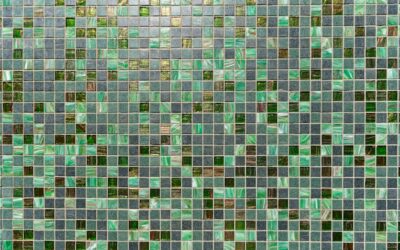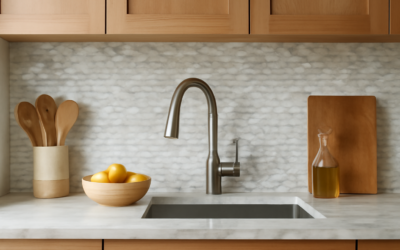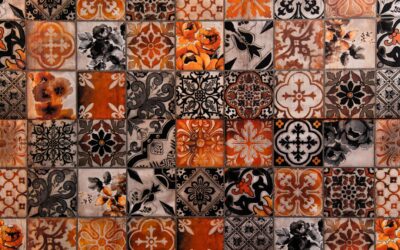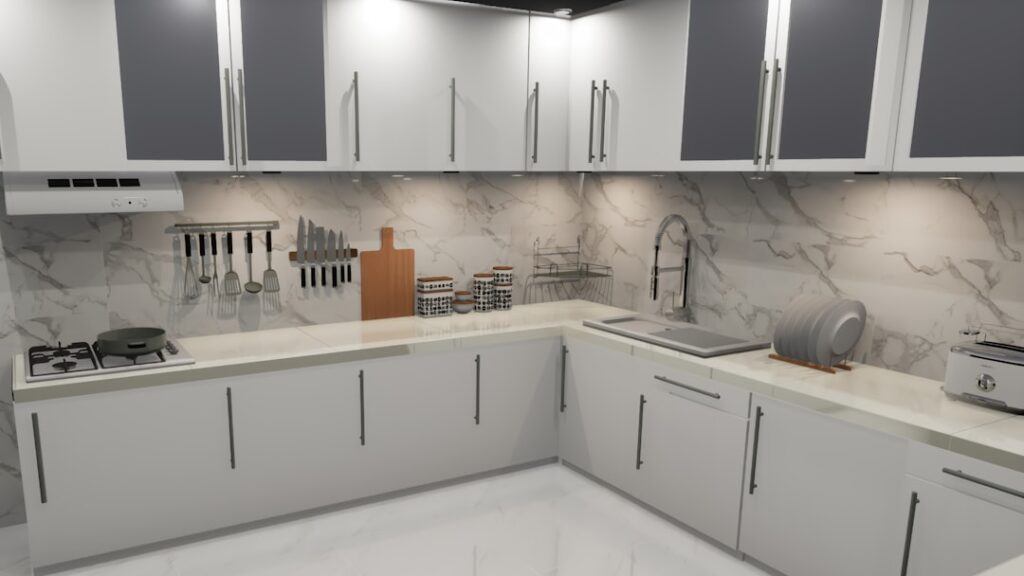
A mosaic kitchen backsplash turns the wall behind your counters into a focal point, layering small tiles into patterns, textures, and color combinations that a single large tile could never achieve. From classic glass subway mixes to intricate marble penny rounds and shimmering metallic blends, mosaics give you almost limitless design freedom in one of the most visible spots in your home.
Part of our Kitchen Remodeling guide — explore the full guide →
Because mosaic tiles come pre-mounted on mesh sheets, they are also surprisingly approachable to install. This guide covers the materials, patterns, costs, installation steps, and maintenance you need to choose and care for a backsplash that looks great for years.
Why Choose a Mosaic Backsplash?
The appeal of mosaic comes down to detail and flexibility. Small tiles catch and reflect light in ways that flatter a kitchen, and the dense grid of grout lines adds subtle texture and visual interest. Because the tiles arrive on 12-by-12-inch mesh sheets, you cover ground faster than setting hundreds of loose pieces by hand.
A mosaic kitchen backsplash also adapts to nearly any style. A white marble herringbone reads as elegant and timeless, a bold geometric pattern feels modern, and a hand-glazed Mediterranean blend brings warmth and color. Few other backsplash options let you express this much personality in a relatively small, budget-friendly area.
Popular Mosaic Materials
The material sets the tone for both looks and upkeep. Here are the most common choices:
- Glass: Reflective, easy to clean, and available in countless colors. Glass resists stains well and brightens a kitchen, though it can show smudges.
- Ceramic and porcelain: Durable, affordable, and low-maintenance, with glazed surfaces that wipe clean easily.
- Natural stone: Marble, travertine, and slate offer organic depth and luxury, but they are porous and require sealing.
- Metal: Stainless and aluminum accents add an industrial or contemporary edge, often used as a border or blend.
- Mixed-material blends: Combinations of glass, stone, and metal deliver rich texture in a single sheet.
Match the material to your habits: low-maintenance glass or porcelain for busy cooks, natural stone if you are willing to seal and pamper it.
Patterns and Shapes
The shape and layout of the tiles shape the entire mood of the wall. Consider these popular options:
- Subway and brick: Small rectangular tiles in an offset pattern, a versatile, ever-popular look.
- Hexagon: A geometric, on-trend choice that ranges from retro to modern depending on color.
- Penny round: Small circles that bring a playful, vintage feel.
- Herringbone and chevron: Angled layouts that add movement and a designer touch.
- Fish scale and arabesque: Curved, decorative shapes for a statement wall.
If your kitchen already has busy countertops or cabinetry, a subtler tone-on-tone mosaic keeps things balanced. With simple surroundings, a bolder pattern can become the room’s centerpiece.
Cost Expectations
Mosaic pricing spans a wide range based on material and complexity, so treat these as general estimates rather than quotes. Mosaic tile sheets commonly run from about $8 to $30 or more per square foot, with basic glass and ceramic at the lower end and natural stone or specialty blends at the top.
Professional installation typically adds roughly $10 to $25 per square foot, because the many small tiles and grout lines take more time than larger formats. The good news is that a typical backsplash covers a small area, often 20 to 40 square feet, so even premium mosaics keep the total project cost reasonable. Always gather itemized local estimates before budgeting.
Installation Overview
Many homeowners successfully install a mosaic kitchen backsplash themselves thanks to the mesh-backed sheets. The general process looks like this:
- Clean and lightly sand the wall, then plan your layout, marking a level center line so the sheets stay straight.
- Spread thin-set mortar or a quality mastic adhesive with a notched trowel, working in small sections so it does not skin over.
- Press each sheet into place, aligning the grout gaps between sheets so the pattern flows seamlessly.
- Cut sheets and individual tiles to fit around outlets and edges using a wet saw or tile nippers; wear eye protection.
- Let the adhesive cure, then apply grout, wipe away the haze, and seal if the material requires it.
The trickiest parts are keeping sheets level and managing outlets, so take your time. If your walls are very uneven or you want flawless natural-stone results, hiring a tile pro is money well spent.
Grout and Sealing Considerations
Grout color dramatically changes the final look. A matching grout creates a seamless, subtle field, while a contrasting color emphasizes the shape of each tile and makes the pattern pop. For high-splash kitchens, many homeowners choose epoxy or a stain-resistant grout because it resists grease and staining better than standard cement grout.
Natural stone mosaics must be sealed before grouting and periodically afterward to prevent staining; glass and glazed ceramic generally do not need sealing. Whatever you choose, follow the manufacturer’s directions for cure and seal times, and keep the kitchen ventilated while working with adhesives and sealers.
Cleaning and Maintenance
Routine care keeps a mosaic backsplash looking sharp. Wipe it down regularly with a soft cloth and mild dish soap, paying attention to grease near the range. Avoid abrasive pads and harsh acidic cleaners, which can dull glazes and erode grout and stone over time.
The many grout lines are the main upkeep point, so address splatters before they set, and re-seal stone and grout as needed to keep them resisting stains. For everyday grime, a soft toothbrush and a gentle cleaner reach into the grout joints without scratching the tile. With this light maintenance, your backsplash will stay vibrant and easy to clean for many years.
Final Thoughts
A mosaic kitchen backsplash combines big design impact with a manageable footprint, letting you add color, texture, and personality without a major renovation. Because the covered area is small, it is also a smart spot to splurge on a material you love. Choose a pattern that suits both your style and your cooking habits, budget for quality installation, and pick the right grout to finish the look. Take care to plan your layout around outlets and the range so the design reads cleanly, and you will avoid the awkward cuts that cheapen an otherwise beautiful wall. Do that, and your backsplash will be a durable, eye-catching feature at the heart of your kitchen for many years to come.