Half wall paneling is the single highest-impact architectural detail you can add to a builder-grade interior, and it costs $4 to $12 per linear foot of wall in materials. The right design transforms flat sheet-rocked rooms into spaces that read 100 years older than they actually are. Whether you call it wainscoting, board and batten, beadboard, or shaker paneling, all half wall paneling ideas share the same goal: break a tall wall into a more human-scaled lower section that grounds furniture and adds texture. This guide covers the eight panel styles homeowners actually install, height rules, material options, and the DIY method that works.
- Why Half Wall Paneling Works
- Standard Heights to Know
- Style 1: Board and Batten
- Style 2: Shaker Style
- Style 3: Beadboard
- Style 4: Shiplap (Horizontal)
- Style 5: Picture Frame Molding (Faux Wainscot)
- Style 6: V-Groove Paneling
- Style 7: Slat Wall (Vertical Wood Slats)
- Style 8: Full Wall Grid (Modern Wainscot)
- Materials and Where to Buy
- DIY Install Method (Picture Frame Style)
- Color Strategies
- Common Mistakes
Why Half Wall Paneling Works
A continuous flat wall from floor to ceiling reads as a blank canvas; the eye has nothing to settle on. Adding a horizontal break with paneling creates two distinct zones. The lower zone takes the abuse (chair scuffs, dog tails, kid markers) while the upper zone holds the room’s color statement. The proportion also matters; rooms with 8 to 9 ft ceilings feel taller when the panel is roughly one-third the wall height.
The added benefit is durability. Painted MDF or wood panels resist scuffs better than drywall and can be wiped clean without leaving witness marks the way flat-wall paint does.
Standard Heights to Know
Get the height right or the room looks off:
- Chair rail (32 to 36 inches): Traditional, breaks just above the back of a dining chair. Most common in dining rooms and entryways
- Wainscoting (36 to 48 inches): Mid-height, classic in halls, baths, and kitchens
- Three-quarter (60 to 72 inches): Dramatic, modern; works in primary baths and home offices with 9+ ft ceilings
- Full-height paneling: Floor to ceiling, used in libraries and statement walls
The classic rule is one-third up the wall for a horizontal break, two-thirds for a more dramatic look. Mock the line with painters’ tape before installing.
Style 1: Board and Batten
Wide flat boards (or just MDF panels mounted on the wall) with vertical battens (1×2 or 1×3 strips) at regular intervals. Capped with a horizontal rail at the top and a baseboard at the bottom. Cost: $5 to $9 per linear foot in materials.
Best for: foyers, mudrooms, dining rooms, primary bedrooms (as an accent wall behind the headboard). Pairs well with farmhouse, transitional, and modern traditional interiors.
Style 2: Shaker Style
Recessed flat panels framed by stiles (vertical) and rails (horizontal). The clean, geometric look of Shaker furniture translated to walls. Each panel sits centered between framing pieces, typically 18 to 24 inches wide.
Cost: $7 to $14 per linear foot. Higher because of the careful joinery and additional pieces. Best for: dining rooms, libraries, dens, primary baths. The most “high-end traditional” of the panel styles.
Style 3: Beadboard
Continuous narrow vertical grooves (the “beads” between each board) that read as cottage and coastal. Available as individual T&G boards or 4×8 beadboard sheets that go up faster.
Cost: $3 to $6 per linear foot for sheet beadboard, $5 to $10 for solid wood T&G. Best for: bathrooms (especially powder baths), mudrooms, kitchens, kids’ rooms, porches. The most casual of the styles.
Style 4: Shiplap (Horizontal)
Horizontal boards with a small reveal between each row, popularized by HGTV’s Fixer Upper. Modern shiplap uses 8 inch boards with quarter-inch gaps for a clean line.
Cost: $5 to $10 per linear foot for primed pine; $8 to $15 for premium hardwood. Best for: living rooms, bedrooms, accent walls, fireplace surrounds, mudrooms. Casual, modern farmhouse aesthetic. Avoid in formal traditional spaces.
Style 5: Picture Frame Molding (Faux Wainscot)
Flat wall painted, with chair rail and baseboard in place, then rectangular frames of decorative molding applied to the wall in a uniform grid below the chair rail. Looks like wainscoting at a fraction of the cost since it is mostly wall paint with applied frames.
Cost: $3 to $7 per linear foot in materials (mostly molding). Best for: dining rooms, hallways, formal entries. Highest perceived value vs cost ratio of all the styles. The “trick” wainscoting interior designers use on tight budgets.
Style 6: V-Groove Paneling
Tongue and groove boards with V-shaped grooves between each board (sharper than beadboard’s rounded bead). Reads as Scandinavian or rustic modern.
Cost: $5 to $9 per linear foot. Best for: bedrooms, ceilings, mudrooms, mountain or cabin interiors. Cleaner than shiplap, less ornate than beadboard.
Style 7: Slat Wall (Vertical Wood Slats)
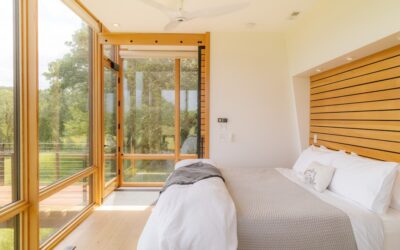
Modern style with vertical wood slats spaced evenly across the wall, often over a dark backing for shadow contrast. Walnut, oak, or stained pine slats are popular.
Cost: $10 to $25 per linear foot for premium materials. Pre-made acoustic slat panels (Akupanel, MUTO) cost $20 to $35 per panel. Best for: home offices, podcast studios, modern living rooms, primary bedroom accent walls.
Style 8: Full Wall Grid (Modern Wainscot)
A grid of square or rectangular panels covering the full lower wall, often two or three rows tall, with thin trim creating the panel divisions. Reads as European apartment style or grand foyer.
Cost: $8 to $16 per linear foot. Best for: foyers, primary bedrooms, dining rooms, stair walls. The most formal of the panel styles.
Materials and Where to Buy
The wall paneling category is dominated by a few material types:
- Primed MDF: The DIY workhorse. Cuts cleanly, takes paint perfectly, $20 to $40 per 4×8 sheet at Home Depot or Lowe’s
- Solid pine: Better than MDF in damp areas (bathrooms), takes stain. $30 to $50 per 4×8 sheet
- PVC trim and panels: Waterproof, ideal for bathrooms and laundry rooms. Azek, Royal, and Versatex are the major brands
- Pre-made panel kits: Wainscot Solutions, House of Antique Hardware, and Etsy makers ship plug-and-play kits at $200 to $600 per room
- Hardwood (oak, maple, walnut): Premium look, stain-grade. $5 to $12 per board foot
DIY Install Method (Picture Frame Style)
This is the easiest panel style to DIY:
- Calculate the chair rail height (32 to 36 inches typical)
- Install or confirm baseboard and chair rail are in place
- Determine spacing for picture frames (usually 16 to 24 inches wide x 18 to 28 inches tall, with 6 to 10 inches of wall between frames)
- Mark frame positions with painters’ tape and a level
- Cut 1 1/8 inch decorative panel molding (chair rail molding works) at 45 degree miters
- Glue and brad-nail the four sides of each frame to the wall
- Caulk all seams, fill nail holes with painter’s putty, sand
- Prime if needed, then paint two coats in matching wall color or contrasting trim color
A 12 by 14 ft room with 8 ft ceilings takes one motivated DIYer about 6 to 10 hours and $80 to $150 in materials.
Color Strategies
- Classic two-tone: White panels below, color above. Always works
- Monochrome (all one color): Modern, sophisticated. Panels and walls in same color, varying sheen
- Dark panels, light wall: Dramatic, grounds the room
- Light panels, dark wall: Trendy 2024-2026, brightens the lower wall while adding moody upper drama
Common Mistakes
- Choosing a height that conflicts with switch plates and outlets (plan around them)
- Using cheap MDF in bathrooms; it swells with humidity. Use PVC or sealed primed MDF only
- Skipping the caulk and putty step; the seams will telegraph forever
- Mismatching wall texture; on a knockdown wall, panels look bolted on. Skim the lower wall smooth first if budget allows
- Going too tall in low-ceiling rooms; chair rail height is safer in 8 ft rooms than full wainscot
Half wall paneling ideas reward DIY effort more than almost any other interior project. A single weekend of work can permanently elevate the architectural feel of a room that started life as cookie-cutter drywall.