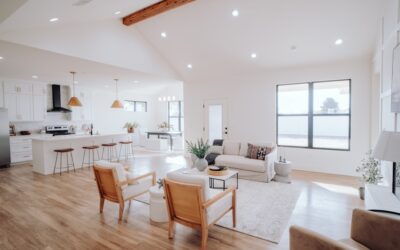
Heart pine flooring is one of the most sought-after hardwoods in America, prized for its rich amber tones, tight grain, and deep historical character. Harvested from the heartwood of old-growth longleaf pine trees that once blanketed the southeastern United States, heart pine tells a story that no modern flooring can replicate. Whether you are restoring a historic home or adding warmth to a new build, this guide covers everything you need to know about heart pine flooring in 2026.
- What Is Heart Pine Flooring?
- Heart Pine Janka Hardness Rating
- Reclaimed vs New Heart Pine Flooring
- Heart Pine Flooring Grades and Styles
- Finishing Heart Pine Floors
- Heart Pine Flooring Pricing in 2026
- Where to Buy Heart Pine Flooring
- Installation Considerations
- Maintenance and Care
- Heart Pine vs Other Hardwood Flooring Options
- Is Heart Pine Flooring Right for You?
What Is Heart Pine Flooring?
Heart pine comes from the dense, resin-rich heartwood of the longleaf pine (Pinus palustris). Unlike the soft, pale sapwood found in modern pine lumber, heartwood develops over centuries as the living sapwood slowly transforms into a harder, darker core. Old-growth longleaf pines took 200 to 500 years to mature, producing heartwood with extraordinary density and beauty.
By the early 1900s, nearly all virgin longleaf pine forests had been logged, making true old-growth heart pine a finite resource. Today, most heart pine flooring comes from reclaimed sources, though limited quantities of new-growth heart pine are available from managed plantations.
Key Characteristics
Heart pine stands apart from other pine species and even many traditional hardwoods. Its color ranges from honey gold to deep reddish amber, darkening beautifully with age and light exposure. The grain pattern is typically tight and straight, with dramatic figure that includes cathedral patterns, occasional knots, and distinctive resin streaks.
One of the most remarkable features is the growth ring density. Old-growth heart pine can have 20 to 30 growth rings per inch, compared to just 4 to 8 rings per inch in modern plantation pine. This density directly translates to hardness and durability.
Heart Pine Janka Hardness Rating
The Janka hardness test measures a wood’s resistance to denting and wear. Heart pine scores between 1,225 and 1,369 on the Janka scale, depending on the age and origin of the wood. This places it firmly in hardwood flooring territory, comparable to or harder than several popular hardwood species.
How Heart Pine Compares
- Heart pine: 1,225-1,369 lbf
- Red oak: 1,290 lbf
- White oak: 1,360 lbf
- American cherry: 950 lbf
- Southern yellow pine (sapwood): 690 lbf
- Eastern white pine: 380 lbf
The comparison with standard southern yellow pine is striking. Heart pine is nearly twice as hard as the sapwood from the same species, which is why it performs so well as flooring despite being technically a softwood species. Many flooring professionals classify it as an honorary hardwood because of its exceptional performance characteristics.
Reclaimed vs New Heart Pine Flooring
Choosing between reclaimed and new heart pine is one of the biggest decisions buyers face. Each has distinct advantages, and the right choice depends on your priorities and budget.
Reclaimed Heart Pine
Reclaimed heart pine is salvaged from old buildings, barns, factories, and warehouses built in the 18th and 19th centuries. Some suppliers also recover submerged logs from rivers where they sank during the timber-floating era.
Advantages of reclaimed heart pine:
- Unmatched character with nail holes, patina, and age marks
- Extremely tight grain from old-growth trees (200+ years old)
- Higher Janka hardness due to centuries of resin saturation
- Environmentally sustainable since no new trees are harvested
- Historical authenticity for restoration projects
- Rich, deep color that only develops with age
Considerations:
- Higher cost, typically $8 to $20 per square foot
- Variable availability and inconsistent board dimensions
- May contain hidden nails or metal fragments
- Requires careful inspection for insect damage or rot
- Lead times can be longer due to sourcing and milling
New-Growth Heart Pine
Some southeastern mills produce heart pine from managed longleaf pine plantations. These trees are typically 80 to 150 years old, which is old enough to develop heartwood but far younger than the original old-growth timber.
Advantages of new-growth heart pine:
- More consistent board widths and lengths
- Lower cost, typically $5 to $12 per square foot
- Easier availability and faster delivery
- No risk of hidden nails or contaminants
- Still offers warm color and reasonable hardness
Considerations:
- Wider growth rings and slightly less density than old-growth
- Less character and patina than reclaimed boards
- Lighter initial color that takes longer to develop depth
Heart Pine Flooring Grades and Styles
Heart pine flooring is available in several grades that determine the amount of character, knots, and color variation in the boards.
Select Grade
Select grade heart pine features minimal knots, consistent color, and straight grain. It offers a clean, refined look suitable for formal living spaces and dining rooms. This is the most expensive grade due to the careful selection process.
Character Grade
Character grade includes more knots, nail holes (in reclaimed boards), and color variation. Many homeowners prefer this grade because it showcases the wood’s history and natural beauty. It works well in rustic, farmhouse, and traditional interiors.
Tavern or Cabin Grade
The most rustic option, tavern grade includes larger knots, more pronounced imperfections, and wider color variation. It creates a dramatic, lived-in appearance and is the most affordable grade.
Plank Widths
Heart pine flooring is commonly available in widths from 3 inches to 12 inches, with wider planks being especially popular for showcasing the wood’s grain. Common options include 5-inch, 7-inch, and 9-inch widths. Wider boards require more stable subfloor conditions and careful acclimation to prevent cupping or gapping.
Finishing Heart Pine Floors
The finish you choose dramatically affects the final appearance of heart pine. Because this wood has natural resin content and distinctive color, it responds differently to finishes than many other species.
Oil-Based Polyurethane
Oil-based polyurethane enhances heart pine’s natural amber tone, adding warmth and depth. It produces a rich, traditional look that deepens over time. Allow 24 to 48 hours of drying time between coats and adequate ventilation during application. Most installations benefit from three coats.
Water-Based Polyurethane
Water-based finishes dry clearer and faster, preserving the wood’s lighter tones rather than adding amber warmth. If you prefer a more natural, less golden appearance, water-based polyurethane is the better choice. It also has lower VOC levels and less odor during application.
Penetrating Oil Finishes
Hardwax oils and penetrating oil finishes soak into the wood rather than sitting on top like polyurethane. They produce a matte, natural look that highlights the grain texture. These finishes are easier to spot-repair but require more frequent maintenance, typically recoating every one to three years in high-traffic areas.
Staining Heart Pine
Heart pine can be stained, but the process requires care. The varying density between heartwood and sapwood can cause uneven stain absorption, leading to a blotchy appearance. If you want to stain heart pine, use a wood conditioner or pre-stain sealer first, and test on a sample board. Many experts recommend embracing heart pine’s natural color rather than staining it.
Heart Pine Flooring Pricing in 2026
Heart pine flooring costs more than standard pine but is competitive with many premium hardwoods. Here is a breakdown of typical pricing:
- Reclaimed heart pine (select grade): $12 to $20 per square foot
- Reclaimed heart pine (character grade): $8 to $15 per square foot
- New-growth heart pine: $5 to $12 per square foot
- Professional installation: $3 to $6 per square foot
- Sanding and finishing: $2 to $5 per square foot
For a 500-square-foot room, expect total costs between $5,500 and $15,500 installed, depending on the grade and source. Reclaimed select-grade heart pine for a large project can easily exceed $20,000 when you factor in installation and finishing.
Where to Buy Heart Pine Flooring
Heart pine is a specialty product, so you will not find it at big-box home improvement stores. Here are the best sources:
Specialty Reclaimed Wood Dealers
Companies like Goodwin Heart Pine, Carlisle Wide Plank Floors, and Pioneer Millworks specialize in reclaimed heart pine. These dealers source, mill, and grade the wood themselves, ensuring quality and authenticity. Many offer samples and custom milling to your specifications.
Regional Sawmills
Smaller sawmills in the southeastern states (Georgia, the Carolinas, Virginia, Florida) sometimes offer heart pine from local demolition projects. Prices may be lower, but quality can vary, and you may need to arrange your own milling and grading.
Online Flooring Retailers
Several online retailers offer both reclaimed and new-growth heart pine with nationwide shipping. Always request samples before committing to a large order, as color and grain can vary significantly between batches.
Architectural Salvage Yards
Architectural salvage companies occasionally stock heart pine boards, beams, and flooring. Prices can be favorable, but selection is unpredictable. Check salvage yards regularly if you are not in a rush.
Installation Considerations
Heart pine flooring is typically installed using nail-down or glue-down methods over a wood subfloor. Floating installation is less common because heart pine is almost always solid wood rather than engineered.
Acclimation
Allow heart pine boards to acclimate in the installation space for at least 7 to 14 days. Stack boards with spacers to allow air circulation on all sides. The wood should reach equilibrium with the room’s temperature and humidity before installation to minimize seasonal movement.
Subfloor Requirements
The subfloor must be clean, dry, flat, and structurally sound. Plywood subfloors of at least 3/4-inch thickness work best. Avoid installing solid heart pine directly over concrete without a proper moisture barrier and sleeper system.
Fastening
Use a pneumatic flooring nailer with cleats or staples appropriate for the board thickness. For boards 3/4-inch thick, 2-inch cleats spaced every 8 to 10 inches along the length work well. Pre-drilling may be necessary near board ends to prevent splitting, especially with dense reclaimed stock.
Maintenance and Care
Heart pine floors are durable but benefit from proper maintenance to preserve their beauty for generations.
- Sweep or vacuum regularly to remove grit and debris that can scratch the finish
- Use felt pads under furniture legs and avoid dragging heavy items
- Maintain indoor humidity between 35% and 55% to minimize seasonal expansion and contraction
- Clean with a damp (not wet) mop and a pH-neutral hardwood floor cleaner
- Recoat polyurethane finishes every 5 to 10 years, or as wear patterns appear
- Place mats at entryways to catch dirt and moisture
One of the best things about heart pine is that it can be sanded and refinished multiple times. Solid heart pine floors in historic homes have been refinished three or four times over a century and still have plenty of wood remaining.
Heart Pine vs Other Hardwood Flooring Options
If you are considering heart pine alongside other hardwood flooring options, here is how it stacks up against common alternatives.
Heart Pine vs White Oak
White oak is the most popular hardwood floor in America. It offers similar hardness (1,360 Janka) and excellent durability. White oak has a cooler, more neutral tone compared to heart pine’s warm amber. Choose heart pine for warmth and character, white oak for versatility and modern aesthetics.
Heart Pine vs Engineered Hardwood
Engineered wood flooring offers better dimensional stability and can be installed over concrete or with radiant heat. However, engineered heart pine options are limited. If moisture or subfloor conditions are a concern, engineered hardwood in oak or hickory may be more practical.
Heart Pine vs Standard Pine
Standard pine flooring from modern lumber is significantly softer (380 to 690 Janka), lighter in color, and more prone to denting. Heart pine is a different product entirely, and the premium price reflects its superior density, color, and character.
Is Heart Pine Flooring Right for You?
Heart pine flooring is ideal for homeowners who value character, warmth, and historical significance. It performs well in living rooms, bedrooms, hallways, and dining rooms. Avoid installing it in high-moisture areas like bathrooms or basements without proper precautions.
If you love the idea of walking on wood that grew for centuries before being milled, and you appreciate a floor that will only become more beautiful with age, heart pine is one of the finest choices available. With proper care, a heart pine floor installed today will last well beyond your lifetime, becoming a treasured feature of your home for generations to come.
Prefer to explore on your own?
See how new flooring looks in your actual room in seconds — free, no signup.
Try the free Floor Studio →