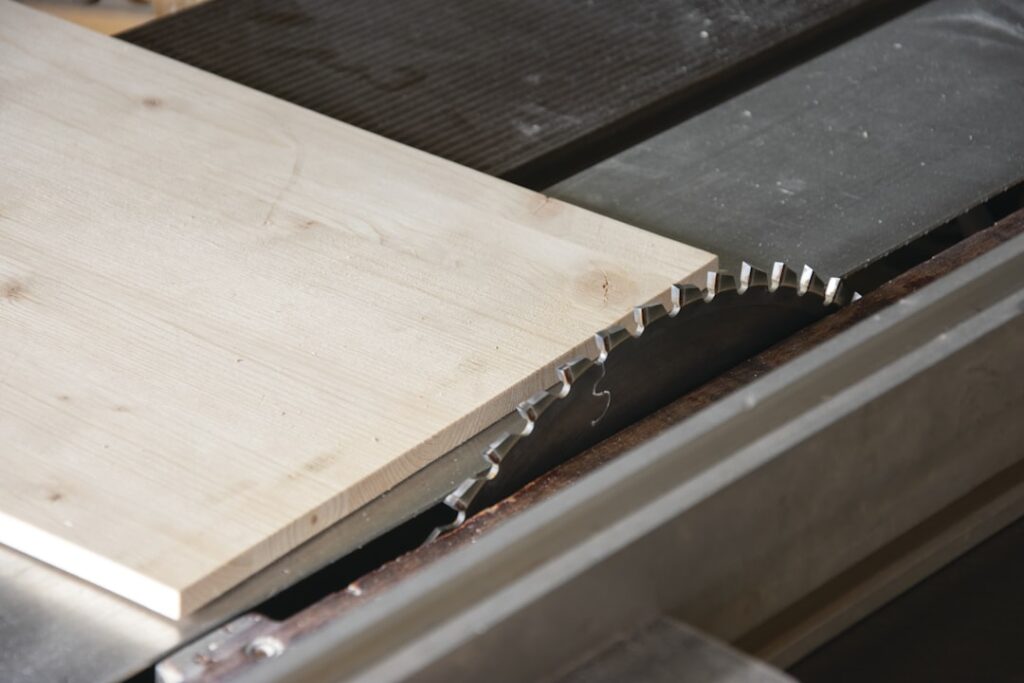
A Husky tile saw lands squarely in the DIY-and-weekend-warrior lane, and for a lot of homeowners that is exactly the right lane. Sold through Home Depot as the store’s value-focused tool brand, Husky wet saws let you cut ceramic and porcelain cleanly for a backsplash, a bathroom floor, or a small tiling job without the price of a professional-grade machine. The key is understanding what you are getting for the money and where a Husky saw runs out of road. Here is the honest breakdown.
Part of our Tile & Grout guide — explore the full guide →
Where Husky Fits in the Lineup
Husky is Home Depot’s private-label tool brand aimed at value and DIY use, sitting below professional names like DeWalt, MK Diamond, and iQ in both price and heavy-duty capability. That positioning is not an insult, it is a match. Most homeowners tiling one room do not need a jobsite saw built to cut all day every day for years. They need a reliable, affordable wet saw that makes accurate cuts for a weekend project, and that is precisely the slot Husky fills.
How a Wet Tile Saw Works
Whatever the brand, a wet tile saw uses a diamond-coated blade cooled by water to grind through tile without chipping or overheating. The water tray keeps the blade wet, cuts dust dramatically, and produces cleaner edges than a snap cutter or an angle grinder. A Husky wet saw follows the same principle with a water reservoir, a sliding table or fixed table depending on the model, and a rip fence and miter guide for straight and angled cuts.
Features to Look At
When comparing Husky models and sizing one to your job, weigh a few things.
- Blade size: Common 7-inch blades handle most wall and floor tile; cut depth limits how thick a tile you can slice in one pass.
- Table type: A sliding table improves accuracy on long cuts versus pushing tile across a fixed table.
- Rip capacity: How wide a tile the fence lets you cut, which matters for large-format pieces.
- Miter and bevel guides: For 45-degree cuts on outside corners and trim.
- Water management: Trays and splash guards that keep the mess and the cleanup manageable.
Honest Strengths and Limits
Let me be straight about the trade-offs. On the plus side, a Husky tile saw is affordable, widely available, and fully capable of clean, accurate cuts in standard ceramic and porcelain for a homeowner project. For a backsplash or a bathroom floor, it does everything most people need. On the other hand, the motors, bearings, and tables are built to a price, so they are not made for continuous professional use, very thick porcelain pavers, or dense natural stone all day long. Fit and finish is functional rather than premium. If you tile for a living, step up to a pro brand; if you tile occasionally, Husky is sensible.
- Best for: DIY backsplashes, bathroom and small-room floors, occasional projects.
- Not ideal for: Daily professional use, thick stone pavers, high-volume commercial jobs.
Getting Clean Cuts Every Time
The saw is only half the equation, technique is the rest. Keep the water tray filled so the blade stays cool and cuts clean. Feed tile slowly and let the blade do the work rather than forcing it, which causes chipping and strains the motor. Use a quality diamond blade matched to your material, since porcelain and stone want different blades. And for that chip-free showroom edge, score the glazed face on the first pass and finish from the back. Always wear eye protection and keep the machine on a stable, level surface.
Tabletop vs Larger Stand Models
Husky and similar value brands sell wet saws in a couple of formats, and the right one depends on your tile size. A compact tabletop wet saw is light, easy to store, and perfect for backsplashes and small bathroom tile, where cut length is modest. Larger saws with a sliding tray or an included stand handle longer cuts and bigger tiles more comfortably, which matters if you are working with 12×24 floor tile or long plank-look porcelain. For a one-room weekend project, the tabletop model is usually plenty; for a whole floor of large-format tile, the extra rip capacity and stability of a bigger saw pays off in cleaner, straighter cuts.
Blades Matter More Than the Saw
Here is a truth that surprises many first-time tilers: the blade often affects cut quality more than the machine. A budget saw with a premium diamond blade cuts cleaner than an expensive saw with a worn or wrong blade. Match the blade to your material, a general-purpose blade for ceramic, a finer continuous-rim blade for porcelain, and a dedicated blade for dense natural stone. Blades wear out, so a fresh, quality blade is the single best upgrade you can make to a Husky saw. Budget $25 to $60 for a good diamond blade and you will dramatically improve your results.
Safety and Setup
Wet saws are safer than dry cutting because water suppresses dust, but they still spin a sharp blade near your hands. Set the saw on a stable, level surface and keep the water tray filled so the blade stays cool. Wear safety glasses and hearing protection, keep your fingers well clear of the blade path, and use the fence and a push method rather than freehanding cuts. Work in a garage or outdoors where the water spray will not damage anything, and unplug the saw before changing blades. Respect the tool and a Husky saw will serve a homeowner project safely and cleanly.
Buy vs Rent for a One-Time Job
If you only plan to tile a single room and never pick up a saw again, weigh buying against renting. Home centers rent wet tile saws by the day, which can make sense for a quick one-and-done job. But an affordable Husky saw often costs not much more than a few days of rental, and owning it means you can work at your own pace over a weekend without watching the clock or making a return trip. For most homeowners tackling a backsplash or a bathroom, buying an entry-level saw and reselling it later, or keeping it for future projects, tends to be the better value. Rent only if the job is truly a one-day affair and storage space is tight.
Is a Husky Tile Saw Right for Your Project?
A Husky tile saw is a smart buy when you want accurate, affordable tile cuts for a DIY or occasional project and you do not need professional-grade endurance. Match the blade size and table type to your tile, feed slowly with plenty of water, and it will handle a backsplash or bathroom floor with ease. Save the premium pro saws for daily use and heavy stone, and let Husky cover the weekend job it was built for.
Prefer to explore on your own?
See how new flooring looks in your actual room in seconds — free, no signup.
Try the free Floor Studio →