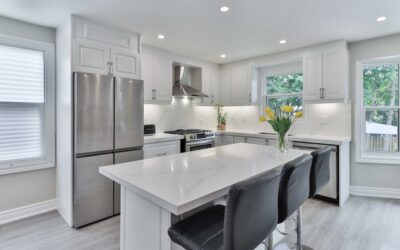
If bright white feels too cold and cream feels too yellow, there is a shade that sits comfortably between them and flatters almost any kitchen. Ivory kitchen cabinets deliver a soft, warm off-white with subtle undertones that read as elegant rather than sterile, giving you the light, airy feel of white without the clinical edge. Ivory has quietly anchored traditional and transitional kitchens for decades because it is genuinely timeless, hiding smudges better than stark white and pairing effortlessly with warm woods, natural stone, and both brass and bronze hardware. If you want a kitchen that feels inviting and holds its value, ivory deserves a serious look.
Part of our Kitchen Remodeling guide — explore the full guide →
Ivory vs. White vs. Cream
The three shades get confused constantly, so it helps to draw the lines clearly. Pure white is crisp and cool, reflecting light hard and sometimes reading blue or gray in dim rooms. Cream leans distinctly yellow or buttery and feels the warmest of the three. Ivory lives in the middle: an off-white with a soft warm undertone that is far gentler than pure white but not as yellow as cream.
That middle position is exactly why ivory is so versatile. It borrows the brightness of white and the coziness of cream without fully committing to either, which lets it adapt to lighting and accent colors that would make a starker white look harsh or a heavy cream look dated.
Why Ivory Endures
Ivory has stayed relevant through decades of changing trends, and a few practical reasons explain its staying power:
- The warm undertone masks fingerprints, dust, and minor scuffs better than bright white.
- It flatters warm and cool accents alike, so you are not boxed into one design direction.
- It creates a soft, welcoming atmosphere that feels calmer than a high-contrast kitchen.
- It has broad resale appeal, since neutral kitchens photograph well and offend no one.
Where a trend color risks looking tired in a few years, ivory is a low-risk, classic choice, which is why it remains a staple in traditional and transitional homes across the country.
Countertops That Complement Ivory
The countertop is the biggest decision you will pair with ivory cabinets, and the right slab pulls the whole room together. Warm-toned surfaces harmonize while a well-chosen contrast adds drama.
- Warm granite in browns, golds, and creams blends naturally and reinforces the traditional feel.
- Marble or marble-look quartz with soft warm veining keeps the palette light and elegant.
- Butcher block or wood counters lean into the warmth for a farmhouse or cottage look.
- Darker counters like leathered black granite or a deep quartz create striking contrast against the pale cabinets.
Steer clear of very cool gray quartz with blue undertones, which can make ivory cabinets look dingy or slightly yellow by comparison. When in doubt, bring a cabinet door sample to the stone yard and view slabs side by side in natural light.
Hardware, Backsplash, and Flooring
Ivory is a generous backdrop that lets your finishes shine. For hardware, oil-rubbed bronze and antique brass amplify the warmth for a traditional look, while brushed nickel keeps things neutral and matte black adds crisp, modern contrast. On the backsplash, a warm-toned subway tile, a travertine or natural stone mosaic, or a soft beige tumbled tile all sit beautifully against ivory.
Flooring is where you set the overall temperature of the room. Warm hardwood in oak, hickory, or a honeyed walnut is the classic partner and reinforces the cozy feel. Warm-toned tile and wood-look luxury vinyl in medium browns also work well. As with the counters, avoid strongly cool gray floors, which can fight the cabinet warmth and leave the space feeling disjointed.
What Ivory Cabinets Cost
Ivory is a finish color, so the price tracks the cabinet construction rather than the shade itself. New semi-custom cabinets in an ivory painted or stained finish typically run $200 to $600 per linear foot installed, with custom cabinetry higher.
If you already have solid cabinet boxes, repainting them ivory is the budget-smart move at $3,000 to $8,000 with a pro, or $300 to $700 in materials for a DIY weekend project. Refacing with new ivory doors over existing boxes lands between those at $5,000 to $12,000. Because ivory is such a common, in-demand color, nearly every cabinet manufacturer and paint line offers a version, so availability is never a problem.
Keeping Ivory Cabinets Clean
Ivory hides everyday grime better than bright white, but light cabinets near a stove and sink still need regular care to stay looking their best. A steady routine does the job:
- Wipe high-touch spots around handles and the range weekly with a soft cloth and mild dish soap in warm water.
- Blot grease splatters and colorful spills like tomato sauce or turmeric promptly, since they can stain a warm finish.
- Avoid abrasive scrubbers, bleach, and ammonia cleaners that can dull or yellow the surface over time.
- Dry doors after cleaning to prevent water marks along the lower edges.
Keep a small jar of the matching paint or a touch-up marker on hand for the inevitable corner dings. Quick touch-ups keep an ivory kitchen looking maintained rather than worn.
One extra habit protects the finish near the biggest trouble spots. The cabinet doors flanking the range and the ones beneath the sink take the most grease and moisture, so give those a slightly more frequent wipe-down. A thin coat of a quality furniture wax on the highest-use doors, applied once or twice a year, adds a sacrificial layer that makes routine cleaning easier and shields the paint from daily wear.
Do Ivory Cabinets Feel Dated?
The honest answer is that heavy, yellow-leaning cream from an earlier era can look dated, but true ivory, a soft, balanced off-white, is about as timeless as cabinets get. Its neutrality is its insurance policy. Even if you refresh your countertops, backsplash, or hardware down the road, the ivory base will still read as classic and intentional. That flexibility is precisely why designers keep specifying it for clients who plan to stay in their homes for the long haul.
Two-Tone Kitchens with Ivory
Ivory does not have to carry the whole room alone. Some of the most inviting kitchens pair ivory perimeter cabinets with a contrasting island or lower cabinets, a two-tone approach that adds depth while keeping the space light. Because ivory is a warm neutral, it partners beautifully with a wide range of second colors without clashing.
Combinations that work especially well include:
- Ivory perimeter with a warm wood island in oak or walnut, reinforcing the cozy, traditional feel.
- Ivory uppers with sage green or muted blue lowers for a soft, current cottage look.
- Ivory cabinets with a deep, moody island in charcoal or navy for high-contrast drama.
- Ivory with a black island and warm metal hardware for a classic, timeless pairing.
The trick with any two-tone plan is to let ivory dominate and use the second color as an accent, typically on the island or the lower cabinets, so the room stays bright and the contrast feels intentional. Tie the two together with a consistent hardware finish and a countertop that bridges both tones, and the result reads as a designed whole rather than two competing ideas.
The Bottom Line
Ivory kitchen cabinets give you the brightness of white and the warmth of cream in one balanced, timeless shade that flatters nearly every style and lighting condition. Pair them with warm granite or soft marble-look counters, oil-rubbed bronze or brushed nickel hardware, and warm hardwood floors for a cohesive, inviting kitchen. Whether you order new cabinets or repaint what you have, ivory is a low-risk, high-appeal choice that resists trends and hides everyday wear. Keep the accents warm, clean gently, and keep a touch-up jar handy, and your ivory kitchen will stay elegant for years to come.