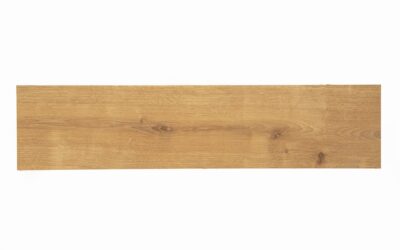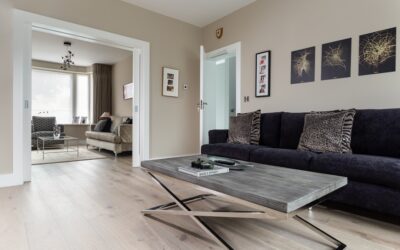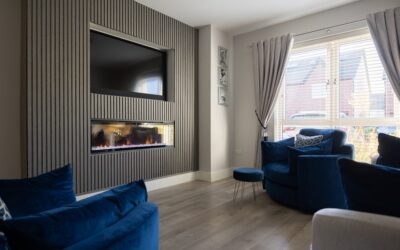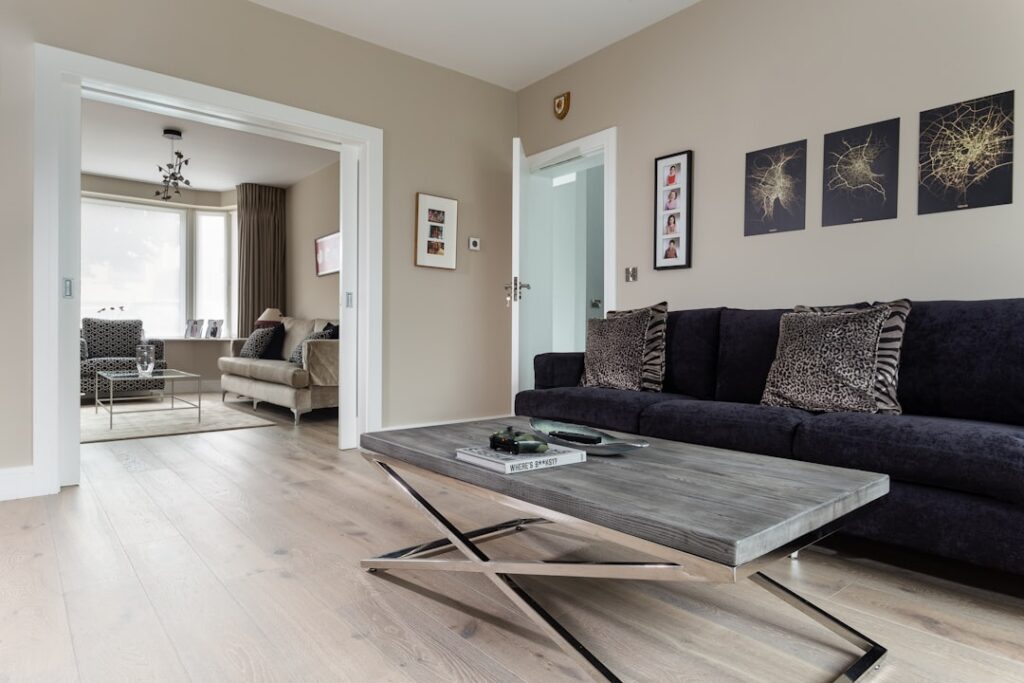
Walk into a modern home and you may not be able to tell the difference between real oak and a good laminate until you crouch down and knock on it. Laminate plank flooring has come a long way from the shiny, hollow-sounding product of the early 2000s. Today’s planks use high-resolution printed layers, embossed textures that line up with the grain, and click-lock edges that a homeowner can install over a weekend. If you want the look of hardwood without the hardwood price, this is the category to understand before you shop.
What Laminate Plank Flooring Is Made Of
Laminate plank flooring is a rigid, multi-layer product built around a dense fiberboard core. From bottom to top, each plank has four layers: a backing layer for stability and moisture resistance, an HDF (high-density fiberboard) core that gives the plank its strength, a printed decorative layer that carries the wood or stone image, and a clear melamine wear layer that takes the daily abuse.
That wear layer is what separates laminate from a printed veneer. It is a tough, aluminum-oxide-infused coating that resists scratches, scuffs, and fading. Because the image is a photograph, manufacturers can mimic anything from rustic hickory to gray-washed pine, and the best products vary the pattern across many unique plank faces so the floor does not repeat.
Texture is the other half of realism. Budget laminate has a smooth or lightly textured surface that catches the light unnaturally, while premium planks use embossed-in-register texture, where the surface bumps and grooves align exactly with the printed grain lines. Run your hand across a good EIR plank and you feel the wood pores under your fingers. Beveled or micro-beveled edges add to the illusion by mimicking the small gaps between real wood boards, so the seams read as intentional plank divisions rather than a printed sheet.
The Real Advantages
Laminate earns its popularity honestly. Here is where it genuinely shines:
- Price: $1 to $4 per square foot for the material, a fraction of the $6 to $15 you pay for solid hardwood.
- Scratch resistance: The aluminum-oxide wear layer shrugs off dog claws and dropped toys far better than real wood.
- DIY-friendly: The click-lock, floating installation needs no glue or nails and floats over most existing subfloors.
- Low maintenance: No refinishing, no waxing, just sweep and damp-mop.
- Realistic looks: Embossed-in-register texture aligns the surface feel with the printed grain.
The Honest Drawbacks
No floor is perfect, and I will not pretend laminate is. Its biggest weakness is water. Standard laminate has an HDF core that swells and delaminates if water sits in the seams, so a burst pipe or a repeatedly wet mop can ruin a plank permanently. Water-resistant laminates exist, but even those are rated to survive spills wiped up promptly, not standing water.
Laminate also cannot be sanded and refinished. Once the wear layer is compromised, the only fix is replacing the plank or the floor. It can sound hollow or clacky underfoot without a quality underlayment, and while it looks like wood, it does not have the warmth or resale cachet of the real thing. For many buyers those trade-offs are worth the savings, but you should know them going in.
Reading AC Ratings and Thickness
Two specs tell you almost everything about durability. The AC rating (Abrasion Class) grades how much wear a laminate can take:
- AC3: Suitable for all residential areas including hallways. Fine for most homes.
- AC4: Handles light commercial traffic; a smart choice for busy families and rental units.
- AC5: Built for heavy commercial use; overkill for a home but nearly indestructible.
Thickness ranges from 7mm to 12mm. Thicker planks feel more solid, deaden sound better, and hide minor subfloor imperfections. For a comfortable, quiet floor I steer homeowners toward 10mm or 12mm with an attached pad or a separate underlayment. An 8mm AC4 plank is a solid value sweet spot.
Where to Use It and Where Not To
Laminate is a great fit for living rooms, bedrooms, hallways, dining rooms, and home offices, anywhere with normal foot traffic and no standing water. It performs beautifully in high-traffic zones because of that hard wear layer.
Be cautious in bathrooms, laundry rooms, mudrooms, and basements. Standard laminate does not belong where water pools or where humidity swings hard. If you love the look in those spaces, choose a specifically waterproof laminate or step over to luxury vinyl plank, which has a waterproof core designed for wet areas. In a below-grade basement, moisture from the slab can also be an issue, so test for vapor and use the right underlayment.
Installation Basics and Cost
The floating installation is why so many homeowners tackle laminate themselves. Planks click together edge to edge and end to end, resting on a foam underlayment without fastening to the subfloor. Leave a 1/4 to 3/8 inch expansion gap around the entire perimeter, hidden later by baseboard or quarter round, because laminate expands and contracts with temperature and humidity.
Let the boxes acclimate in the room for 48 hours before you start. A basic tool kit, a tapping block, a pull bar, spacers, and a laminate cutter or miter saw, is all you need. On cost, expect these ballpark figures installed:
- DIY material only: $1 to $4 per square foot
- Professional installation: another $2 to $5 per square foot in labor
- Underlayment: $0.30 to $0.80 per square foot if not attached
A typical 300 square foot room runs roughly $600 to $1,200 in materials for a DIY job.
Laminate Versus Vinyl Plank and Engineered Wood
Shoppers almost always cross-shop laminate against luxury vinyl plank and engineered hardwood, so know the distinctions. Laminate’s HDF core makes it feel firmer and more wood-like underfoot than LVP, and its printed layer can look more detailed, but vinyl wins decisively on water because its plastic core is waterproof. If a room sees moisture, LVP is the safer bet; for dry living spaces, laminate often looks and feels more premium at a similar price.
Engineered hardwood is a different tier. It has a real wood veneer over a plywood core, can sometimes be lightly refinished, and carries the resale appeal of genuine wood, but it costs $4 to $10 per square foot and scratches more easily than laminate’s aluminum-oxide surface. Laminate is the value and durability play; engineered wood is the authenticity play. Choose based on whether you prize the real-wood feel or the tougher, cheaper surface.
Underlayment and Subfloor Prep
The floor beneath your laminate matters as much as the planks. A flat subfloor is non-negotiable: most manufacturers require it flat within 3/16 inch over a 10-foot span. High spots must be sanded down and low spots filled with leveling compound, or the click joints will flex, gap, and eventually break underfoot.
Choose the underlayment to match the situation. Standard foam adds cushion and sound deadening over a wood subfloor. Over concrete, use an underlayment with a built-in vapor barrier, or lay 6-mil poly first, to stop slab moisture from reaching the HDF core. Combination underlayments with an attached vapor barrier and acoustic rating run $0.40 to $0.80 per square foot and are worth it for the quieter, more solid feel they deliver.
How to Shop Smart
When you are standing in the store, prioritize in this order: AC rating for durability, thickness for feel and sound, water-resistance rating if the room needs it, and finally the look. Bring home samples and view them in your own lighting, because store fluorescents flatten the color. Check the plank count per box against the room square footage and add 10 percent for cuts and mistakes.
Care is refreshingly simple once it is down. Sweep or vacuum with a hard-floor setting to keep grit from dulling the wear layer, and damp-mop with a barely wet microfiber, never a soaking wet mop or a steam cleaner, since forcing moisture into the seams is the surest way to ruin laminate. Wipe spills promptly, use felt pads under furniture legs, and place mats at entries to catch tracked-in sand. Follow those habits and the surface stays looking new far longer than most owners expect.
Good laminate plank flooring delivers a convincing wood look, real durability, and DIY installation at a price hardwood cannot touch. Respect its one weakness, standing water, put it in the right rooms, and it will serve a busy household well for 15 to 25 years.
Prefer to explore on your own?
See how new flooring looks in your actual room in seconds — free, no signup.
Try the free Floor Studio →