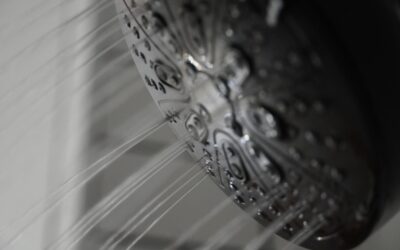
If you have ever fumbled to slide a handheld shower wand back into a slippery cradle, you will appreciate the appeal of a magnetic design. A magnetic shower head uses a magnet in the wand and the dock so the sprayer snaps home the instant it gets close, no aiming required. This guide explains how the magnetic dock works, the real pros and cons, flow ratings to look for, installation, and how to choose a good one.
Part of our Bathroom Remodeling & Flooring guide — explore the full guide →
- What a Magnetic Shower Head Is
- How the Magnetic Dock Works
- The Real Advantages
- The Drawbacks to Weigh
- Understanding Flow Rate and GPM
- Spray Settings and Features to Look For
- How to Choose a Good One
- Installation Step by Step
- Prices and Value
- Who Benefits Most From a Magnetic Dock
- Maintenance and Cleaning
- Troubleshooting Common Issues
- Common Mistakes to Avoid
- Frequently Asked Questions
- Magnetic Dock vs. Traditional Cradle Holders
- Compatibility With Your Existing Shower
- Final Thoughts
What a Magnetic Shower Head Is
A magnetic shower head is a handheld sprayer combined with a wall or slide-bar bracket that holds the wand using magnets rather than a friction cradle or a clip. Embedded magnets in the back of the handheld and in the holder pull toward each other, so when you bring the wand near the dock it grabs and seats itself automatically. Many popular fixed-plus-handheld combo units now include this magnetic docking on the handheld portion.
How the Magnetic Dock Works
The mechanism is simple and reliable because it has no moving parts. A magnet is set into the docking base mounted on the wall or slide bar, and a matching magnet or steel plate is built into the handheld wand’s body. As you move the wand within an inch or two of the dock, the magnetic field pulls the two together and aligns them, snapping the sprayer into its resting position and often shaping the spray to point downward or forward automatically.
Because there is no clip to break and no bracket to aim into, the connection is fast and one-handed, which is the whole point of the design.
The Real Advantages
Magnetic docking solves a small but genuinely annoying everyday problem, and it brings a few extra benefits.
- One-handed re-docking: the wand snaps back without careful aiming, useful when your eyes are closed or full of shampoo.
- No fragile clips: nothing to crack or wear out the way plastic cradle tabs do.
- Accessibility: easier for children, older adults, and anyone with limited dexterity or strength.
- Clean look: the dock is usually a simple, low-profile base.
- Convenience for cleaning: grab and release the wand quickly when rinsing the shower.
The Drawbacks to Weigh
No design is perfect, and the magnet approach has trade-offs worth understanding before you buy.
- Hold strength varies: a cheap unit with a weak magnet can let a heavy wand droop or slip, especially with a full head of water pressure pulsing through the hose.
- Weight matters: larger metal handhelds may overwhelm an undersized magnet.
- Mineral buildup: in hard-water areas, scale on the contact faces can reduce the effective grip over time.
- Alignment quirks: some magnetic docks only hold well in one orientation.
Understanding Flow Rate and GPM
Flow rate is measured in gallons per minute (GPM), and U.S. federal law caps shower heads at 2.5 GPM at 80 PSI. Many water-saving models run 1.75 or 2.0 GPM, and California and a few other states mandate 1.8 GPM or lower. A magnetic dock has nothing to do with flow, so evaluate the spray performance separately.
- 2.5 GPM: the federal maximum, the most drenching feel.
- 2.0 GPM: a good balance of pressure and water savings.
- 1.8 GPM or lower: required in some states and best for water conservation.
If you live where the water pressure is low, choose a head that performs well at lower PSI rather than one that only feels strong on high pressure.
Spray Settings and Features to Look For
Beyond the magnet, the same features that make any handheld good apply here. Look for multiple spray modes, a pause or trickle button to save water while lathering, a rub-clean nozzle face that wipes away mineral deposits, and a hose length of at least 5 to 6 feet for comfortable reach. Combo units that pair a large fixed rain head with a magnetic handheld give you the best of both worlds.
How to Choose a Good One
Not all magnetic heads are equal, so shop with these priorities in mind.
- Prioritize a strong magnet rated to hold the wand securely, ideally verified by reviews mentioning it does not slip.
- Match the flow rate to your local regulations and your pressure situation.
- Pick a durable finish, such as brushed nickel or chrome over solid brass fittings, that resists corrosion.
- Confirm the hose length and material; a stainless-braided hose lasts longer than plastic.
- Check that the mounting bracket fits a standard 1/2 inch shower arm thread.
Installation Step by Step
Installing a magnetic shower head is a straightforward do-it-yourself job that takes about 15 minutes and no special tools beyond an adjustable wrench.
- Unscrew the old shower head from the shower arm by turning counterclockwise.
- Clean the old plumber’s tape off the arm threads.
- Wrap the threads clockwise with two or three layers of fresh PTFE plumber’s tape.
- Hand-thread the new bracket or head onto the arm, then snug it with a wrench, protecting the finish with a cloth.
- Attach the hose and handheld wand to the bracket outlet.
- Run the water and check every joint for drips, adding more tape if any leak.
Avoid overtightening, which can crack plastic fittings; snug plus a slight turn is usually enough.
Prices and Value
Magnetic handheld shower heads and combos are widely affordable. Basic single-wand magnetic models start around $25 to $40, mid-range combo units with a rain head run $40 to $90, and premium all-metal sets with solid-brass fittings reach $100 to $180. For most bathrooms, a well-reviewed $50 to $80 combo hits the sweet spot of performance and durability.
When comparing value, weigh the magnet quality against the finish and hose more than the number of spray settings. A unit with eight spray modes but a weak magnet and a flimsy plastic hose will disappoint faster than a simpler model built with a strong magnet and a braided stainless hose. Spend the extra dollars where they affect daily reliability.
Who Benefits Most From a Magnetic Dock
While anyone appreciates the convenience, a magnetic shower head is especially valuable in a few situations. Households with young children benefit because kids can re-dock the wand without struggling to aim into a cradle. Aging-in-place and accessible bathrooms gain a genuinely easier one-handed operation. And anyone who rinses the shower walls or bathes a pet frequently will love how fast the wand releases and returns. If none of those apply, the magnet is still a pleasant upgrade, just a smaller one.
Maintenance and Cleaning
Hard water is the main enemy of any shower head, magnetic or not. Once a month or so, wipe the rubber nozzle nibs to dislodge scale, and periodically soak the head in a bag of white vinegar for 30 to 60 minutes to dissolve mineral deposits, then rinse. Keep the magnet contact faces clean so scale does not weaken the grip. Do not use abrasive cleaners on the finish.
Troubleshooting Common Issues
- Wand slips out of the dock: clean the magnet faces of scale, and if it persists the magnet may simply be too weak for the wand’s weight.
- Weak or uneven spray: soak the head in vinegar to clear clogged nozzles.
- Leak at the arm: remove, re-tape the threads, and reinstall.
- Leak at the hose connection: check that the rubber washer is seated and not pinched.
Common Mistakes to Avoid
- Buying the cheapest unit and getting a magnet too weak to hold the wand.
- Skipping plumber’s tape and creating a slow leak at the shower arm.
- Overtightening plastic threads until they crack.
- Ignoring your state’s flow-rate rules when ordering.
- Letting hard-water scale build up until it clogs nozzles and weakens the magnet.
Frequently Asked Questions
Will the magnet hold a heavy metal wand? A quality unit with a strong magnet will, but read reviews for your specific model, since cheap magnets struggle. Does the magnet affect water flow? No, the magnet only docks the wand; flow is controlled by the nozzle and GPM rating. Can I install it myself? Yes, it threads onto a standard shower arm in about 15 minutes with plumber’s tape and a wrench.
Magnetic Dock vs. Traditional Cradle Holders
It helps to compare the magnetic dock directly against the two older holding methods it competes with. A friction cradle relies on a plastic sleeve gripping the wand’s neck, which loosens as the plastic ages and the wand starts sliding out under water pressure within a couple of years. A pivoting clip-and-cup holder works but demands two hands and careful aim to seat the wand. The magnet sidesteps both weaknesses. A well-made magnet rated around 5 to 10 pounds of pull force holds a typical 12 to 16 ounce wand with a wide safety margin, even with 60 PSI of water surging through the hose. The trade-off is that the magnet adds a few dollars to the manufacturing cost and, on cheap units, may be undersized. When a listing does not state the magnet strength, treat that silence as a warning sign and lean on reviews instead.
Compatibility With Your Existing Shower
Before buying, confirm three fit points. First, the mounting bracket must thread onto a standard 1/2 inch NPT shower arm, which covers nearly every US shower. Second, if you plan to mount the dock on a slide bar rather than the arm, measure the bar diameter, commonly 1 inch, so the bracket clamps securely. Third, check that your shower arm projects far enough from the wall, at least 4 to 6 inches, so the docked wand does not press against the tile. Most magnetic combos are drop-in replacements requiring no plumbing changes, but a very short or recessed arm may need a short extension nipple, a $6 to $12 part, to give the wand and dock room to sit cleanly.
Final Thoughts
A magnetic shower head takes the everyday frustration out of re-docking a handheld wand, snapping it back into place with one wet hand and no aiming. Choose a model with a genuinely strong magnet, match the GPM to your local rules and water pressure, use fresh plumber’s tape on install, and keep scale off the nozzles and magnet faces. Do that, and you get a convenient, accessible sprayer that simply works, day after day.