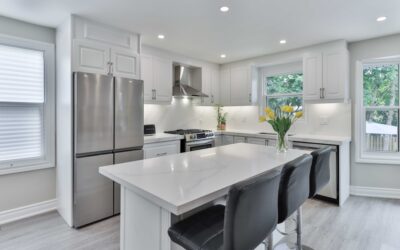
Modern flooring has moved far beyond the beige carpets and narrow oak strips that dominated homes for decades. Today’s contemporary floor designs emphasize clean lines, natural materials, wide planks, matte finishes, and seamless transitions between rooms. Whether you are building a new home or renovating an existing one, understanding what defines modern flooring helps you make choices that look current now and will age gracefully over the coming decade.
This guide covers the most significant modern flooring trends, explains the design principles behind them, and helps you choose materials that create the contemporary look you want at a price point that works for your budget.
- What Defines Modern Flooring
- Wide-Plank White Oak
- Large-Format Porcelain Tile
- Polished Concrete
- Luxury Vinyl Plank in Modern Homes
- Matte Finishes: The Modern Standard
- Light Colors and Pale Tones
- Seamless Room Transitions
- Sustainable and Eco-Friendly Materials
- Terrazzo: A Modern Revival
- Choosing Modern Flooring for Your Home
What Defines Modern Flooring
Modern flooring is defined by several design principles that distinguish it from traditional or rustic styles. Understanding these principles helps you evaluate whether a specific product will achieve the look you want.
Simplicity and clean lines. Modern design eliminates unnecessary ornamentation. In flooring, this means fewer grout lines, minimal texture variation, and simple installation patterns. The floor serves as a clean backdrop rather than a decorative focal point.
Natural materials or convincing replicas. Contemporary homes favor materials that look and feel authentic. Real hardwood, natural stone, and polished concrete are the gold standard. When budget or practicality requires alternatives, modern homeowners choose luxury vinyl or porcelain tile that closely replicates natural materials rather than products that look obviously synthetic.
Matte and satin finishes. The high-gloss finishes popular in previous decades have given way to matte, satin, and wire-brushed textures that look more natural and show fewer scratches, footprints, and dust. This single change has done more to modernize flooring aesthetics than almost any other trend.
Light and neutral tones. While dark floors remain popular in some contexts, the dominant modern trend favors light colors: white oak, pale gray, light beige, and bleached or whitewashed finishes. Light floors make rooms feel larger and brighter, which aligns with the open floor plans common in contemporary architecture.
Seamless transitions. Modern homes minimize the visual breaks between rooms. Running the same flooring material throughout connected spaces without transition strips creates a sense of flow and makes smaller homes feel more spacious.
Wide-Plank White Oak
If one flooring material defines the modern aesthetic more than any other, it is wide-plank white oak. White oak’s subtle grain pattern, warm neutral tone, and ability to accept a wide range of stain colors make it extraordinarily versatile. Planks measuring 7 to 9 inches wide (compared to the traditional 2.25 to 3.25 inches) create a cleaner look with fewer seam lines.
White oak is also one of the most durable domestic hardwood species, rating 1,360 on the Janka hardness scale. It resists denting better than red oak, maple, or most imported species in the same price range. Its tight grain structure also makes it more water-resistant than red oak, which is why it has largely replaced red oak as the default hardwood choice in new construction.
Popular modern finishes for white oak include natural (clear coat with no stain), light gray wash, matte polyurethane, and hardwax oil. Hardwax oil finishes are particularly popular in modern design because they penetrate the wood rather than sitting on top, creating a completely matte appearance that looks and feels like unfinished wood while still providing protection.
Explore more options in our hardwood flooring guide and engineered wood flooring guide.
Large-Format Porcelain Tile
Large-format porcelain tiles measuring 24×24 inches, 24×48 inches, or even 48×48 inches create a sleek, minimal surface with very few grout lines. This format is especially popular in modern bathrooms, kitchens, and open-plan living areas where a seamless appearance is desired.
Modern porcelain tiles are available in remarkably realistic stone, concrete, and wood-look finishes. Digital printing technology has advanced to the point where porcelain tiles can reproduce the veining of Calacatta marble or the grain of reclaimed oak with stunning accuracy. The advantage over natural materials is consistent sizing, lower cost, easier maintenance, and superior durability.
Rectified (precision-cut) edges allow large-format tiles to be installed with minimal grout lines, sometimes as narrow as 1/16 inch. This creates the near-seamless look that defines modern tile installations. Using grout that matches the tile color further minimizes visible grout lines.
Large-format tiles do require a perfectly flat substrate and experienced installers. Lippage (where one tile edge sits higher than the adjacent tile) is far more noticeable with large tiles and is the most common installation problem. Budget for proper substrate preparation to avoid this issue. Learn more in our tile flooring guide.
Polished Concrete
Polished concrete has moved from commercial and industrial spaces into high-end residential design. Its minimalist appearance, thermal mass properties (excellent with radiant heating), and extreme durability make it a favorite among architects designing modern homes.
The polished concrete process involves grinding the concrete surface with progressively finer diamond abrasives until it achieves the desired level of sheen, from a low satin to a high-gloss mirror finish. Integral color, acid stains, or dyes can be added to create colors ranging from natural gray to rich brown, terra cotta, or even blue.
Modern polished concrete in residential settings typically features a matte or satin finish rather than the high-gloss look common in retail spaces. This lower sheen level feels more residential and shows less wear over time. Cost ranges from $3 to $15 per square foot depending on the level of finish and any decorative treatments.
Our concrete flooring guide covers the full range of concrete floor options and finishes.
Luxury Vinyl Plank in Modern Homes
Luxury vinyl plank has earned its place in modern homes not because it is the most prestigious material but because it solves practical problems that natural materials cannot. LVP is 100% waterproof, dimensionally stable, comfortable underfoot, quieter than tile or hardwood, and available in convincing wood and stone patterns that satisfy modern aesthetic requirements.
For modern interiors, choose LVP products with matte or embossed-in-register (EIR) textures that replicate the feel of real wood grain. Avoid products with high-gloss surfaces or repetitive patterns, as these look obviously synthetic and undermine the natural aesthetic that defines modern design.
Wide-plank LVP (7 to 9 inches wide) in light oak, gray wash, or white-washed finishes complements modern interiors beautifully. Products with beveled edges create a more realistic look, while square-edge products create a tighter, more seamless appearance. Both approaches work in modern design depending on the specific look you want.
Visit our LVP flooring guide and vinyl flooring guide for detailed product comparisons and buying advice.
Matte Finishes: The Modern Standard
The shift from glossy to matte finishes is one of the most defining characteristics of modern flooring. This trend applies across all material categories: matte-finished hardwood, honed (matte) natural stone, satin-finished concrete, and low-sheen tile.
Matte finishes offer several practical advantages beyond aesthetics. They hide micro-scratches, dust, and footprints far better than glossy surfaces. They are easier to maintain because imperfections blend into the surface rather than catching light and becoming visible. And they photograph better for real estate listings and social media, which matters more than ever in how homes are presented.
For hardwood, matte finishes are achieved through matte polyurethane, hardwax oil, or UV-cured matte lacquer. For tile, matte finishes are produced during the manufacturing process. For concrete, a lower grit level during polishing produces a matte sheen. In each case, the result is a surface that looks natural, organic, and understated.
Light Colors and Pale Tones
The dark espresso and ebony floors that dominated the 2000s and early 2010s have been largely replaced by lighter tones in modern homes. White oak, natural maple, light gray stains, and bleached finishes create a sense of openness and brightness that complements the large windows and open floor plans common in contemporary architecture.
Light floors also provide a neutral backdrop that allows furniture, art, and architectural details to stand out. They make small rooms feel larger and dark rooms feel brighter. And practically speaking, they show less dust and debris than dark floors, making them easier to keep looking clean between vacuuming sessions.
The most popular modern floor colors include natural white oak (honey-gold tone), cool gray (ranging from light silver to medium gray), greige (a mix of gray and beige), and whitewash (a pale, bleached look that still shows wood grain). These colors work with virtually any wall color and furniture style.
Seamless Room Transitions
Traditional homes often feature different flooring in every room: carpet in bedrooms, tile in bathrooms, hardwood in living areas, and vinyl in the kitchen. Modern design takes the opposite approach, running the same flooring material through as many rooms as possible to create visual continuity.
This does not mean every room must have the same floor. Bathrooms and kitchens may still require waterproof materials even if the living areas have hardwood. But modern designers minimize transitions by choosing compatible materials (like a wood-look tile in the bathroom that matches the hardwood in the hallway) and by eliminating or minimizing transition strips wherever possible.
For open floor plans where the kitchen, dining room, and living room share a single space, a single flooring material running throughout is essentially mandatory for a modern look. LVP and waterproof flooring options make this practical because the same material works in both wet and dry areas.
Sustainable and Eco-Friendly Materials
Sustainability is increasingly important in modern flooring selection. Environmentally conscious homeowners are choosing materials with lower environmental impact, and the flooring industry has responded with improved options.
Bamboo and cork are rapidly renewable materials that offer unique modern aesthetics. Bamboo in particular has a clean, contemporary look that works well in modern interiors, and strand-woven bamboo is harder than most hardwoods. Cork provides warmth, sound absorption, and a distinctly modern texture.
Reclaimed wood from old barns, factories, and warehouses has become a premium modern flooring choice. The aged character and patina of reclaimed wood adds warmth and history to contemporary spaces. This material is sustainable because it repurposes existing wood rather than harvesting new trees.
Low-VOC and zero-VOC finishes are now standard in quality modern flooring products. These finishes emit fewer volatile organic compounds during and after installation, improving indoor air quality. Hardwax oil finishes, which are popular in modern hardwood, are typically very low in VOC content.
Terrazzo: A Modern Revival
Terrazzo, a composite material made from chips of marble, quartz, granite, or glass set in a cement or epoxy binder, has experienced a significant revival in modern interior design. Originally popular in mid-century modern architecture, terrazzo’s speckled, colorful appearance and seamless installation make it ideal for contemporary spaces.
Modern terrazzo uses epoxy binders that are lighter and more versatile than traditional cement-based terrazzo. Larger aggregate chips and bolder color combinations distinguish contemporary terrazzo from its mid-century predecessor. The material can be poured in place for a completely seamless floor or purchased as pre-made tiles.
Terrazzo is expensive ($15 to $50 per square foot installed for poured-in-place), but porcelain tiles that mimic terrazzo patterns offer the look at a fraction of the cost ($5 to $15 per square foot installed).
Choosing Modern Flooring for Your Home
Selecting modern flooring comes down to balancing aesthetics, practicality, and budget. Here is a decision framework based on room type and priorities.
Main living areas: Wide-plank hardwood or high-end LVP in light, matte finishes. Prioritize a seamless look that flows between connected rooms.
Kitchens: Large-format porcelain tile, waterproof LVP, or polished concrete. Choose materials that coordinate with your living area flooring for visual continuity.
Bathrooms: Large-format porcelain, natural stone (honed marble or limestone), or wood-look tile. Prioritize waterproof materials with non-slip surfaces.
Bedrooms: Hardwood, engineered wood, or premium carpet in a low-profile, textured style. Carpet still makes sense in bedrooms where warmth and comfort are priorities.
Basements: Luxury vinyl, epoxy, or polished concrete. Moisture resistance is non-negotiable below grade.
Modern flooring design is ultimately about restraint, quality materials, and creating spaces that feel calm and cohesive. Choose fewer materials, invest in better quality, and let the floor be a quiet foundation for the rest of your interior design.
Prefer to explore on your own?
See how new flooring looks in your actual room in seconds — free, no signup.
Try the free Floor Studio →