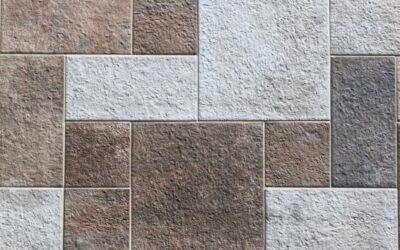
Natural stone tile flooring brings millions of years of geological history into your home. Each tile is genuinely one-of-a-kind, with unique veining, color variations, and textures that no manufactured product can truly replicate. That authenticity is exactly why natural stone remains one of the most sought-after flooring materials despite the higher cost and maintenance demands compared to porcelain or vinyl alternatives.
Part of our Tile & Grout guide — explore the full guide →
This guide covers every major type of natural stone flooring, from the luxurious elegance of marble to the rugged durability of granite. You will learn how each stone performs in real-world conditions, what maintenance is actually required, and what you should expect to pay in 2026.
Types of Natural Stone Tile Flooring
Marble
Marble is the prestige choice in natural stone tile flooring, associated with luxury homes, high-end hotels, and classical architecture for thousands of years. It is a metamorphic rock formed when limestone undergoes intense heat and pressure, which creates its characteristic veining patterns.
Marble tiles are available in a stunning range of colors. Carrara and Calacatta from Italy feature white backgrounds with gray veining. Emperador offers rich brown tones. Nero Marquina provides dramatic black with white veins. Crema Marfil delivers a warm, creamy beige that works with almost any design scheme.
The Mohs hardness of marble ranges from 3 to 5, making it softer than granite and more susceptible to scratching. The calcium carbonate composition also makes marble reactive to acids, so spills of wine, lemon juice, vinegar, or tomato sauce will etch the surface if not wiped up quickly. This is not damage in the traditional sense but rather a chemical dulling of the polish.
Marble tile flooring costs $5-$25 per square foot for materials, with rare varieties like Calacatta Gold reaching $40 or more. Professional installation adds $8-$15 per square foot. Honed finishes are more practical for floors than polished, as they hide etching better and provide superior slip resistance.
Granite
Granite is the workhorse of natural stone tile flooring. With a Mohs hardness of 6-7, it is significantly harder than marble and resists scratching from everyday foot traffic, pets, and dropped objects. Granite is also non-reactive to acids, making it far more practical in kitchens and dining areas.
The color range of granite is enormous, spanning from pure blacks (Absolute Black, Black Galaxy) through grays, blues, greens, reds, and golds. The visible crystal structure gives granite a depth and sparkle that photographs rarely capture. Each slab has a unique mineral composition that determines its appearance.
Granite tiles cost $3-$15 per square foot for materials. The wide range reflects the enormous variety available. Common colors like Uba Tuba and Baltic Brown sit at the lower end, while exotic varieties like Blue Bahia and Van Gogh command premium prices. Installation costs are similar to marble at $8-$15 per square foot.
Despite being less porous than marble, granite still benefits from periodic sealing. Most granite floors need resealing every 2-3 years, though some very dense varieties like Absolute Black may need sealing only every 5 years or not at all.
Travertine
Travertine is a form of limestone deposited by mineral springs, and it has a warm, earthy character that brings a Mediterranean or Old World feel to any space. The natural pitting and voids in travertine are part of its charm, though these can be filled during manufacturing for a smoother surface.
Travertine natural stone tile flooring comes in shades of ivory, beige, walnut, gold, and rust. The four standard finishes are polished (glossy, shows color depth), honed (matte, most popular for floors), tumbled (aged, rustic appearance with rounded edges), and brushed (textured, good slip resistance).
The softness of travertine (Mohs 3-4) means it scratches more easily than granite but develops a beautiful patina over time that many homeowners prefer to the original appearance. Like marble, travertine is calcium-based and reacts to acids, so sealing is essential.
Travertine tiles cost $3-$12 per square foot, making them one of the more affordable natural stone options. Turkish travertine is the most common and economical, while Italian and Iranian varieties are less widely available and may cost more.
Slate
Slate offers a distinctly different aesthetic from the polished elegance of marble or granite. Its natural cleft surface provides a textured, organic feel and exceptional slip resistance, making it an excellent choice for entryways, mudrooms, and bathrooms. For a broader look at how tile flooring compares across different materials, our dedicated guide covers all the options.
Color options in slate include classic charcoal and black, multi-colored varieties with rust, green, and purple tones, and softer gray-green shades. Some slates exhibit a property called color fading, where exposed surfaces lighten over time. This is natural and not a defect, but it is worth understanding before committing.
Slate rates 5.5-6.5 on the Mohs scale, putting it between marble and granite in hardness. It is relatively non-porous compared to travertine and limestone but still requires sealing to prevent staining. The natural cleft surface means thickness can vary slightly between tiles, requiring more skill during installation to achieve a level floor.
Slate tiles cost $3-$10 per square foot for materials. Gauged slate (machined to uniform thickness on the back) costs more but is much easier to install than natural cleft pieces with varying thickness.
Limestone
Limestone brings a soft, understated elegance to floors. Its muted tones of cream, beige, gray, and blue-gray create a calm, sophisticated atmosphere that works beautifully in both traditional and contemporary interiors. French limestone in particular is prized for its ability to blend seamlessly with various design styles.
With a Mohs hardness of only 3-4, limestone is one of the softer natural stone tile flooring options. It is highly porous and very reactive to acids, requiring diligent sealing and prompt cleanup of spills. Limestone is best suited for low-traffic areas or homes where the occupants are willing to embrace the inevitable patina that develops over time.
Limestone tiles cost $4-$15 per square foot. French limestone varieties like Burgundy and Beaumaniere can exceed $20 per square foot. Despite its softness, limestone has been used as flooring in European buildings for centuries, proving it can last generations with appropriate care.
Sandstone
Sandstone is a sedimentary rock with a warm, grainy texture that feels natural underfoot. Its earthy tones of tan, brown, gold, red, and gray make it a popular choice for homes with rustic or organic design themes. Sandstone is commonly used in outdoor applications but also works indoors, particularly in informal living spaces.
The porosity of sandstone varies considerably by variety. Some Indian sandstones are quite dense, while others are highly absorbent. Thorough sealing is essential for any sandstone floor, and reapplication may be needed annually in high-traffic areas. Sandstone tiles cost $4-$10 per square foot and are widely available through specialty stone suppliers.
Sealing Natural Stone Tile Flooring
Sealing is the single most important maintenance task for natural stone tile flooring. A quality sealer penetrates the stone’s pores and creates a barrier against water, oil, and stains without altering the stone’s appearance.
Types of Sealers
Impregnating sealers (also called penetrating sealers) soak into the stone and protect from within. They do not change the stone’s appearance or sheen and allow moisture vapor to escape, preventing trapped moisture problems. These are the preferred choice for most natural stone floors.
Topical sealers form a coating on the surface of the stone. They can enhance color and add gloss but may peel, become slippery when wet, and trap moisture. Topical sealers are generally not recommended for stone floors except in specific commercial applications.
Sealing Schedule
New stone floors should be sealed before grouting and again after installation is complete. After that, the resealing frequency depends on the stone type and traffic level. Marble and limestone typically need resealing every 6-12 months in kitchens and every 1-2 years in lower-traffic areas. Granite and slate can often go 2-5 years between applications. Travertine and sandstone fall somewhere in between at 1-2 year intervals.
A simple water test tells you when resealing is needed. Pour a small amount of water on the stone surface. If it beads up, the sealer is still effective. If it soaks in and darkens the stone within a few minutes, it is time to reseal.
Installation Essentials
Subfloor Requirements
Natural stone tile flooring demands a perfectly flat, rigid subfloor. The maximum allowable variation is 1/8 inch over 10 feet. Any flex in the subfloor will eventually crack the stone or grout. Concrete slabs are ideal, but properly reinforced plywood subfloors with cement backer board also work.
An uncoupling membrane like Schluter DITRA is strongly recommended, especially over concrete. This membrane absorbs minor substrate movement and prevents cracks from telegraphing through to the stone surface. It also provides waterproofing, which protects the subfloor from moisture that penetrates through grout joints.
Setting Materials
Always use a white thinset mortar for light-colored stones like marble, travertine, and limestone. Gray thinset can bleed through and darken the stone’s appearance. A medium-bed mortar rated for natural stone is essential, as standard ceramic tile thinset may not provide adequate bond strength for the heavier stone tiles.
Grout Selection
Unsanded grout is typically used for joints narrower than 1/8 inch, which is common with marble and granite tiles set with tight spacing. Sanded grout works for wider joints but can scratch polished stone surfaces during application. Epoxy grout is the most stain-resistant option but requires experienced installers due to its fast setting time.
Maintenance Best Practices
Daily maintenance for natural stone tile flooring is simple. Sweep or dust mop regularly to remove grit that can scratch the surface. Damp mop with a pH-neutral stone cleaner, never with vinegar, bleach, ammonia, or general-purpose household cleaners. These products can strip sealers and damage the stone surface.
Place felt pads under furniture legs and use doormats at all entrances to minimize grit on the floor. In kitchens, clean up spills immediately, especially acidic liquids. In bathrooms, squeegee stone shower floors after each use to minimize water spot buildup.
Professional deep cleaning and honing can restore natural stone floors that have become dull or scratched. This process uses progressively finer diamond pads to re-smooth the surface and can make a decades-old floor look nearly new. Expect to pay $3-$8 per square foot for professional stone restoration.
Cost Comparison and Value
Natural stone tile flooring is a premium investment. Here is a summary of typical material costs per square foot in 2026. Marble runs $5-$25. Granite costs $3-$15. Travertine ranges $3-$12. Slate is $3-$10. Limestone costs $4-$15. Sandstone ranges $4-$10.
Add $8-$15 per square foot for professional installation, plus $1-$3 per square foot for sealing. The total investment for a 300 square foot room typically falls between $3,600 and $12,000 depending on the stone chosen.
The value proposition of natural stone becomes clear over time. A well-maintained stone floor can last the entire life of a building, making the per-year cost comparable to or less than flooring materials that need replacement every 10-20 years. Natural stone also consistently adds to home resale value, with real estate agents citing it as a desirable feature that buyers will pay a premium for.
Which Natural Stone Is Right for Your Space?
For high-traffic kitchens and family rooms, granite offers the best combination of beauty and practicality. For formal living rooms and master bathrooms, marble delivers unmatched elegance. Travertine works beautifully in Mediterranean, transitional, or traditional homes. Slate is perfect for entryways, mudrooms, and rustic-themed spaces. Limestone suits low-traffic formal areas where its subtle beauty can be appreciated.
Whatever stone you choose, work with an experienced stone tile installer rather than a general tile contractor. Natural stone has unique requirements that differ significantly from ceramic or porcelain tile, and the investment deserves expert handling.
Prefer to explore on your own?
See how new flooring looks in your actual room in seconds — free, no signup.
Try the free Floor Studio →