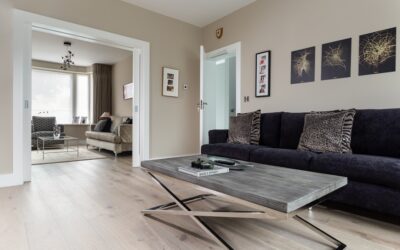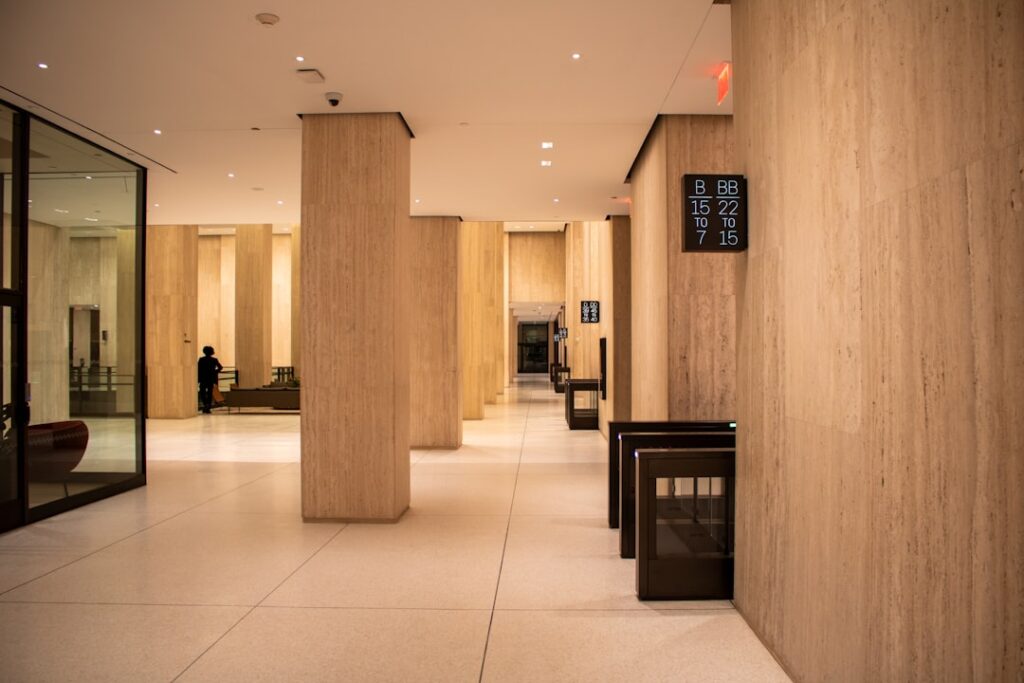
The floor in your office affects more than aesthetics. The right office flooring supports chair casters, reduces noise, holds up to foot traffic, and contributes to a professional environment. Whether you are setting up a home office or outfitting a commercial workspace, this guide covers the best flooring options, their pros and cons, and how to choose the right material for your needs.
Home Office vs. Commercial Office Flooring
Before diving into materials, it is important to understand how home and commercial office flooring requirements differ:
Home Office
- Lower foot traffic (one or two people)
- Needs to blend with the rest of the home’s design
- Rolling office chair is the primary wear concern
- Noise reduction matters when others are home
- Budget is typically personal, not corporate
- Comfort for long hours of sitting and standing
Commercial Office
- High foot traffic from employees, clients, and visitors
- Professional appearance is critical for brand image
- Hundreds or thousands of chair casters rolling daily
- Acoustic management is essential in open floor plans
- Must meet commercial building codes and fire ratings
- Durability and maintenance costs affect the bottom line
Best Office Flooring Options
1. Luxury Vinyl Plank (LVP)
Luxury vinyl plank flooring has rapidly become one of the most popular office flooring choices for both home and commercial applications. Its combination of durability, water resistance, easy maintenance, and realistic aesthetics makes it a practical choice for any office environment.
For offices, LVP offers critical advantages. It handles rolling office chair casters without damage (choose SPC rigid core for best performance). It is quiet underfoot, especially with an attached or separate underlayment. It is easy to clean and maintain. And it comes in wood and stone looks that create a professional, polished appearance.
In commercial offices, LVP with a 20 mil or thicker wear layer handles the heavy foot traffic and constant chair movement without showing wear. Many commercial LVP products come with 15 to 20 year commercial warranties.
For home offices, LVP is especially appealing because it matches the flooring you might use in adjacent living spaces, creating a seamless transition from hallway to office.
2. Carpet Tiles
Carpet tiles are the dominant flooring choice in commercial offices and an increasingly popular home office option. Their biggest advantage in an office setting is noise reduction. Carpet absorbs sound from footsteps, chair wheels, dropped items, and conversation, significantly improving the acoustic environment.
In open-plan offices, the noise reduction from carpet tiles is not just a comfort factor; it directly affects productivity. Studies consistently show that excessive noise is the top complaint in open office environments. Carpet tiles reduce ambient noise levels measurably.
Carpet tiles are available with built-in backing systems that provide cushion and stability. Commercial-grade options feature solution-dyed nylon fibers that resist staining, fading, and wear. When sections become worn or stained, you can replace individual tiles without touching the rest of the floor.
For home offices, carpet tiles create a warm, comfortable environment. They are gentle on bare feet, reduce fatigue during long work hours, and prevent the clicking noise of chair casters on hard surfaces.
3. Laminate Flooring
Laminate flooring offers the look of hardwood at a significantly lower price point, making it an attractive option for home offices. High-quality laminate with an AC3 or higher rating handles the wear from office chairs and foot traffic effectively.
Laminate’s hard surface is excellent for rolling office chairs. Casters glide smoothly without the resistance you get on carpet. The hard surface also makes it easy to clean and maintain.
For home offices, laminate provides a polished, professional look that works well for video calls and client meetings. It is also a straightforward DIY installation, saving on costs.
The downsides are that laminate can be noisy (footsteps and chair movement are audible) and it is not water-resistant. A quality underlayment helps with noise, and keeping drinks away from the edges minimizes moisture risk. Laminate is less common in commercial offices where its lower durability compared to LVP or carpet tiles limits its lifespan under heavy use.
4. Hardwood
Solid and engineered hardwood floors create the most upscale, executive look in an office environment. Nothing matches the warmth and prestige of real wood underfoot. Hardwood is a top choice for executive home offices, private offices, and conference rooms where appearance matters most.
Hardwood works well in low-traffic office settings with one or two occupants. The key concern is chair caster damage. Rolling office chairs can scratch and dent hardwood, especially softer species. Protect hardwood with a high-quality chair mat or choose a harder species like hickory, maple, or white oak.
Engineered hardwood is generally better than solid hardwood for offices because its layered construction is more dimensionally stable and resists denting slightly better. Prefinished hardwood with a factory-applied aluminum oxide finish is more scratch-resistant than site-finished wood.
Hardwood is not practical for high-traffic commercial offices. The scratching, denting, and wear from dozens of employees and their chairs would require frequent refinishing.
5. Polished Concrete
Polished concrete is a modern, industrial-chic office flooring option that has gained popularity in creative agencies, tech companies, and loft-style office spaces. It is extremely durable, virtually maintenance-free, and provides a clean, minimalist aesthetic.
Polished concrete handles any amount of foot traffic and chair movement without showing wear. It is impossible to scratch or dent under normal office conditions. Cleaning requires only dust mopping and occasional damp mopping.
The downsides for offices are noise and comfort. Concrete reflects sound rather than absorbing it, which can make open offices louder. It is also hard and cold underfoot, which is uncomfortable for standing or walking without shoes. Area rugs in conversation areas and anti-fatigue mats at standing desks solve these issues.
Office Flooring Comparison Table
| Flooring Type | Chair Caster Safe | Noise Reduction | Cost per Sq Ft | Durability | Best For |
|---|---|---|---|---|---|
| LVP (SPC) | Excellent | Moderate | $2.50 – $6.00 | High | Home & commercial |
| Carpet Tiles | Good (hard backing) | Excellent | $2.00 – $8.00 | Moderate-High | Commercial & home |
| Laminate | Good | Low | $1.50 – $5.00 | Moderate | Home office |
| Hardwood | Fair (use mat) | Low | $5.00 – $15.00 | Moderate | Executive/home |
| Polished Concrete | Excellent | Poor | $2.00 – $8.00 | Very High | Commercial/creative |
Chair Caster Compatibility
Office chairs with caster wheels are the single biggest wear factor for office flooring. Here is what you need to know:
Hard Floors (LVP, Laminate, Hardwood, Concrete)
Standard hard plastic casters roll easily on hard floors but can scratch softer surfaces like hardwood and laminate. Solutions include:
- Switching to soft rubber casters (rollerblade-style wheels), which are gentler on hard floors and roll more smoothly
- Using a chair mat (polycarbonate mats are the most durable)
- Choosing a flooring material rated for caster use (SPC LVP with a 20 mil+ wear layer)
Carpeted Floors
Standard hard plastic casters are designed for carpet. However, thick carpet can make rolling difficult and cause fatigue. Solutions include:
- Choosing low-pile, hard-backed carpet tiles (designed for commercial office use)
- Using a hard-surface chair mat on top of carpet for easier rolling
Noise Reduction in Offices
Noise is a critical consideration in office environments. The floor surface significantly affects the room’s acoustics:
- Carpet tiles: Best noise reduction. Absorbs footstep noise, chair sounds, and ambient conversation. Reduces echo in open spaces.
- LVP with underlayment: Good noise reduction. The underlayment layer dampens footstep and chair sounds. Not as effective as carpet for ambient noise absorption.
- Laminate with underlayment: Moderate. Underlayment is essential; without it, laminate can be very noisy.
- Hardwood: Minimal noise reduction. Hard surface reflects sound. Area rugs help.
- Concrete: No noise reduction. Amplifies sound. Requires rugs, acoustic panels, or other sound management strategies.
Standing Desk Considerations
Standing desks have become a fixture in modern offices. If you use a standing desk, your flooring choice directly affects your comfort during long hours on your feet.
Hard floors (concrete, tile, hardwood) cause foot and leg fatigue quickly. An anti-fatigue standing desk mat is essential. These mats sit on top of the flooring and provide cushioned support.
Carpet tiles and LVP with attached padding are more comfortable for standing. Cork is the most comfortable hard-surface option for standing due to its natural resilience. Even with these softer surfaces, a standing desk mat is still recommended for sessions longer than an hour.
When planning your office layout, designate the standing desk area and ensure your flooring choice (or mat placement) accommodates it.
Cost Breakdown
A typical home office is 100 to 200 square feet. A small commercial office suite might be 500 to 2,000 square feet. Here are material costs for a 150-square-foot home office:
- Laminate: $225 – $750 (most affordable for a quality look)
- LVP: $375 – $900 (best overall value)
- Carpet tiles: $300 – $1,200 (wide range based on quality)
- Polished concrete: $300 – $1,200 (if slab exists)
- Hardwood: $750 – $2,250 (premium option)
Professional installation adds $2 to $10 per square foot. LVP, laminate, and carpet tiles are all DIY-friendly, making them the most budget-friendly installed options for home offices.
Our Recommendations
- Best for home offices: LVP. Durable, attractive, caster-friendly, and transitions seamlessly to adjacent rooms.
- Best for commercial offices: Carpet tiles. Superior noise reduction, professional appearance, and replaceable sections make them the industry standard.
- Best budget option: Laminate. Affordable, easy to install, and good-looking for a home office.
- Best premium option: Hardwood for executive offices or polished concrete for creative/industrial spaces.
Frequently Asked Questions
What is the best flooring for a home office?
LVP (luxury vinyl plank) is the best overall home office flooring. It handles office chair casters without damage, is easy to clean, looks professional on video calls, and costs less than hardwood. Choose SPC rigid core with a 20 mil or thicker wear layer for best performance.
Do I need a chair mat with LVP flooring?
Most SPC LVP with a 20 mil+ wear layer can handle office chair casters without a mat. However, a chair mat still provides extra protection and makes rolling easier. If you use standard hard plastic casters, a mat is recommended. If you switch to soft rubber casters, a mat is typically unnecessary on quality LVP.
Is carpet or hard flooring better for an office?
It depends on your priorities. Carpet provides superior noise reduction and comfort, making it ideal for commercial offices and shared spaces. Hard flooring (LVP, laminate, hardwood) is easier to clean, better for chair casters, and provides a more polished look for home offices and executive spaces. Many offices use a combination of both.
What is the most durable commercial office flooring?
Polished concrete is the most durable, but carpet tiles with commercial-grade nylon fibers are the most practical. Commercial LVP with a 28 mil wear layer is gaining popularity as a durable alternative. All three options handle heavy foot traffic and chair casters for 15 to 25 years.
How do I reduce noise in my home office?
Start with the floor. Carpet tiles provide the best noise reduction. If you prefer hard flooring, choose LVP with a thick underlayment and add an area rug. Cork flooring also provides good sound dampening. Beyond the floor, consider acoustic panels, a solid door, and weatherstripping to create a quieter workspace.
Can I use laminate flooring in a commercial office?
Laminate is not ideal for commercial offices. Its durability is lower than LVP or carpet tiles under heavy commercial traffic, and it does not meet some commercial fire rating requirements. For commercial applications, LVP or carpet tiles are better choices that cost about the same and last significantly longer.
Prefer to explore on your own?
See how new flooring looks in your actual room in seconds — free, no signup.
Try the free Floor Studio →