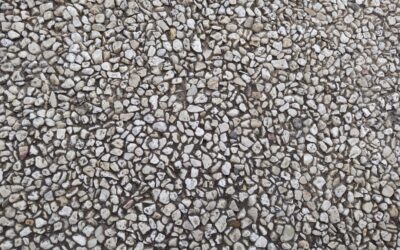
Stepping onto smooth river rocks under warm water feels like a private spa, which is exactly the appeal of a pebble flooring bathroom. Made from natural stones bonded onto mesh-backed tile sheets, pebble flooring brings organic texture, a built-in foot massage, and excellent natural slip resistance to showers and bathroom floors. It is one of the most distinctive surfaces you can install, but it comes with real maintenance demands around sealing and grout that you should understand before falling for the look.
Part of our Bathroom Remodeling & Flooring guide — explore the full guide →
- What Pebble Flooring Is
- The Spa Appeal and Texture
- Slip Resistance and Where to Use It
- Sealing: The Non-Negotiable Step
- The Grout Reality
- Pros of a Pebble Bathroom Floor
- Cons to Weigh Honestly
- Installation and Cost Tips
- Cleaning and Long-Term Care
- Pebble Tile Versus Other Shower Floors
- The Bottom Line
What Pebble Flooring Is
Pebble tile is made by adhering small, rounded river stones onto a flexible mesh backing in roughly 12-inch sheets. You lay the sheets in a thinset bed like any tile, then grout between and around the stones. The stones can be left in their natural rounded form for maximum texture or sliced flat on top for a smoother, easier-to-clean surface while keeping the pebble appearance.
The material comes in a range of natural colors — gray, tan, black, white, and multicolor blends — so it can read as serene and neutral or bold and dramatic depending on the stone you choose.
The Spa Appeal and Texture
The biggest draw is sensory. Walking on rounded pebbles delivers a gentle foot massage and a strong connection to nature, turning an ordinary shower into a spa-like retreat. The uneven, three-dimensional surface catches light beautifully and adds organic warmth that flat tile cannot replicate.
That same texture is functional. The bumpy surface of natural pebbles provides outstanding slip resistance, which is a genuine safety advantage in a wet shower where falls are a real risk. For shower floors especially, this traction is one of pebble tile’s strongest selling points.
Slip Resistance and Where to Use It
Pebble flooring shines in specific bathroom zones. It is most popular as a shower floor, where its traction and drainage-friendly contours excel. Some homeowners extend it across an entire bathroom floor for a unified, natural look, or use it as an accent band or feature area paired with larger tiles.
For shower pans, the rounded stones help channel water toward the drain, and the texture keeps feet planted. Just confirm the floor is sloped correctly to the drain, since pooling water on any stone surface invites problems over time.
Sealing: The Non-Negotiable Step
Natural stone is porous, and a wet bathroom is the most demanding environment for it. Pebble flooring must be sealed properly to repel water, resist staining, and prevent mold and mildew from taking hold. This is not optional. Expect to apply a penetrating stone sealer after installation and to reseal periodically, often every year or two depending on use and the product.
Many installers seal the stones before grouting and again after, ensuring full protection. Skipping or skimping on sealing is the leading cause of pebble floors that discolor, stain, or grow mildew. Budget the time and the sealer cost into your project from the start.
The Grout Reality
Pebble tile uses far more grout than flat tile because grout fills all the gaps between irregular, rounded stones. That means more grout lines, more grout surface, and more cleaning. Those numerous crevices can trap soap scum, hair, and grime, and they are harder to scrub than a flat tile joint.
To manage this, many pros recommend an epoxy or high-quality sealed grout that resists staining and mold better than standard cement grout. Sealing the grout along with the stones is essential. Be realistic: a pebble floor asks for more regular, attentive cleaning than smooth porcelain.
Pros of a Pebble Bathroom Floor
- Excellent slip resistance from the naturally textured surface.
- Spa-like, organic look and a soothing foot massage underfoot.
- Unique, natural character with no two floors alike.
- Conforms to curves and slopes, making it ideal for shower pans.
- Generally affordable stone material compared with large-format natural stone slabs.
Cons to Weigh Honestly
- High maintenance — frequent sealing and diligent grout cleaning.
- Lots of grout lines that trap soap scum and require scrubbing.
- Uneven surface can be uncomfortable for some and harder to clean than flat tile.
- Difficult to keep dry in low-drainage spots, raising mildew risk.
- Cold underfoot like all stone, unless paired with radiant heat.
Installation and Cost Tips
Pebble tile is more demanding to install well than standard tile because the sheets must blend seamlessly and the grout must be packed carefully around each stone. Material costs are moderate, often in the range of $5 to $15 per square foot for the tile, but labor runs higher due to the grouting and sealing effort. For shower floors, hiring an experienced tile setter is money well spent, since waterproofing and slope are critical.
Choose sliced-top pebbles if you want a flatter, easier-clean surface, or full rounded pebbles for maximum massage and traction. Either way, plan for proper waterproofing membrane beneath the tile in any shower.
Cleaning and Long-Term Care
Living with a pebble floor means accepting a steady cleaning routine. Rinse the floor regularly and use a soft brush with a pH-neutral stone cleaner to work soap scum and grime out of the many grout crevices. Avoid acidic cleaners like vinegar on natural stone, which can etch and dull the pebbles over time. After showering, squeegee or wipe excess water to discourage mildew in the low spots between stones.
Plan to reseal the stones and grout on a schedule, typically every one to two years, and watch for any spots where water lingers. Catching and addressing standing water early prevents the discoloration and mold that otherwise creep into a neglected pebble floor.
Pebble Tile Versus Other Shower Floors
It helps to see pebble tile against its main rivals. Compared with small mosaic porcelain, pebble offers more dramatic texture and a stronger spa feel, but porcelain mosaics resist staining better and clean more easily. Against large-format tile cut for shower pans, pebble conforms to slopes and curves more naturally and grips better underfoot, while large tile keeps cleaning simpler with fewer grout lines.
If your priority is a unique, massaging, slip-resistant spa surface and you accept the upkeep, pebble wins. If low maintenance and easy cleaning top your list, a textured porcelain mosaic may serve you better while still offering good traction. Match the choice to how much care you are realistically willing to give.
The Bottom Line
A pebble flooring bathroom delivers genuine spa atmosphere, soothing texture, and reliable slip resistance that make it a standout choice for showers. The price of that beauty is maintenance: rigorous sealing and consistent grout care are mandatory, not optional. If you are willing to commit to the upkeep, pebble flooring rewards you with a natural, tactile floor that few other materials can match. If low maintenance is your priority, a textured porcelain may serve you better.
Prefer to explore on your own?
See how new flooring looks in your actual room in seconds — free, no signup.
Try the free Floor Studio →