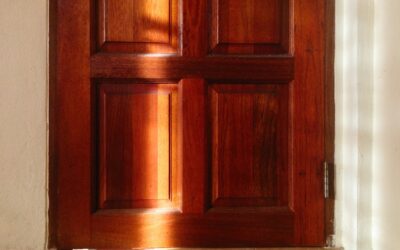
Look inside almost any American home built in the last 40 years and you will find the same door style repeated throughout: the classic raised-panel design with two columns and three rows of recessed panels. The six panel interior door is the default for a reason, it is affordable, timeless, and works with nearly every decor from colonial to transitional. Choosing the right six panel interior door comes down to core type, material, size, and whether you buy a slab or a prehung unit. This guide covers every decision so you get the right door the first time.
Part of our Windows & Doors guide — explore the full guide →
- Why the Six-Panel Design Endures
- Solid Core vs. Hollow Core
- Material Choices: Wood vs. MDF vs. Composite
- Sizing a Six-Panel Door
- Slab vs. Prehung
- Installation and Cost Overview
- Finishing and Painting a Six-Panel Door
- Matching Doors Throughout Your Home
- Buying a 6 Panel Solid Door: Weight, Hinges and Code Basics
- Frequently Asked Questions
Why the Six-Panel Design Endures
The six-panel layout traces back to colonial-era joinery, when doors were built from a frame of stiles and rails with floating panels that could expand and contract with humidity. That construction was practical, and the proportions, two vertical rows of three panels, became a design standard that reads as traditional without being fussy.
Today the look is achieved through molded, stamped, or built-up construction, but the appeal remains: the panels add depth and shadow that a flat slab lacks, and the neutral styling suits almost any interior. It is the safest, most resale-friendly door choice you can make, which is exactly why builders install it by the dozen.
Solid Core vs. Hollow Core
The single most important decision is the core, because it determines how the door feels, sounds, and performs. Your options:
- Hollow core: A honeycomb cardboard interior between two face skins. Lightweight, cheap ($30 to $80), and fine for closets and low-traffic rooms, but they sound hollow, block little noise, and dent easily.
- Solid core: A dense engineered wood or composite core between skins. Heavier, quieter, and more substantial ($70 to $200), with far better sound insulation, ideal for bedrooms, bathrooms, and offices.
- Solid wood: Built entirely of real wood ($150 to $500-plus). The most durable and premium, but the priciest and most sensitive to humidity swings.
For bedrooms and bathrooms where privacy and quiet matter, spend on solid core. For closets and pantries, hollow core is a reasonable economy.
Material Choices: Wood vs. MDF vs. Composite
Beyond the core, the face material affects finish and cost. Molded MDF (medium-density fiberboard) faces are the most common and affordable, offering a smooth, paintable surface with crisp panel detail, but MDF cannot be stained and swells if it gets wet. Real wood veneer or solid wood doors can be stained to show grain, making them the choice when you want a natural wood finish rather than paint.
Composite and hardboard-faced doors split the difference, durable and paintable at a moderate price. For a painted white door, the standard in most homes, molded MDF solid-core offers the best value and finish. For a stained wood look, step up to a veneer or solid-wood door.
Sizing a Six-Panel Door
Doors come in standard sizes, and matching your opening prevents a lot of grief. Standard interior door heights are 80 inches (the common 6-foot-8), with 96-inch available for tall openings. Common widths in inches:
- 24-inch: Closets and small pantries.
- 28-inch: Small closets and secondary spaces.
- 30-inch: Bathrooms and bedrooms in older or smaller homes.
- 32-inch: A common bedroom and bathroom width, and the minimum for accessibility.
- 36-inch: Main passages and accessible doorways.
Standard thickness is 1-3/8 inches for interior doors. Measure your existing door or the rough opening carefully, and note the hinge side (left or right hand) so a prehung unit swings the correct way.
Slab vs. Prehung
You can buy a six-panel door two ways, and the right choice depends on whether the existing frame is sound:
- Slab door: Just the door itself, no frame or hinges. Cheaper and correct when your existing jamb is in good shape and you are only replacing the door. You will mortise hinges and bore the knob, or reuse existing hardware locations if they align.
- Prehung door: The door already mounted in a complete frame with hinges installed. More expensive but far easier to install square and plumb, and the right choice for new openings or when the old jamb is damaged.
For a straightforward door swap, a slab saves money if the hinge and knob locations match. For a new opening or a warped frame, a prehung unit is worth the extra cost and effort.
Installation and Cost Overview
Installing a slab means transferring hinge and knob positions from the old door, mortising the hinges, boring the latch hole, and hanging it, an intermediate DIY task requiring a chisel, drill, and patience. A prehung unit is set into the rough opening, shimmed plumb and square, fastened, and trimmed, more forgiving but heavier to maneuver. Budget an hour or two per door either way.
- Hollow-core slab: $30 to $80.
- Solid-core slab: $70 to $200.
- Prehung unit: $90 to $300 depending on core and material.
- Professional installation: $100 to $300 per door.
Add hardware, hinges and a knob or lever run $15 to $60, if not reusing existing pieces.
Finishing and Painting a Six-Panel Door
A six-panel door’s raised profile is what makes it attractive, but the panels and recesses also demand a careful finishing approach. For a painted molded MDF door, start with a bonding primer, then apply two coats of a durable enamel or cabinet-grade paint. Work in a consistent order to avoid lap marks: paint the recessed panels first, then the horizontal rails, then the vertical stiles, and finally the door edges. A small angled brush handles the panel corners while a foam roller or sprayer lays down a smooth finish on the flat areas.
For a stained wood or veneer door, apply a pre-stain conditioner to pine or soft woods so the stain absorbs evenly, then stain, wipe, and topcoat with two or three coats of polyurethane. Whether painting or staining, remove the door and lay it flat on sawhorses if you can, gravity helps the finish level out and keeps drips from forming in the panel recesses.
Matching Doors Throughout Your Home
Because the six-panel style is so ubiquitous, replacing a single damaged door is easy, but matching several across a home takes a little planning. Panel proportions and profiles vary subtly between manufacturers and even between molded and true built-up construction, so a new door hung next to an old one may not match exactly. If consistency matters, buy all your doors from the same product line at once, and confirm the panel layout, edge profile, and thickness are identical. When only one door needs replacing in a visible hallway, paint helps blend minor profile differences, whereas mismatched stained doors stand out. Standardizing on one door style and hardware finish throughout the house delivers a cohesive, finished look that buyers notice.
Buying a 6 Panel Solid Door: Weight, Hinges and Code Basics
A 6 panel solid door can mean two different products: a solid-core door with a dense composite core behind molded panels, or a door built entirely of solid wood. Both are far heavier than hollow core, which changes how the door is hung, trimmed, and where it is required. Plan for the weight first and the rest of the install falls into place.
How the options compare in practice
| Door type | Typical weight (30 by 80 inch) | Sound blocking | Trimming tolerance | Best locations |
|---|---|---|---|---|
| Hollow core six-panel | About 20 to 30 pounds | Low | Small; the edge rails are narrow | Closets, pantries |
| Solid core six-panel | About 50 to 70 pounds | Good | Generous; can be trimmed more freely | Bedrooms, bathrooms, offices |
| Solid wood six-panel | About 60 to 100 pounds | Good | Generous, but seal cut edges | Stained doors, period homes |
These are general ranges; wider, taller, or thicker doors weigh more, so check the maker’s spec sheet for the exact unit.
Hinges and hardware for a heavy door
A solid six-panel door should hang on three hinges, not two, to keep it from sagging and pulling the top hinge screws loose. Use hinges rated for the door’s weight and drive at least one long screw through the top hinge into the wall framing behind the jamb. When replacing a hollow core slab with a solid one in an old frame, check that the existing hinges and jamb are sound before reusing them.
Where a solid door may be required
Many local codes require a solid-core or fire-rated door between an attached garage and the living space, and some ask for a self-closing device as well. Requirements vary by jurisdiction, so confirm with your building department before buying. A solid six-panel door is also the usual choice for a home office or bedroom where privacy matters, since the added mass blocks noticeably more sound.
Handling and installation tips
- Have a helper for prehung solid doors; the frame adds weight and the unit is awkward to lift into the opening.
- Add weatherstripping or a door sweep if sound control is the goal, because gaps leak more noise than the door itself.
- Seal the top and bottom edges after trimming a solid wood door so it does not absorb moisture and warp.
- Use a door stop or a soft-close hinge pin where a heavy door could swing into a wall.
Frequently Asked Questions
Should I buy a solid-core or hollow-core six-panel door?
Choose solid core for bedrooms, bathrooms, and offices where you want privacy, quiet, and a substantial feel. Hollow core is fine and economical for closets and low-traffic rooms, though it blocks little sound and dents more easily.
Can a six-panel MDF door be stained?
No. Molded MDF doors are designed to be painted and cannot take stain, because there is no real wood grain to show through. If you want a stained wood look, choose a real wood veneer or solid wood six-panel door instead.
What is the difference between a slab and a prehung door?
A slab is just the door with no frame, cheaper and best when your existing jamb is sound. A prehung door comes already mounted in a complete frame with hinges, easier to install square and the right choice for new openings or damaged frames.
What size interior door is standard?
Standard height is 80 inches and standard thickness is 1-3/8 inches. Widths range from 24 inches for closets to 36 inches for main passages, with 30 and 32 inches common for bedrooms and bathrooms. Measure your opening before buying.
Are six-panel doors outdated?
Not at all. The six-panel design is a timeless, resale-friendly standard that suits traditional and transitional homes. Flat and shaker-style doors are trendier for modern interiors, but six-panel remains the most widely used and neutral choice.
A six-panel interior door is the dependable, timeless workhorse of American homes, and choosing well means matching the core, material, size, and mounting to each room’s needs. Spend on solid core where quiet and privacy count, pick molded MDF for painted finishes or wood for stain, and decide between slab and prehung based on your existing frame. Get those choices right and you will have doors that look good and perform for decades.