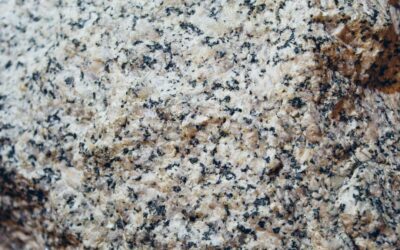
Few countertop names cause as much confusion as this one. Tahitian cream quartzite is the name people use for a creamy beige stone look with soft gold, taupe and white veining, in the same family as the popular warm-white Brazilian quartzites. The catch is that the same name is also used for an engineered quartz color inspired by that natural stone, so the first job is to confirm which material is actually on the slab tag.
Part of our Countertops guide — explore the full guide →
If it is genuine quartzite, you are buying a natural metamorphic stone that is harder than granite in most cases, highly heat resistant and very scratch resistant, but porous enough that it needs sealing. If it is engineered quartz, it needs no sealing but cannot take high heat. Both can look nearly identical in a showroom photo, and the care routine is completely different.
- Tahitian Cream Quartzite Specs at a Glance
- What Tahitian Cream Quartzite Looks Like
- Durability: Strengths and Limits
- Cabinet and Design Pairings
- How to Seal Tahitian Cream Quartzite
- Choosing Edges and Seams
- Daily Care and Troubleshooting
- Cost Ranges
- Safety: Silica Dust and When to Call a Pro
- Frequently Asked Questions
The focus here is the natural stone version: what it looks like, how durable it is, the finishes available, what installed cost ranges look like, which cabinets pair well and how to seal it.
Tahitian Cream Quartzite Specs at a Glance
| Feature | Typical for this stone | What it means for you |
|---|---|---|
| Base color | Creamy white to warm beige | Reads warm; pairs with wood and white cabinets |
| Veining | Soft gold, taupe, gray and white flowing veins | Every slab differs; choose your slab in person |
| Hardness | Around 7 on the Mohs scale for true quartzite | Resists knife scratches better than marble |
| Porosity | Low to moderate, varies by slab | Seal at install and on a schedule |
| Finishes | Polished, honed, leathered | Polished resists stains best; honed shows etching less |
| Heat resistance | High for natural stone | Still use trivets to protect sealer and avoid shock |
| Installed cost | Roughly $70 to $150+ per sq ft | Depends on slab grade, region and edge details |
What Tahitian Cream Quartzite Looks Like
The appeal is warmth. Instead of a stark white with gray veins, the background is a soft cream, and the movement comes in gold, honey and taupe tones with occasional gray or white streaks. Some slabs are calm and quiet; others show bold sweeping veins that run diagonally across the surface. Because the stone is quarried, color and pattern change from block to block and even from slab to slab within a bundle.
That variation is why you should visit the stone yard and tag the exact slabs for your job. Photos and small samples rarely show how the veins will flow across an island. Ask the fabricator for a layout mock-up, especially if you want book-matched seams or a waterfall edge where the veining wraps down the side.
Natural Quartzite or Engineered Quartz?
Ask the supplier to state the material in writing. Simple checks help too: true quartzite will scratch glass and will not be scratched by a steel knife blade. A drop of lemon juice left for a few minutes on a sample will not etch real quartzite, though it may etch a mislabeled marble or dolomite. Some stones sold as quartzite are actually softer dolomitic marble, so testing a sample before you sign is worth the effort.
Durability: Strengths and Limits
True quartzite forms when sandstone is metamorphosed under heat and pressure, fusing quartz grains together. That gives it hardness around 7 on the Mohs scale, comparable to or harder than most granites. In daily use, it shrugs off knife scratches and handles hot cookware better than engineered surfaces.
It is not invincible. Edges and corners can chip from hard impacts, especially with thin mitered edges. Porosity varies, so oils and red wine can stain an unsealed or worn surface. Polished finishes resist staining best; honed and leathered finishes show fewer fingerprints and minor wear but can absorb spills faster, so they need sealing more often.
Cabinet and Design Pairings
- White or cream cabinets: a classic warm kitchen. Pick a cabinet white with a slightly warm undertone so the stone does not look yellow next to it.
- Natural or white oak: the gold veining echoes oak grain; very popular for islands.
- Sage green or muted olive: soft greens pick up the earthy tones without competing.
- Navy or deep blue: the cream background stands out strongly against dark cabinets.
- Hardware: brushed brass, champagne bronze and aged gold play off the veining; matte black works for contrast.
- Backsplash: keep it simple with a warm white tile, or run the quartzite up the wall as a full-height backsplash.
How to Seal Tahitian Cream Quartzite
A penetrating stone sealer (impregnator) is the right product. It soaks into the stone and blocks stains without leaving a film. Most fabricators seal at installation; after that, plan to reseal when water no longer beads on the surface.
- Test first: drip water on several spots. If it darkens the stone within a few minutes, it is time to seal.
- Clean thoroughly: wash with a pH-neutral stone cleaner and let the surface dry fully, ideally overnight.
- Ventilate: open windows and turn on the range hood; solvent-based sealers have strong vapors. Keep vapors away from pilot lights and wear gloves.
- Apply: spread the sealer evenly with a lint-free cloth or applicator, working in small sections.
- Dwell: leave it on for the time stated on the label, usually several minutes.
- Wipe off excess: remove all surface residue before it dries to avoid haze.
- Second coat if needed: very absorbent slabs may take a second coat.
- Cure: avoid water and spills for the cure time on the label.
Retest every 6 to 12 months; some dense slabs go years between applications, while honed and leathered finishes may need it sooner.
Choosing Edges and Seams
Edge profile affects both looks and durability. An eased edge (a slightly softened square) is the most common choice and resists chipping well. A half bullnose or full bullnose is even friendlier to hips and dish racks. Mitered edges, which make a 2 cm slab look like a thick block, are striking with this stone because the veining wraps the edge, but the sharp outside corner is more vulnerable to chips, so ask for a small radius on the corner.
Seams are unavoidable on long runs and large islands. Ask the fabricator to place seams where the veining naturally changes direction or where a sink or cooktop interrupts the run. A well-matched seam with color-tinted epoxy is barely visible on a creamy stone, while a poorly placed seam across a strong vein is hard to miss. Review the layout on the slab before cutting begins.
Daily Care and Troubleshooting
- Cleaning: warm water and a pH-neutral cleaner. Avoid bleach, vinegar and abrasive powders, which degrade sealer over time.
- Oil stain: use a stone poultice that draws out oil, left covered for a day or more.
- Dull spots: may be mislabeled stone that etches; confirm with a fabricator.
- Chipped edge: a fabricator can fill small chips with color-matched epoxy.
- Water rings: usually mean the sealer is worn; reseal.
Cost Ranges
Natural quartzite generally costs more than granite and mid-range engineered quartz. Installed prices commonly fall in a range of roughly $70 to $150 per square foot, with premium slabs, thick edges, mitered waterfall sides and complex cutouts pushing higher. Slab selection, distance from the stone yard and local labor rates all affect the final number. Get at least two quotes that list slab cost, fabrication, edge profile, sink cutout and installation separately.
Safety: Silica Dust and When to Call a Pro
Quartzite is mostly quartz, which means cutting, grinding or polishing it releases respirable crystalline silica, a serious lung hazard. Fabrication should be done by a professional shop using wet cutting and dust controls. Do not cut or grind quartzite indoors yourself. If you must make a small adjustment on site, a pro should do it wet with an N95 or P100 respirator, followed by HEPA cleanup.
Leave templating, fabrication and installation to a professional countertop fabricator. Slabs are heavy, fragile until supported and need cabinet bases that are level and strong. If your sink or cooktop move, hire a licensed plumber for the water and drain connections and a licensed electrician for any new circuits or outlets; kitchen countertop outlets need GFCI protection.
Frequently Asked Questions
Is Tahitian Cream a quartzite or a quartz?
The name is used for both a natural quartzite look and an engineered quartz color. Ask the supplier to confirm the material in writing and test a sample before you buy.
Does Tahitian cream quartzite need to be sealed?
Yes. Natural quartzite is porous to some degree, so seal it at installation and reseal when water stops beading, often every 6 to 12 months.
Is this quartzite good for kitchens?
True quartzite is hard, heat resistant and scratch resistant, which makes it a strong kitchen choice as long as it is sealed and edges are protected from hard impacts.
What cabinet colors go with Tahitian cream quartzite?
Warm whites, natural oak, sage green and navy all pair well. Brass or champagne hardware picks up the gold veining.
How much does Tahitian cream quartzite cost installed?
Expect roughly $70 to $150 or more per square foot installed, depending on slab quality, edge details and your region.