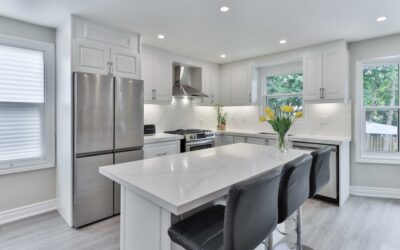
A tan kitchen is the antidote to cold, clinical white spaces, a warm, inviting palette that feels both classic and current. Tan and beige tones bring earthiness and comfort, pair effortlessly with natural materials, and provide a flexible backdrop you can dress up or down with accents. While gray dominated kitchen design for years, warm neutrals like tan have surged back precisely because they make a kitchen feel cozy and lived-in. The key to a great tan kitchen is layering different shades and textures so the space reads rich and intentional, not flat.
Part of our Kitchen Remodeling guide — explore the full guide →
Why Tan Works So Well in Kitchens
Tan is a warm neutral, which means it creates an inviting, relaxed atmosphere that draws people in, exactly what you want in the most social room of the house. It hides everyday wear, smudges, and crumbs better than stark white, an underrated practical perk. Tan also serves as a versatile foundation: it pairs beautifully with wood, stone, greenery, and metals, and it lets you shift the entire mood of the room with a few changeable accents. Best of all, it is timeless, a tan kitchen looks current today and will not feel dated in five years.
Building a Layered Tan Palette
The biggest mistake with a tan kitchen is using one flat shade everywhere, which reads bland. Instead, layer tones across the warm-neutral spectrum:
- Light tan and cream for walls and upper cabinets to keep the room bright.
- Mid-tone tan and greige for lower cabinets or an island, adding depth.
- Deeper taupe or warm brown as grounding accents in wood or hardware.
This tonal layering creates dimension and a designer-grade look. Mind your undertones, some tans lean pink, some yellow, some gray, and you want them to harmonize. Test large samples in your kitchen’s actual light before committing.
Cabinet Options
Cabinets set the tone of a tan kitchen. You have several attractive directions:
- Tan or beige painted cabinets for a soft, cohesive, monochromatic look.
- Natural wood cabinets in oak, walnut, or maple, which bring tan tones through grain and warmth.
- Two-tone cabinets, pairing tan uppers with a darker or contrasting lower or island.
- Cream cabinets with tan walls, a bright yet warm combination.
Wood-tone cabinetry is especially on-trend, delivering the warmth of tan with natural texture that keeps the space from feeling monotone.
Countertop Pairings
Countertops can either blend with or contrast against tan cabinetry. Strong pairings include:
- Cream or beige quartz with subtle veining for a soft, seamless look.
- Warm-toned granite with browns and golds that echo the palette.
- Butcher block for natural warmth and a farmhouse feel.
- White or light quartz to brighten and contrast tan cabinets.
- Darker stone, like a brown or charcoal-flecked surface, to ground lighter tan cabinetry.
Make sure the countertop’s undertone agrees with your tan, warm cabinets generally want warm-toned stone to avoid a clash.
Choosing the Right Accent Colors
Tan’s neutrality is its superpower, it plays well with almost any accent. Popular and flattering pairings include:
- Navy blue, for a classic, sophisticated contrast on an island or backsplash.
- Sage or olive green, reinforcing the earthy, organic feel.
- Black, in hardware and fixtures for crisp, modern definition.
- Terracotta and rust, for a warm, Mediterranean vibe.
- White, to keep things bright and clean.
Bring accents in through backsplash tile, an island color, bar stools, textiles, and decor, places that are easy to update as your taste evolves.
Materials, Texture, and Metals
Because a tan palette is subtle, texture does a lot of the heavy lifting. Mix matte and natural finishes, woven baskets, stone, wood grain, linen, with smoother surfaces to keep the eye engaged. For metals, brass and gold amplify tan’s warmth for a rich, traditional look, matte black adds modern contrast, and oil-rubbed bronze leans rustic and cozy. Choose one dominant metal and repeat it across hardware, faucet, and lighting for cohesion. Natural elements like a wood cutting board, greenery, and stone accents make a tan kitchen feel layered and alive.
Lighting Considerations
Warm neutrals respond strongly to light. Pair a tan kitchen with warm-white LED bulbs (around 2700K to 3000K) to enhance the cozy feel, cool, bluish light can make tan look dull or gray. Layer task lighting under cabinets, statement pendants over the island, and ambient overhead light to keep the space bright and dimensional. Good natural light also flatters tan beautifully, so make the most of any windows.
Backsplash Ideas for a Tan Kitchen
The backsplash is where you can introduce pattern, contrast, or extra warmth to a tan kitchen. Classic white subway tile keeps things bright and timeless against tan cabinets, while a creamy or beige zellige-style tile reinforces the warm palette with handmade texture. For contrast, a navy, green, or black backsplash creates a striking focal point that plays off tan’s neutrality.
Natural stone, travertine, marble with warm veining, or a tan-toned slab, blends seamlessly for an upscale, monochromatic look, while patterned encaustic tile injects personality. If you want to keep the room calm, a tonal backsplash in a shade close to the cabinets lets other elements shine. Whatever you choose, tie the backsplash to your countertop and hardware so the three read as a coordinated trio rather than competing features.
Flooring That Complements Tan
The right floor grounds a tan kitchen and reinforces its warmth. Wood-look flooring, whether hardwood, engineered wood, or wood-look tile and luxury vinyl, pairs naturally with tan cabinetry, and you can play with contrast: a darker walnut floor anchors light tan cabinets, while a pale oak keeps the space airy and cohesive. Warm-toned tile or stone flooring also suits the palette, echoing the earthy feel.
Mind the undertones so the floor and cabinets agree, warm-on-warm reads cohesive, while a too-cool gray floor can fight a warm tan palette. If you want contrast without clashing, a mid-tone floor with subtle warm undertones bridges light cabinets and darker accents. The goal is a floor that supports the cozy, layered look rather than introducing a competing temperature.
Final Thoughts
A tan kitchen offers warmth, flexibility, and timeless appeal that cooler palettes struggle to match. The secret to making it shine is layering, multiple tan and greige tones, varied textures, natural materials, and well-chosen accents like navy, sage, or black. Pair your cabinets and countertops with harmonizing undertones, light it with warm bulbs, and finish with a single consistent metal. The result is a cozy, inviting kitchen that feels both classic and fresh for years to come.