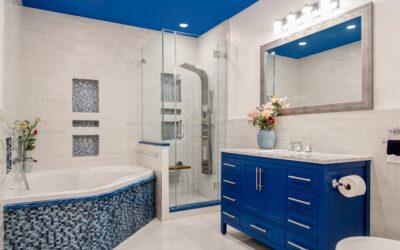
A tile design wall is one of the most effective ways to transform an ordinary room into something striking without renovating the entire space. Whether it is a bold geometric pattern behind a bathroom vanity, a textured stone wall flanking a fireplace, or a colorful mosaic backsplash that extends to ceiling height, a single tiled accent wall creates a focal point that draws the eye and elevates the design of the entire room. Tile accent walls have evolved from a luxury feature into an achievable upgrade for homeowners at virtually any budget.
Part of our Tile & Grout guide — explore the full guide →
This guide covers the best tile accent wall ideas for every room, pattern options, material choices, installation considerations, cost breakdowns, and the design trends shaping 2026.
Bathroom Tile Accent Walls
The bathroom is the most natural location for a tile design wall because tile is already the expected surface material in wet areas. An accent wall takes functional tile installation and turns it into a design statement.
Behind the vanity: A floor-to-ceiling tile wall behind the bathroom vanity and mirror creates a luxurious backdrop that is both practical and beautiful. Popular choices include marble-look porcelain in a herringbone pattern, zellige tiles in soft blues or greens, and large-format stone-look slabs that minimize grout lines.
Shower feature wall: Designating one wall of the shower (typically the wall facing the entry) as an accent wall while using a complementary but simpler tile on the remaining walls creates visual interest without overwhelming the space. A vertical stripe of mosaic tile, a floor-to-ceiling waterfall pattern, or a contrasting tile color on the feature wall all work well.
Behind the freestanding tub: A dramatic tile wall behind a freestanding bathtub creates a spa-like focal point. Textured tiles, natural stone, and three-dimensional patterns are popular here because the tub area is typically the visual centerpiece of the bathroom.
Half-wall wainscoting: Tile applied to the lower third or half of a wall with painted drywall above is a classic approach that works in traditional and transitional bathrooms. Subway tile, beveled tile, and square mosaic all work in this format.
Kitchen Tile Accent Walls
Kitchens offer several opportunities for a tile design wall that goes beyond the standard backsplash:
Full-height backsplash: Extending the backsplash tile from countertop to ceiling creates a cohesive accent wall that makes the kitchen feel intentionally designed rather than pieced together. This works especially well with open shelving, where the tile becomes a visible backdrop for displayed items.
Range hood wall: The wall behind the range and hood is a natural focal point. Installing decorative tile here while using simpler tile or painted walls elsewhere highlights the cooking area as the heart of the kitchen. Patterned cement tiles, hand-painted ceramic tiles, and geometric mosaics are popular choices for this location.
Pantry accent wall: A tiled accent wall inside a walk-in pantry is an unexpected touch that elevates a utilitarian space. Simple subway tile or a patterned cement tile adds character and is easy to wipe clean.
Breakfast nook wall: Tiling the wall adjacent to a built-in breakfast nook or banquette seating area creates a distinct dining zone within the kitchen. Mediterranean-inspired patterns, Moroccan zellige, and hand-painted tiles add warmth and personality to casual eating areas.
Living Room Tile Accent Walls
Tile accent walls in living rooms may seem unconventional, but they are increasingly popular for adding texture and dimension:
Fireplace surround and wall: Extending tile beyond the fireplace surround to cover the entire chimney breast wall is the most common living room tile accent. Natural stone, brick-look porcelain, large-format concrete-look tiles, and stacked stone panels all create dramatic fireplace feature walls.
TV accent wall: A tiled wall behind a mounted TV gives the entertainment area a custom, built-in appearance. Dark tiles, textured panels, and slim-profile stone veneers work well because they reduce glare and provide visual depth behind the screen.
Entryway feature wall: The wall visible from the front door sets the tone for the entire home. A tile design wall in the entryway creates an immediate impression. Geometric patterns, metallic tiles, and three-dimensional sculptural tiles make strong statements in this high-visibility location.
Staircase wall: The wall running alongside a staircase offers a large, visible surface that benefits from decorative tile. A gradual pattern or color gradient that follows the stair line creates a dynamic, flowing effect.
Tile Patterns for Accent Walls
The pattern you choose affects the visual impact of your tile design wall as much as the tile itself. Here are the most effective patterns:
Herringbone: Rectangular tiles arranged in a V-shaped zigzag pattern. Herringbone adds movement and sophistication to any wall. It works with subway tiles, wood-look planks, and marble-look rectangles. The pattern draws the eye upward, making it ideal for rooms with standard ceiling heights.
Chevron: Similar to herringbone but with tiles cut at an angle so the points align in a clean V. Chevron is more modern and structured than herringbone. It requires precision cutting and installation but creates a sharp, geometric look.
Stacked bond: Tiles aligned in a straight grid with joints running vertically and horizontally. This pattern emphasizes the tile shape and size, creating a clean, contemporary aesthetic. It works especially well with square tiles and large-format rectangles.
Basketweave: Pairs of rectangular tiles alternate horizontally and vertically to create a woven appearance. This traditional pattern adds texture and visual complexity to accent walls in classic and transitional interiors.
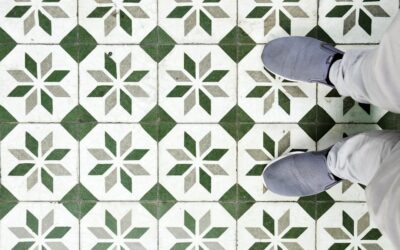
Moroccan or encaustic patterns: Patterned tiles with repeating geometric or floral designs create walls that function almost as art installations. These are best used on a single accent wall because the visual intensity becomes overwhelming on multiple surfaces.
Vertical stack: Subway tiles or rectangular tiles stacked vertically rather than horizontally create a modern look that emphasizes height. This is a simple way to update the classic subway tile aesthetic.
Fish scale (scallop): Fan-shaped tiles arranged in overlapping rows create a distinctive, organic pattern popular in bohemian and coastal interiors. Available in both flat and dimensional profiles.
Best Materials for Tile Design Walls
Wall tile does not need to withstand foot traffic, which opens up material options beyond what floor tile requires:
Ceramic: The most affordable and versatile wall tile material. Ceramic is easy to cut, lightweight (important for wall installations), and available in virtually unlimited colors, shapes, and sizes. Glazed ceramic provides a smooth, colorful surface, while unglazed ceramic offers a natural, matte aesthetic.
Porcelain: Denser and more durable than ceramic, porcelain works well for wall applications that may be exposed to moisture, like shower walls and kitchen backsplashes. Large-format porcelain panels that replicate marble and concrete are especially popular for feature walls.
Natural stone: Marble, travertine, and slate offer organic beauty that manufactured tiles cannot fully replicate. Stone accent walls bring natural variation in color and veining that makes each installation unique. Sealing is required to protect natural stone from staining.
Glass tile: Translucent and reflective, glass tiles catch light in ways that opaque materials cannot. Glass mosaics in jewel tones or metallic finishes create luminous accent walls in bathrooms and kitchens.
Zellige: Handmade Moroccan clay tiles with an irregular, undulating surface that catches light beautifully. The slight imperfections are the point, creating walls with artisanal character. Zellige has become one of the most requested accent wall materials in recent years.
3D and textured tiles: Tiles with sculptural surface patterns, such as waves, diamonds, or organic forms, create walls with actual depth and shadow play. These are best used on accent walls where lighting can highlight the dimensional effects.
Installation Considerations
Installing a tile design wall differs from floor tile installation in several important ways:
Wall preparation: The wall surface must be flat, clean, and structurally sound. Drywall is acceptable for dry locations, but cement board or a waterproof membrane is required in wet areas like showers. Remove wallpaper, loose paint, and any surface contaminants before starting.
Tile weight: Heavy tiles (natural stone, large-format porcelain) require additional support. For tiles heavier than 15 pounds per square foot, the wall framing may need reinforcement, and using a polymer-modified thinset mortar with enhanced bonding strength is essential to prevent tiles from sliding before the mortar cures.
Layout planning: Dry-fit the tile pattern on the floor before starting the wall to verify the design, check for color consistency between boxes, and calculate cut pieces. Start installation from the center of the wall and work outward so any cut tiles at the edges are symmetrical.
Gravity matters: Unlike floor tile, wall tiles must resist gravity while the mortar cures. Use spacers and temporary support ledgers (a straight board screwed to the wall along the bottom row) to prevent tiles from sliding downward. Work from the bottom up and allow each section to set before adding rows above.
Grout selection: For accent walls, grout color is a design choice. Matching grout to the tile color creates a seamless look that emphasizes the tile shape and pattern. Contrasting grout highlights each individual tile and the pattern geometry. In wet areas, use an epoxy or high-performance grout that resists mold and mildew.
Lighting: Plan accent wall lighting before installation. Directional spotlights, recessed cans, or LED strip lighting dramatically enhance the visual impact of textured and three-dimensional tiles. The angle of light determines how shadows and highlights play across the tile surface.
Cost Breakdown
The cost of a tile design wall varies widely based on tile material, wall size, and pattern complexity. Here are 2026 price ranges for a typical 40-square-foot accent wall:
- Ceramic tile: $1 to $8 per square foot for materials. Installed: $5 to $15 per square foot. Total for 40 sq ft: $200 to $600.
- Porcelain tile: $3 to $15 per square foot for materials. Installed: $8 to $22 per square foot. Total for 40 sq ft: $320 to $880.
- Natural stone: $5 to $35 per square foot for materials. Installed: $12 to $40 per square foot. Total for 40 sq ft: $480 to $1,600.
- Glass mosaic: $8 to $30 per square foot for materials. Installed: $15 to $35 per square foot. Total for 40 sq ft: $600 to $1,400.
- Zellige tile: $12 to $30 per square foot for materials. Installed: $18 to $40 per square foot. Total for 40 sq ft: $720 to $1,600.
- 3D textured tile: $10 to $40 per square foot for materials. Installed: $18 to $50 per square foot. Total for 40 sq ft: $720 to $2,000.
Complex patterns like herringbone and chevron add 15 to 25 percent to installation labor costs compared to a straight stacked or running bond layout because they require more cuts and more precise alignment. Factor this into your budget when choosing intricate patterns.
Design Trends for 2026
The following trends are shaping tile design wall choices this year:
Organic shapes: Irregular, hand-formed tile shapes inspired by nature, including petal, leaf, and river-stone forms. These create walls with a handmade, artisanal quality that counters the precision of manufactured tile.
Tonal variation: Accent walls using a single tile shape in multiple shades of the same color (for example, five shades of blue arranged randomly) create depth and visual richness without introducing additional colors into the room palette.
Full slab walls: Large-format porcelain panels up to 5×10 feet that cover an entire wall with a single slab, creating the look of book-matched marble or seamless concrete with virtually no grout lines.
Mixed materials: Combining two or more tile types on a single accent wall, such as flat subway tile surrounding a panel of dimensional mosaic, creates layered visual interest that a single tile type cannot achieve.
Warm neutrals: After years of cool grey dominance, warm tones including terracotta, sand, mushroom, and warm white are trending for accent walls. These colors create inviting spaces that feel comfortable and timeless.
Bold grout: Using contrasting grout color as an intentional design element rather than trying to hide the grout lines. Black grout with white tile or dark grey grout with terracotta tile creates graphic patterns that highlight the geometry of the tile layout.
Frequently Asked Questions
Can you install an accent wall tile over drywall?
Yes, for dry locations like living room fireplace walls, entryways, and non-wet areas of bedrooms. Standard drywall provides an adequate substrate for lightweight ceramic and porcelain tiles when the surface is clean and primed. In wet areas like showers and tub surrounds, cement board or a waterproof membrane must replace or cover the drywall.
How much does a tile accent wall cost?
A typical 40-square-foot accent wall costs between $200 and $2,000 depending on the tile material and installation complexity. Ceramic subway tile in a running bond pattern is the most affordable option, while handmade zellige or three-dimensional sculptural tiles represent the high end. Labor typically adds $5 to $15 per square foot beyond material costs.
What is the best tile pattern for an accent wall?
Herringbone is the most versatile and visually impactful pattern for accent walls. It works with virtually any rectangular tile, adds movement and sophistication, and suits both traditional and contemporary spaces. For a more modern feel, a vertical stack bond or chevron pattern creates clean, geometric lines.
Can you DIY a tile accent wall?
A simple accent wall with subway tile or peel-and-stick tile is a manageable DIY project for homeowners with basic skills. Complex patterns, large-format tiles, and natural stone installations benefit from professional installation due to the precision cutting and leveling required. In wet areas, professional installation ensures proper waterproofing that prevents costly water damage.
How do you maintain a tile accent wall?
Dust the wall periodically with a soft cloth or microfiber duster. For cleaning, wipe with a damp cloth and mild cleaner. Seal natural stone tiles and grout lines annually to prevent staining. Bathroom accent walls benefit from regular ventilation to prevent mold growth on grout. Overall, tile accent walls are among the lowest-maintenance design features you can install.
Prefer to explore on your own?
See how new flooring looks in your actual room in seconds — free, no signup.
Try the free Floor Studio →