A single field of one tile can look flat and builder-grade, which is why designers reach for accents to add depth, define zones, and turn an ordinary floor into a focal point. Used well, floor accent tile creates a tiled “rug” under a dining table, a decorative border around a room’s perimeter, or a patterned medallion at an entry that makes the whole space feel custom. Used badly, it looks busy and dates fast. This guide covers the main ways to use accent tile, which materials hold up underfoot, and how to plan and price the work.
Part of our Tile & Grout guide — explore the full guide →
Ways to Use Accent Tile on Floors
Accents work because they break up a large field in a deliberate way. The most common applications are:
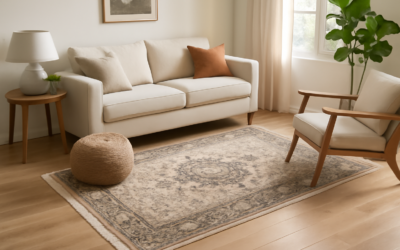
- Inlaid “rugs”: A patterned or contrasting block of tile defining a dining or entry zone
- Borders: A contrasting band tracing the perimeter of a room or framing the rug
- Medallions: A circular or geometric centerpiece, often at a foyer or under a chandelier
- Transition strips: Decorative bands marking the shift between two rooms or materials
- Mixed patterns: Encaustic or mosaic tiles set within a plain porcelain field
The trick is restraint, one strong accent per space reads as intentional design, while three competing accents read as clutter.
Choosing the Right Material
Not every decorative tile belongs on a floor. Because accents take foot traffic, they need the same durability as the field tile around them. Stick to floor-rated materials: porcelain and dense ceramic with a PEI 3-5 rating handle traffic, while glass and delicate glazed mosaics are better reserved for low-traffic spots or vertical use.
Natural stone and encaustic cement tiles make stunning accents but need sealing and gentle cleaning. For wet areas like bathrooms and entries, confirm the accent carries a DCOF slip rating of 0.42 or higher, since a glossy decorative insert becomes a hazard the moment it gets wet.
Planning the Layout
Accent work lives or dies on the dry layout. Before any thinset goes down, a good installer dry-lays the field and the accent on the floor, marks a true center line, and confirms the rug or medallion sits symmetrically in the room and lines up with furniture and sightlines. Getting this wrong by even an inch is glaringly obvious once the floor is set.
Pay attention to tile thickness, too. Mixing a thick stone accent with a thin porcelain field creates lippage you can trip on, so either match thicknesses or have the installer back-butter and shim to bring the surfaces flush. Pattern tiles like encaustic also need careful dye-lot and orientation checks so the design reads cleanly.
Color and Pattern Strategy
Contrast is what makes an accent register. A border or rug only works if it’s distinctly different from the field, whether through color, finish, or pattern. Pair a matte field with a polished accent, a neutral floor with a patterned inlay, or a light tile with a dark border to frame the space.
Keep the broader room in mind: an accent should pick up a color already present in cabinetry, countertops, or trim so it feels connected rather than random. Bold encaustic patterns make a strong statement but commit you to a look, so view a large sample in the actual room before ordering a full medallion.
What It Costs
Accent tile carries two cost premiums: the tile itself and the labor to set it. Decorative mosaics, encaustic, and stone accents commonly run $10-$40 per sq ft for materials, well above a $2-$5 field porcelain. Because the area is small, the material hit is usually modest in dollar terms.
Labor is the bigger factor. Installers charge more for the precise cutting, layout, and lippage control accent work demands, often adding $5-$15 per sq ft over standard field-tile labor for medallions and intricate borders. Budget for about 10-15% waste on patterned tile, since matching and cutting consume more material.
Installation and Maintenance Tips
Hire an installer who can show you photos of past accent or medallion work, because clean borders and symmetrical inlays are a real skill. Insist on a dry layout you can approve before they set anything, and use a movement joint where the floor meets walls and cabinets so the tile can expand without cracking the pattern.
Seal natural stone and cement accents on installation and reseal periodically, and clean the whole floor with a neutral pH cleaner to protect both grout and decorative surfaces. Avoid acidic cleaners on stone and cement tile, which etch and dull the very accents you paid extra for.
Popular Accent Tile Styles
Certain materials have become signature choices for floor accents. Encaustic and cement-look porcelain tiles, with their bold geometric and Moroccan-inspired patterns, make striking inlaid rugs in entries, laundry rooms, and powder rooms; the porcelain versions give the look without the sealing and fragility of real cement tile. Marble and stone mosaics, basketweave, hexagon, or chevron, lend a classic, upscale feel to bathroom floors and borders.
For a transitional or modern home, a simple contrasting border in a darker porcelain frames a room cleanly without competing with the field. Penny-round and hexagon mosaics work beautifully as small-scale accents or full feature areas, while a mixed terrazzo-look tile adds color and movement as a centerpiece. Whatever the style, order from a single dye lot so the accent reads consistently across the floor.
Common Mistakes to Avoid
A few errors turn an accent from feature to eyesore. The biggest is mismatched thickness, setting a thick stone medallion into a thin porcelain field creates a raised lip you’ll catch your toe on, so always confirm thicknesses or have the installer shim and back-butter to bring surfaces flush. The second is overdoing it: more than one bold accent per room reads as visual chaos.
Skipping the dry layout is another costly slip, because an off-center rug or a border that dies awkwardly into a doorway is glaringly obvious once set in mortar. Finally, don’t use a decorative tile that isn’t floor-rated; a beautiful glass or soft glazed insert that scratches, cracks, or turns slippery underfoot defeats the purpose. Confirm PEI and slip ratings before you fall for the look.
The Bottom Line
Well-chosen floor accent tile turns a plain field into a designed space through inlaid rugs, borders, and medallions, but only when you keep it to one focused statement, use floor-rated and slip-safe materials, and insist on a precise dry layout. Spend a little on a striking accent and a lot on a skilled installer, and the result reads as custom craftsmanship rather than busy decoration.
Prefer to explore on your own?
See how new flooring looks in your actual room in seconds — free, no signup.
Try the free Floor Studio →