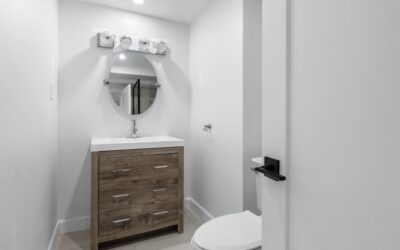
Tiling your toilet or bathroom walls protects against moisture damage while adding style and value. Whether you’re tiling a small powder room or a full master bathroom, the right wall tile choice makes the space feel larger, brighter, and easier to maintain.
Half-Wall vs Full-Wall Tiling
Half-Wall (Wainscoting)
Tiling the lower 36 to 48 inches of the wall is the most common approach for toilets and half-baths. It protects the area most exposed to splashing while keeping costs manageable. A chair rail or bullnose trim caps the top edge for a finished look. Paint the upper wall in a complementary color.
Full-Wall (Floor to Ceiling)
Tiling from floor to ceiling creates the most seamless, waterproof, and visually impactful result. This approach is standard in shower areas and increasingly popular in entire bathrooms. Full-wall tiling makes small bathrooms feel more cohesive and luxurious.
Accent Wall
Tile one wall — typically the wall behind the toilet or vanity — and paint the remaining walls. This creates a focal point without the cost of tiling every surface. Use a statement tile (patterned, textured, or bold color) on the accent wall.
Best Tile Materials for Bathrooms
- Porcelain: Best overall choice. Less than 0.5% water absorption, extremely durable, available in every style. Ideal for any bathroom wall.
- Glazed ceramic: More affordable than porcelain with excellent water resistance on the glazed surface. Perfect for walls where standing water isn’t a concern.
- Glass mosaic: Waterproof, reflective, and stunning. Makes small bathrooms feel larger and brighter. Use as accents or full walls.
- Natural stone: Marble, travertine, and slate bring luxury character. Requires sealing and more maintenance than ceramic or porcelain.
Tile Size for Small Bathrooms
Tile size dramatically affects how large or small a bathroom feels:
- Large-format (12×24 or bigger): Fewer grout lines make the space feel more open and less busy. The current trend for modern small bathrooms.
- Medium (4×12 subway): Versatile and classic. Works in any size bathroom without overwhelming small spaces.
- Small mosaic (1×1 to 2×2): Best used as accent bands or niche liners. Full walls of tiny tiles can make small rooms feel cluttered.
For most small toilets and powder rooms, medium to large tiles create the best visual effect.
Color Palettes
Light and Bright
White, cream, light gray, and pale blue tiles reflect light and make small bathrooms feel more spacious. This is the safest, most timeless approach for powder rooms and small toilets.
Bold and Dramatic
Navy, emerald green, matte black, or rich terracotta create statement bathrooms. Bold colors work especially well in powder rooms and half-baths where the smaller space amplifies the design impact.
Warm Neutrals
Beige, taupe, warm gray, and sand tones create a spa-like atmosphere. Pair with natural wood vanities and brass fixtures for a contemporary, welcoming look.
Patterned
Encaustic, Moroccan, and geometric patterned tiles create eye-catching feature walls. Use on one wall or the floor to avoid overwhelming the space.
Popular Patterns
- Subway (running bond): Timeless, clean, works everywhere
- Vertical subway: Modern twist that makes ceilings feel higher
- Herringbone: Adds movement and visual interest
- Stack bond: Grid pattern for a contemporary, minimal look
- Basketweave: Classic pattern for traditional bathrooms
Installation Tips
- Use waterproof cement board or foam board behind tiles in wet zones
- Apply waterproof membrane in shower areas and around tubs
- Choose epoxy grout for maximum water and mold resistance
- Plan layout to avoid thin slivers of tile at edges — center the pattern
- Install tiles before the toilet for a cleaner look (tile under where the toilet sits)
- Use bullnose or metal trim to finish exposed tile edges cleanly
Maintenance
- Wipe tiles regularly with a damp cloth to prevent water spot buildup
- Clean grout monthly with a grout cleaner or baking soda paste
- Seal cement grout every 1 to 2 years (epoxy grout needs no sealing)
- Seal natural stone tiles every 6 to 12 months
- Ventilate the bathroom after showers to reduce humidity and prevent mold
Cost
- Ceramic tiles: $1 to $5 per square foot
- Porcelain tiles: $3 to $10 per square foot
- Glass mosaic: $8 to $25 per square foot
- Installation: $6 to $15 per square foot (including prep and grout)
A small powder room (20 to 40 square feet of wall area) costs $200 to $800 installed with ceramic or porcelain — an affordable upgrade that dramatically improves both appearance and practicality.
Prefer to explore on your own?
See how new flooring looks in your actual room in seconds — free, no signup.
Try the free Floor Studio →