Bright white kitchens dominated for over a decade, but the design pendulum has swung firmly toward warmth, depth, and richer tones. Trending kitchen colors for 2026 lean into earthy greens, deep navies, soft burgundies, and creamy off-whites that feel collected rather than sterile. The cool gray and stark white era is officially fading from new builds and remodels. Below are the palettes designers and paint manufacturers are actually specifying right now, with paint codes you can take straight to the hardware store and pairing notes that prevent expensive mistakes.
Part of our Kitchen Remodeling guide — explore the full guide →
The Big Shift: Warmth Replaces Cool Neutrals
Sherwin-Williams, Benjamin Moore, and Behr all named warm-toned colors as their 2026 picks. Sherwin-Williams went with Quietude (a soft sage), Benjamin Moore selected Cinnamon Slate (a muted plum-brown), and Behr chose Rumors (a deep cherry red). The unifying thread: every major color authority moved away from cool grays and crisp whites toward saturated, earth-grounded tones.
Real-world adoption is following. Kitchen showrooms in major US metros report cool-gray cabinet specifications dropping by 60% since 2023, replaced by warm whites, sage, and dark blue.
Top Trending Kitchen Color Palettes
Warm Off-White and Cream
Stark white kitchens look dated almost immediately now. Replace them with creamy whites that have warm undertones. Try Benjamin Moore White Dove (OC-17), Sherwin-Williams Alabaster (SW 7008), or Farrow & Ball Pointing (No. 2003). Pair with brass hardware, oak floors, and warm-toned countertops like quartz with cream veining.
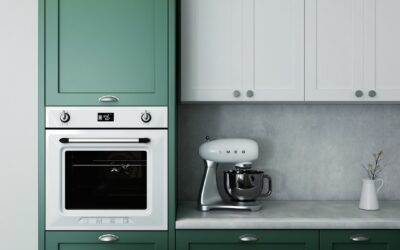
Sage and Earthy Green
Sage green is the runaway winner for cabinet color in 2026. It reads neutral enough to live with for years, but adds the warmth and personality stark white lacks. Top picks include Sherwin-Williams Evergreen Fog (SW 9130), Benjamin Moore Saybrook Sage (HC-114), and Farrow & Ball Pigeon (No. 25).
Pair sage cabinets with white quartz, brass or matte black hardware, and natural wood accents. White subway tile or soft beige stone backsplash both work.
Deep Navy and Inky Blue
Dark blue cabinets remain popular but are evolving toward more saturated, almost-black tones. Benjamin Moore Hale Navy (HC-154), Sherwin-Williams Naval (SW 6244), and Farrow & Ball Hague Blue (No. 30) lead the category. Use on lower cabinets only or on a kitchen island with white uppers to keep the space from feeling heavy.
Burgundy and Cherry Red
Behr’s 2026 color of the year (Rumors, S140-7) signals a bigger trend toward warm reds in kitchens. Burgundy and oxblood cabinets feel sophisticated and unexpected — Benjamin Moore Pomegranate (2000-10) and Farrow & Ball Eating Room Red (No. 43) are designer favorites. Best as accent cabinets, pantry doors, or single feature walls. A full kitchen in deep red overwhelms most spaces.
Mushroom and Greige
For people not ready to commit to color, a step beyond gray is mushroom — a warm taupe with brown and gray undertones. Benjamin Moore Revere Pewter (HC-172), Sherwin-Williams Accessible Beige (SW 7036), and Farrow & Ball Strong White (No. 2001) all work. Pairs with almost anything and reads warm without screaming “color.”
Black Cabinets with Warm Accents
Pure black cabinets look striking but tricky to pull off. Soften with warm wood floors, brass or copper hardware, and cream walls. Benjamin Moore Onyx (2133-10) and Sherwin-Williams Tricorn Black (SW 6258) are both undertone-neutral picks that don’t read blue or green.
Two-Tone Kitchens Stay Strong
Mixing colors between upper cabinets, lower cabinets, and the island remains popular. Common 2026 combinations:
- White uppers + sage lowers + butcher block island
- Cream uppers + navy lowers + waterfall quartz island
- Light wood uppers + black lowers + marble island
- Warm white uppers + burgundy island only
- Mushroom uppers + cream lowers + walnut island
The 60-30-10 rule helps: 60% dominant color, 30% secondary, 10% accent. Skip the temptation to use four or more colors — it usually reads chaotic in photos.
Wall Colors That Pair with Trending Cabinets
Walls don’t need to compete with cabinets. Most trending kitchen designs use understated wall paint to let cabinetry stand out.
- Sage cabinets: warm white walls (BM White Dove or SW Alabaster)
- Navy cabinets: creamy white or pale grayish-blue walls
- Burgundy cabinets: warm cream or soft taupe walls
- Black cabinets: pale warm white or soft mushroom walls
- White cabinets: any color works — choose accent based on backsplash and floor tones
Color Trends to Skip in 2026
Some popular palettes from the last decade now read dated.
- Stark all-white kitchens: still functional but no longer fresh
- Cool gray cabinets: heavy and cold compared to current warm tones
- Pure beige (yellow-undertoned): the early 2000s look
- Espresso brown cabinets: dated and visually heavy
- High-contrast black-and-white only: needs warmth to feel current
If you’re remodeling, refreshing cabinets to a current color is one of the highest-return investments — repainted cabinets can recoup 70-90% of cost in resale appeal.
Backsplash and Countertop Pairings
The full kitchen reads as a system. Get the cabinet color right, then balance it with backsplash and counter choices.
- Sage cabinets + Calacatta quartz + warm white zellige tile: the most-photographed palette of 2026
- Navy lowers + quartz with brown veining + cream subway tile: classic with warmth
- Warm white cabinets + butcher block counter + brick backsplash: cottage-modern
- Burgundy island + white perimeter + marble counters + simple white tile: bold without overload
- Mushroom cabinets + leathered black granite + cream stone backsplash: tonal and sophisticated
Hardware and Fixture Tones
Brass dominates 2026 kitchens, but the finish has shifted from polished to brushed and unlacquered. Polished chrome and bright nickel are out. Matte black still works as a secondary metal. Mixed metals are acceptable when one finish dominates — use brass for cabinet pulls and faucets, matte black for light fixtures, but don’t introduce a third metal.
Sample Before You Commit
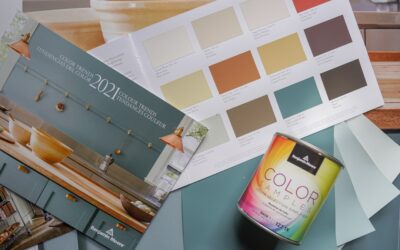
Always paint large 12×12 inch samples on poster board and tape them in the kitchen. View them in morning light, evening light, and under your kitchen’s actual artificial lighting. Most paint colors shift dramatically between LED, halogen, and natural light. A sage that looks soft at the store may read olive or yellow in your kitchen.
Order professional sample paints from the brand you’ll use — peel-and-stick samples from Samplize ($5-10 each) save the cost and mess of mixing test pints.
Frequently Asked Questions
What’s the most timeless kitchen color?
Warm off-white (Benjamin Moore White Dove, Sherwin-Williams Alabaster) is the closest to timeless. It’s been popular for 80+ years and never feels dated when paired with current hardware and counters.
Are colored cabinets harder to sell when listing my home?
Sage, navy, and warm white sell well in 2026. Bold colors like burgundy or deep red appeal to fewer buyers but get strong reactions from those who love them. Repainting in neutral before listing typically isn’t necessary anymore.
Should I match wall and ceiling colors in the kitchen?
Painting ceilings the same color as walls (or 50% lighter) is a 2026 trend that makes small kitchens feel taller. Skip stark white ceilings if your walls are warm-toned — the contrast looks unfinished.
How often should I update kitchen paint colors?
Every 7-10 years for walls, every 12-15 years for cabinets. More frequent updates make a kitchen feel chaotic and reduce the cohesion that good design requires.