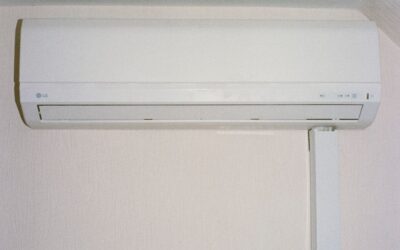
When you need to cool a room, an addition, or a whole house without tearing walls open for ductwork, a ductless system is often the smartest answer. An AC mini split pairs an outdoor condenser with one or more indoor units to deliver quiet, efficient, room-by-room cooling. This guide explains how an AC mini split works, how to size and choose one, what it costs, and why installation belongs to a professional.
- What a Mini Split Is
- How It Cools So Efficiently
- Single-Zone vs. Multi-Zone
- Sizing by BTU
- SEER Ratings and Efficiency
- What It Costs
- Indoor Unit Styles
- Why You Need a Professional Installer
- Maintenance Basics
- Mini Split vs. Window AC vs. Central Air
- Common Uses for an AC Mini Split
- Managing Humidity and Comfort
- Quick Answers to Common Questions
- The Bottom Line
What a Mini Split Is
A mini split is a ductless air conditioning system with two main parts: an outdoor condenser/compressor and one or more indoor air-handling units mounted inside the rooms you want to cool. A small conduit carrying refrigerant lines, wiring, and a condensate drain connects them through a roughly 3-inch hole in the wall. Because there are no ducts, the cool air goes straight into the room, avoiding the 20-30% energy loss typical of leaky ductwork. Most mini splits are actually heat pumps that both cool and heat, but many buyers install them primarily for air conditioning.
How It Cools So Efficiently
The efficiency comes from two things: no duct losses, and inverter-driven compressors. Instead of switching fully on and off like a traditional AC, an inverter compressor continuously varies its speed to match the exact cooling demand. That keeps room temperature rock-steady, avoids the energy spike of constant restarts, and dramatically cuts electricity use. The result is far lower operating cost than window units or older central systems.
Single-Zone vs. Multi-Zone
Mini splits come in two basic layouts:
- Single-zone: one outdoor unit paired with one indoor head, cooling a single room or open area. Simple, efficient, and the cheapest to install.
- Multi-zone: one outdoor unit connected to two, three, or more indoor heads, each controlled independently. This cools multiple rooms from a single condenser and lets everyone set their own comfort.
Choose single-zone for one problem room and multi-zone when you want to cool several spaces with independent control.
Sizing by BTU
Getting the size right is critical. Cooling capacity is measured in BTU, and units range from about 9,000 to 36,000 BTU. As a rough guide, plan for 20-25 BTU per square foot:
- 9,000 BTU: roughly 350-450 sq ft (bedroom, office)
- 12,000 BTU (1 ton): roughly 450-550 sq ft
- 18,000 BTU (1.5 ton): roughly 700-1,000 sq ft (large room, open plan)
- 24,000 BTU (2 ton): roughly 1,000-1,300 sq ft
Adjust for ceiling height, sun exposure, insulation, and window count. Oversizing is a real mistake: a too-large unit cools quickly then shuts off before removing humidity, leaving the room cold and clammy. Right-sizing keeps both temperature and humidity comfortable.
SEER Ratings and Efficiency
Cooling efficiency is measured by SEER2 (Seasonal Energy Efficiency Ratio). Higher numbers mean lower bills:
- SEER2 16-18: budget-friendly, still efficient
- SEER2 19-22: the popular midrange
- SEER2 23+: premium units with the lowest running costs
A higher SEER2 costs more upfront but saves every summer, so weigh your climate and how much you run the AC.
What It Costs
Budget for equipment plus professional installation:
- Single-zone 9,000-12,000 BTU: about $2,000-$4,000 installed
- Single-zone 18,000-24,000 BTU: about $2,500-$5,500 installed
- Multi-zone (2-3 heads): about $4,000-$8,000+ installed
Equipment alone is a fraction of that; labor, the line set, electrical, and mounting make up the rest.
Indoor Unit Styles
The indoor head comes in several forms to suit different rooms:
- Wall-mounted: the most common and most affordable
- Ceiling cassette: recessed into the ceiling for a clean look
- Floor-mounted: good where wall space is limited
- Concealed duct: hidden in a ceiling or closet, feeding short duct runs to a few rooms
Why You Need a Professional Installer
A standard mini split is not a DIY job. Connecting the refrigerant line set, evacuating the lines with a vacuum pump, and charging the system all require an EPA Section 608-certified technician by law. The unit also needs a dedicated 208/240V circuit and an outdoor disconnect, which should be wired by a licensed electrician. Poor installation causes weak cooling, refrigerant leaks, and voided warranties. DIY pre-charged kits exist but still demand careful work, and most manufacturers require professional installation to honor the warranty.
Maintenance Basics
Keep an AC mini split running efficiently by cleaning the washable indoor filters every few weeks, rinsing the outdoor coil gently with a hose, keeping the condensate drain clear, and running fan-only mode after cooling to dry the interior and prevent mold. Schedule an annual professional check of the refrigerant charge and coils.
Mini Split vs. Window AC vs. Central Air
Understanding where a mini split fits helps you decide if it is right for you:
- Window AC: cheapest to buy and install yourself, but noisy, blocks a window, less efficient, and cools only one room. Good for temporary or budget needs.
- Mini split: more expensive upfront and needs professional installation, but far quieter, much more efficient, permanently mounted, and offers precise room-by-room control. It also heats.
- Central air: cools the whole house through ducts and hides the equipment, but is costly to install where ducts do not exist and loses energy through duct leakage.
A mini split is the standout choice for homes without ducts, additions, and rooms that a central system cannot keep comfortable. It also avoids the disruption and expense of retrofitting ductwork into a finished home, which can cost as much as the equipment itself.
Common Uses for an AC Mini Split
Mini splits solve a range of everyday cooling problems:
- Cooling an addition or converted garage that the central system does not reach
- Taming a hot upstairs bedroom or bonus room
- Conditioning a sunroom, home office, or finished basement
- Replacing noisy, inefficient window units
- Cooling a whole home with no existing ductwork using a multi-zone setup
- Supplementing central air in a room that always runs warm
Managing Humidity and Comfort
Beyond raw cooling, a well-sized mini split does an excellent job controlling humidity, which is a big part of how comfortable a room feels. Because inverter compressors run at low, steady speeds for long stretches rather than blasting and shutting off, the unit spends more time pulling moisture out of the air. Many models also include a dedicated dry or dehumidify mode for humid days when you want moisture removal without much temperature drop. The key is correct sizing: an oversized unit cools so fast it barely dehumidifies, leaving the room cold and damp. Match the BTU to the space, and a mini split delivers the dry, even comfort that window units struggle to provide.
Quick Answers to Common Questions
How many BTU do I need? About 20-25 BTU per square foot. That means roughly 9,000 BTU for 350-450 sq ft, 12,000 for 450-550, 18,000 for 700-1,000, and 24,000 for 1,000-1,300 sq ft.
Does a mini split heat as well as cool? Most are heat pumps that do both. If you only need cooling, you still buy the same hardware, but the heat mode is a useful bonus.
Can I install one myself? Standard systems require an EPA-certified technician to connect and charge the refrigerant lines, plus a dedicated 208/240V circuit. DIY pre-charged kits exist but most warranties require professional installation.
Why is my room cold but humid? The unit is oversized and cools before it can dehumidify. Correct sizing fixes clammy comfort.
What does it cost? Roughly $2,000-$4,000 installed for a small single-zone unit, up to $8,000+ for multi-zone systems.
How long do they last? A well-maintained mini split commonly runs 15 to 20 years. Cleaning the filters regularly and having a technician check the refrigerant charge and coils annually is the key to reaching the top of that range.
Are mini splits noisy? No. Quality indoor heads are among the quietest cooling options available, often barely audible on low fan speed, which is why they work so well in bedrooms and offices.
The Bottom Line
An AC mini split delivers efficient, quiet, ductless cooling with precise room-by-room control, making it ideal for additions, problem rooms, and homes without ducts. Size it honestly to your square footage to avoid the humidity problems of oversizing, aim for SEER2 19 or higher for lower bills, and always use a licensed, EPA-certified installer on a dedicated circuit. Done right, it is one of the most comfortable and economical ways to cool your home.