If pure white feels too stark and gray feels too cool, antique white grout hits the warm, inviting middle ground that designers reach for again and again. This soft off-white carries a gentle cream or beige undertone that flatters everything from classic subway tile to natural stone, and as a practical bonus it disguises everyday dirt far better than a bright, cool white. It is the grout color for people who want clean and bright without the constant upkeep.
Part of our Tile & Grout guide — explore the full guide →
This guide explains what sets antique white apart, where it works best, how it compares to brighter and darker options, and how to seal and maintain it so the warm tone stays consistent for years.
What Antique White Grout Is
Antique white is a warm off-white, distinct from snow white or bright white, which read pure and cool. The subtle cream, ivory, or beige undertone gives it a softer, slightly aged character, hence the name. It sits between stark white and light tan on the color scale. You can get it in standard grout types: cement-based sanded grout for wider joints, unsanded grout for narrow ones, and epoxy grout for maximum stain resistance. The warm tone makes it one of the most versatile and forgiving neutral grout colors available.
Why Homeowners Choose It
The appeal is part looks and part practicality. Key reasons people pick this shade include:
- It hides dirt and discoloration better than bright white, since its warm tone masks light grime and soap film.
- It reads softer and warmer, avoiding the clinical feel pure white can give a room.
- It pairs beautifully with cream, beige, travertine, and warm-toned tile.
- It complements both classic and transitional styles, feeling timeless rather than trendy.
For busy kitchens and family bathrooms, that built-in forgiveness is a major advantage over its brighter cousin.
How It Compares to Other Grout Colors
Choosing a grout color is really about contrast and maintenance. Here is where antique white lands:
- Versus snow white: warmer, softer, and noticeably better at hiding dirt, though slightly less crisp and bright.
- Versus gray: warmer and lighter, better for cozy and classic looks where gray would feel cool or modern.
- Versus matching the tile exactly: a near match creates a seamless surface, while a slight contrast subtly highlights the tile pattern.
- Versus dark grout: far brighter and more open, but it shows more grime than a deep charcoal would.
For most warm-toned tile, antique white delivers the bright, clean look people want with less of the maintenance burden of true white.
Where It Works Best
The warm neutral suits a wide variety of spaces. It shines with cream and beige subway tile, travertine and warm stone-look porcelain, hexagon and mosaic floors in classic baths, and farmhouse or transitional kitchen backsplashes. Because it hides dirt better than bright white, it is a smart choice for floors and high-traffic areas where pure white would quickly look grubby. It also softens busy or patterned tile, tying a design together without the visual jolt that stark white joints can create against warm tones.
Sealing and Protecting the Color
Even though it hides dirt well, cement-based antique white grout is still porous and benefits greatly from sealing. A penetrating sealer keeps spills and grime from soaking into the joint, preserving the even warm tone and making cleaning easier. Apply sealer after the grout fully cures, usually a few days, per the product directions, and reapply periodically, especially in showers and kitchens. For the lowest maintenance in wet areas, consider epoxy grout, which is non-porous and naturally stain resistant. Whatever you choose, consistent sealing prevents the patchy discoloration that makes any grout look tired.
Cleaning and Maintenance
A light routine keeps the warm tone looking fresh. Build these simple habits:
- Wipe backsplashes and counters regularly to clear grease before it builds up.
- Squeegee or wipe shower walls after use to limit soap scum and mildew.
- Clean with a pH-neutral cleaner and a soft grout brush; skip harsh acids that can erode grout.
- Ventilate bathrooms well to discourage the mildew that discolors any grout.
- Re-seal on the recommended schedule to maintain protection.
Because the warm undertone masks minor grime, you can often go longer between deep cleans than you could with pure white, though regular wiping still keeps it at its best.
Pairing Antique White With Different Tile
The beauty of this warm neutral is how widely it pairs, but a little intention sharpens the result. Consider how it reads against various tile:
- White and cream subway tile: a near-seamless, soft look that avoids the starkness of bright white joints.
- Travertine and warm stone: a natural match that preserves the earthy, organic feel.
- Terracotta and warm-toned floors: complementary warmth that ties the surface together.
- Patterned or encaustic tile: a gentle frame that highlights the pattern without competing with it.
It works less naturally with very cool, stark white or icy gray tile, where the warm undertone can look slightly dingy by comparison. When in doubt, hold a grout sample against your actual tile in the room’s lighting, since the interplay of undertones determines whether the pairing feels harmonious or just a little off.
Mixing and Application for Consistent Color
Like any colored grout, antique white shows its best when mixed and applied consistently. Keep each batch to the same water ratio and consistency, because variations can shift the cured shade and leave patchy areas that undermine the uniform warm tone. Mix enough for a full section at once rather than several small, slightly different batches.
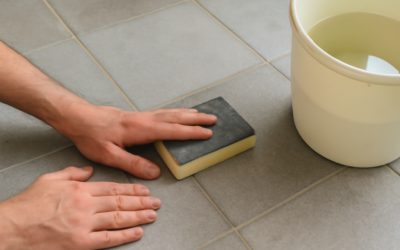
As you grout, clean the tile faces promptly but do not over-sponge the joints, which can pull cement to the surface and cause blotchy, uneven color. Allow full curing before sealing and before heavy water exposure. Because off-whites can vary subtly between dye lots, buy enough grout for the whole job from the same lot, and keep a record of the exact product and color in case you need to patch or extend the work later. These small disciplines keep the finished joints looking even and intentional.
Is Antique White Grout Right for You?
If you want a bright, clean look that feels warm rather than clinical and is more forgiving of daily life, antique white grout is an excellent, versatile choice that pairs with a huge range of tile. Confirm the exact shade against your tile and lighting before committing, since off-whites vary between brands and dye lots and can shift once cured. Seal cement-based grout diligently or opt for epoxy in wet areas, follow the grout and sealer manufacturers’ instructions for mixing and curing, and test any cleaner in a hidden spot first. With the right product and a simple maintenance routine, this warm neutral keeps your tile looking polished for many years.