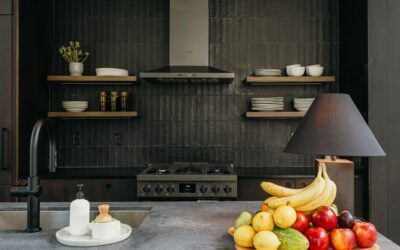
A dark backsplash can either anchor a kitchen with drama or make it feel like a cave, and the difference comes down to a handful of design decisions. A black backsplash kitchen reads as bold, modern, and high-contrast when balanced correctly, turning the wall behind your counters into a striking focal point. This guide covers the materials, pairings, and care that keep a black backsplash looking intentional rather than overwhelming.
Part of our Kitchen Remodeling guide — explore the full guide →
- Why Choose a Black Backsplash
- Popular Black Backsplash Materials
- Pairing Black With Cabinets
- Choosing the Right Countertop
- Lighting Is Essential
- Grout Color Choices
- Cleaning and Maintenance
- Adding Metallic and Warm Accents
- Matte Versus Glossy Finishes
- Popular Layout and Tile Shapes
- Making a Small Kitchen Work
- Budget and Material Costs
- The Bottom Line
Why Choose a Black Backsplash
Black brings instant sophistication and depth. It hides minor stains and splatters better than white in everyday use, creates dramatic contrast against light cabinets, and gives a sleek, contemporary edge. In the right kitchen, it photographs beautifully and feels custom. The key is to use it where there is enough light and contrast to keep the space from feeling closed in.
Popular Black Backsplash Materials
Black comes in many textures and finishes, and each delivers a different mood:
- Matte black subway tile: Clean, modern, and forgiving of fingerprints.
- Glossy black tile: Reflects light to keep things bright, but shows water spots more readily.
- Black slate or stone: Natural texture and subtle color variation for an organic look.
- Black herringbone or hexagon tile: Adds pattern and movement so the dark surface is not flat.
- Black glass or quartz slab: A seamless, easy-to-clean continuous surface.
Pairing Black With Cabinets
Contrast is your friend. The most reliable combinations balance the dark backsplash with lighter or warmer elements:
- White cabinets: The classic high-contrast pairing that keeps the kitchen bright and crisp.
- Wood cabinets: Natural oak or walnut warms up the black and softens the look.
- Gray cabinets: A tonal, moody scheme that feels modern and cohesive.
- Two-tone cabinets: Light uppers and dark lowers let the backsplash tie both together.
If your cabinets are also dark, lean on lighter countertops and plenty of lighting to prevent the room from feeling heavy.
Choosing the Right Countertop
The countertop is the bridge between cabinets and backsplash. A white or light gray quartz with subtle veining pops against black tile and reflects light back into the room. Butcher block adds warmth. A continuous black countertop and backsplash creates a dramatic monolithic look, but it demands strong lighting and light cabinetry to stay balanced. Wood and metallic accents keep an all-dark scheme from feeling flat.
Lighting Is Essential
Dark surfaces absorb light, so a black backsplash kitchen needs layered lighting to shine. Install under-cabinet lighting to wash the backsplash and brighten the work surface. Add pendant lights over an island and ensure good overhead ambient light. With strong lighting, even a glossy black tile sparkles; without it, the wall disappears into shadow.
Grout Color Choices
Grout dramatically changes the effect. Matching black grout makes the backsplash read as a single seamless surface, modern and minimal. A contrasting gray or white grout highlights each tile and the pattern, emphasizing texture and craftsmanship. Decide whether you want the wall to read as one bold block or as a defined geometric pattern.
Cleaning and Maintenance
Black hides crumbs and stains but reveals dust, water spots, and streaks, especially on glossy finishes. Keep care simple: wipe with a microfiber cloth and a mild cleaner, dry the surface to prevent water marks, and avoid abrasive pads that can dull the finish. Matte black tile is the most forgiving for daily cleaning. Seal natural stone backsplashes to protect against grease.
Adding Metallic and Warm Accents
Black is a powerful neutral, but on its own it can read cold. The trick to a warm, layered black backsplash kitchen is to introduce metallic and natural accents that catch the light. Brass and gold hardware glows against a dark tile, copper pots and fixtures add warmth, and even a few open wood shelves break up the darkness. Stainless steel appliances and matte black faucets create a cohesive modern palette, while a strip of metallic tile or a bronze range hood gives the eye a focal point. These accents keep the room feeling rich rather than heavy.
Matte Versus Glossy Finishes
The finish you choose changes both the look and the upkeep. Glossy black tile reflects light, which helps a dark backsplash feel brighter and more open, but it also shows water spots, fingerprints, and grease more readily, so it needs frequent wiping. Matte black tile absorbs light for a softer, more contemporary look and hides smudges far better, though it can look flatter in a poorly lit room. Many homeowners split the difference with a satin or honed finish, which offers some sheen without the constant spot-cleaning of high gloss.
Popular Layout and Tile Shapes
The tile shape and layout influence how dramatic the black backsplash feels. A classic horizontal subway layout reads clean and timeless, while a vertical stack or herringbone pattern adds modern energy and movement. Large-format black slabs and oversized tiles minimize grout lines for a sleek, seamless wall, which is especially striking behind a range. Smaller mosaic and hexagon tiles introduce texture and catch the light at different angles, keeping the dark surface from looking like a flat void. Choose a simple layout for a refined backdrop, or a geometric pattern when you want the backsplash itself to be the conversation piece.
Making a Small Kitchen Work
You can use black in a compact kitchen if you balance it carefully. Reserve the dark backsplash as an accent, keep cabinets and counters light, maximize natural and task lighting, and use reflective finishes to bounce light around. A black backsplash on a single wall behind the range can add drama without shrinking the room.
Budget and Material Costs
A black backsplash can fit almost any budget depending on the material you choose. Ceramic and porcelain subway tile in black is among the most affordable, often a few dollars per square foot before installation. Glass tile and patterned mosaics cost more, and a continuous black quartz or stone slab sits at the top of the range because it requires fabrication and professional installation. Peel-and-stick options offer the lowest entry price for renters and quick refreshes, though they lack the durability of real tile. Factor in grout, adhesive, edge trim, and labor if you are not doing the work yourself, and get the full picture before committing to a material.
The Bottom Line
A black backsplash kitchen delivers bold, modern impact when you balance the dark surface with lighter cabinets or countertops and back it up with strong, layered lighting. Choose the finish and grout that match the mood you want, plan your contrast carefully, and keep a microfiber cloth handy. Done right, it becomes the most striking feature in the room.