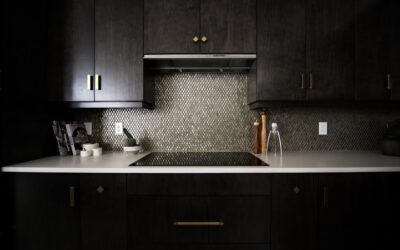
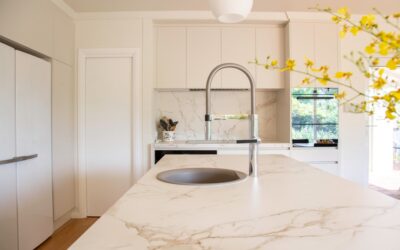
Dark kitchens moved from bold experiment to mainstream default in the last five years. Realtor.com data shows dark cabinetry now accounts for roughly 30 percent of new kitchen remodels, and listings with dark kitchens sell for an average of 2.9 percent more than comparable white-kitchen homes. The best dark kitchen ideas deliver that moody, high-end magazine look without turning the space into a cave, and the difference between success and failure almost always comes down to three details: cabinet color depth, countertop contrast, and lighting layers.
Part of our Kitchen Remodeling guide — explore the full guide →
This guide covers the palette moves, materials, and hardware choices that make dark kitchens feel intentional and livable instead of dim and dated.
Choosing Your Dark Cabinet Color
Not all dark is the same. A matte black cabinet reads industrial. A deep navy reads traditional. A forest green reads English country. Pick the undertone that matches the rest of your home, not just the trending color of the year.
- Benjamin Moore Hale Navy — the top-selling dark kitchen color, soft blue-black undertone
- Sherwin-Williams Tricorn Black — true black, no undertone, very modern
- Farrow & Ball Studio Green — deep forest with gray undertone, traditional and rich
- Benjamin Moore Iron Mountain — warm charcoal, reads neutral in any light
- Farrow & Ball Railings — inky blue-black, most-photographed kitchen color of the decade
Sample every color on a 2 by 2 foot board and live with it for a week in both morning and evening light. Kitchen colors shift dramatically between daylight, warm LED, and overhead fluorescent.
Two-Tone Cabinet Layouts
Full-dark kitchens can feel heavy if the room lacks natural light. Two-tone layouts solve this without giving up the drama.
Dark Lower, Light Upper
Black or navy base cabinets paired with white or cream uppers is the classic safe move. The dark anchors the room visually while the light uppers keep the sight line airy. This layout photographs well and appeals to the widest pool of future buyers.
Dark Island, Light Perimeter
Keep perimeter cabinets white and commit to a dramatic dark island — Hale Navy, emerald green, or oxblood red. The island becomes a furniture-grade statement piece without overwhelming the whole kitchen.
All-Dark with Wood Accents
Black or deep green cabinets with a walnut or white oak island front adds warmth and softens the contrast. This is the current high-end look, especially in homes with wide-plank wood floors. Pair it with our hardwood flooring recommendations for a cohesive palette.
Countertops That Work With Dark Cabinets
The counter choice either lifts the room or lets it collapse into darkness. The safest and most striking options fall into three categories.
- White or cream quartz — Caesarstone Pure White or Cambria Brittanicca provide maximum contrast and reflect light
- Veined marble look — Calacatta Laza Quartz or genuine Carrara marble add movement and luxury
- Butcher block or wood — walnut or maple warm up the space and soften the dark cabinetry
- Matching dark stone — soapstone or honed black granite for a monolithic, tone-on-tone look only in bright, well-windowed kitchens
Avoid busy granites with multiple colors when pairing with dark cabinets. They fight each other visually. A single-color or subtly-veined surface wins.
Backsplash Strategy
The backsplash is the rescue device in a dark kitchen. It injects contrast, pattern, or shimmer that breaks up what would otherwise be a wall of cabinets.
- White subway tile — classic, high contrast, $2 per sq ft
- Marble mosaic — Carrara herringbone or hex mosaic adds texture
- Zellige tile — handmade Moroccan tile in white or soft green reflects light unevenly for charm
- Slab backsplash — full-height marble or quartz that matches the counter for a high-end seamless look
- Brass or stainless steel — reflective metal backsplash in a tight area like behind the range
For design inspiration across kitchen surfaces see our backsplash and countertop guides.
Hardware Finishes
Hardware in a dark kitchen is jewelry. It catches the eye against the matte cabinet color and sets the style direction.
- Unlacquered brass — warm, traditional, develops patina over time
- Aged or antique brass — less maintenance than living brass but keeps the warmth
- Matte black — monolithic, modern, almost disappears into dark cabinets
- Polished nickel — cool and sparkly, pairs well with navy
- Bronze — masculine and moody, excellent with green cabinets
Budget $8 to $25 per pull or knob. Spending up here is worth it — cheap hardware immediately reveals itself, while quality pulls from Rejuvenation, Emtek, or Schoolhouse read custom.
Lighting Layers Are Non-Negotiable
Dark kitchens absorb light. A single overhead fixture that worked fine in your old white kitchen will feel dim the moment the new cabinets are installed. Plan four lighting layers from day one.
- Recessed ceiling lights — 4-inch LED cans in 3000K, one per 25 sq ft of floor
- Under-cabinet LED strips — 24-inch Philips Hue or GE under every upper cabinet run
- Pendants over the island — two or three at 30 to 34 inches above the counter
- Accent lighting — in-cabinet glass-front uppers, toe-kick LEDs, or a picture light on a small feature wall
Put everything on dimmers. A dark kitchen at full brightness during dinner prep and soft-dimmed during a dinner party is the room that wins compliments.
Flooring and Final Touches
Wide-plank white oak flooring is the most common pairing for dark kitchens because the warm wood grain balances the cool saturated cabinets. Light herringbone tile and natural limestone also work. Avoid very dark wood or black tile floors with dark cabinets unless the kitchen gets abundant natural light — the effect can close in quickly.
Finish the room with open shelving in wood or brass, a statement range hood, and natural textures like linen Roman shades, a rush-seat counter stool, or a jute runner. Those final warm materials prevent the dark kitchen from feeling austere and land the look in the “moody and inviting” category rather than “cold and imposing.”