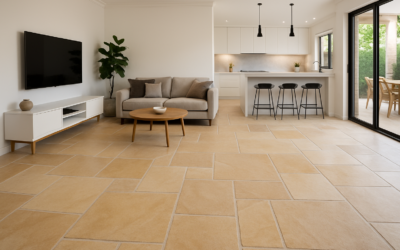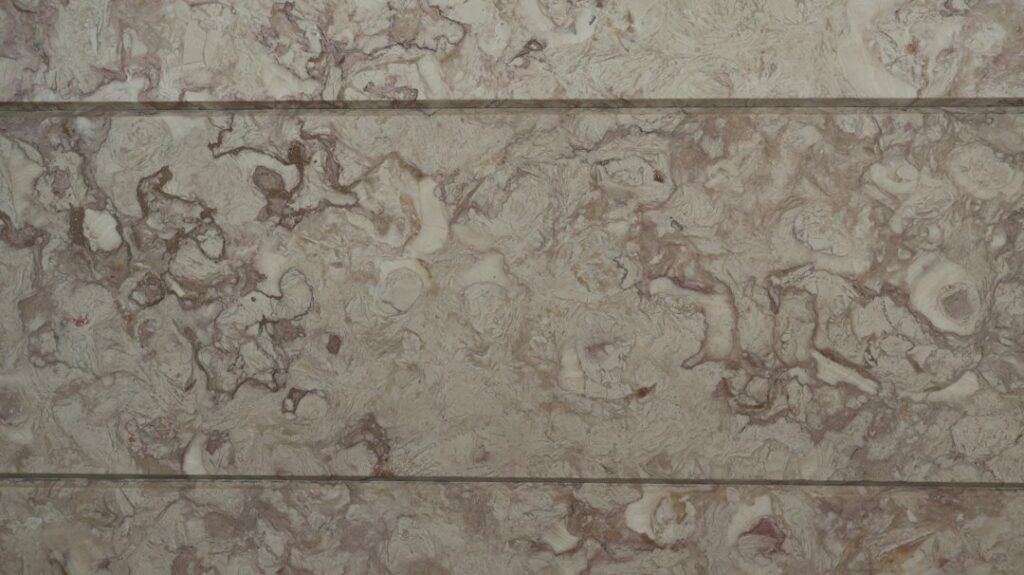
A cracked hearth is rarely the stone’s fault. Most failures come from a slab that was too thin for its span, set on a hollow bed, or sized smaller than the ember zone in front of the firebox. Picking a fireplace hearth stone is really three decisions: a material that tolerates radiant heat and the occasional rolling ember, a slab large enough to meet your local hearth extension rules, and a setting method that supports every square inch of it.
For most wood-burning fireplaces, granite and slate are the safest all-around picks. Granite is dense, hard and nearly indifferent to heat at hearth temperatures. Slate splits into naturally flat, dark slabs that hide soot. Sandstone and bluestone bring a softer, rustic look but need sealing. Marble is beautiful and works fine on many hearths, yet it etches from acidic spills and can scorch or discolor if logs sit right against it.
- Choosing a Fireplace Hearth Stone by Material
- How Big the Hearth Slab Must Be
- Thickness, Raised Hearths and One-Piece Slabs
- Tools and Materials for Setting a Stone Hearth
- Steps to Install a Fireplace Hearth Stone
- Fire and Structural Safety Around the Hearth
- Troubleshooting Common Hearth Stone Problems
- Cost Ranges for a Natural Stone Fireplace Hearth
- Fireplace Hearth Stone FAQ
Choosing a Fireplace Hearth Stone by Material
All natural stone is noncombustible, so any of these slabs can serve as a hearth extension. The differences show up in heat tolerance, stain resistance, maintenance and how the stone looks after ten winters of firewood traffic.
Granite
Granite for a fireplace hearth is the low-maintenance favorite. It is an igneous stone formed under intense heat, so radiant warmth from a fire does not bother it, and its hardness shrugs off dropped logs and fireplace tools. A polished granite fireplace hearth stone shows ash and fingerprints, so many homeowners choose a honed or leathered finish instead. Sealing once every year or two keeps soot and creosote smudges from soaking in.
Slate
A slate fireplace hearth has been standard in older homes for good reason. Slate is fine-grained, splits along flat planes, and comes in charcoal, green-gray and rusty tones that disguise ash. Choose a dense, low-absorption grade; cheaper slates can flake (spall) at the surface when wet wood or melting snow sits on them. A penetrating sealer and an occasional coat of stone enhancer keep it looking rich.
Sandstone and bluestone
Sandstone hearths for fireplaces suit cottages, cabins and farmhouse rooms. The stone is porous, so it drinks up soot and spilled drinks unless sealed, and a soft sandstone can wear where log baskets drag. Bluestone, a dense sandstone common in the Northeast, is tougher and more consistent. Both look best with a thermal or natural cleft face rather than a polish.
Marble
A marble fireplace hearth gives a formal room a light, refined base. Marble handles normal hearth heat well, but it is calcium carbonate, which means wine, citrus or harsh cleaners etch it, and direct flame or a hot ash pan left on the surface can leave yellowing. It works best in front of gas inserts or lightly used wood fireplaces. Honed marble hides etching better than polished marble.
Quick comparison
| Stone | Heat and wear | Upkeep |
|---|---|---|
| Granite | Excellent | Seal every 1 to 2 years |
| Slate | Very good (dense grades) | Seal yearly, check for flaking |
| Bluestone | Very good | Seal yearly |
| Sandstone | Good, softer surface | Seal yearly or more |
| Marble | Good, can discolor | Seal yearly, avoid acids |
How Big the Hearth Slab Must Be
The hearth extension is the noncombustible zone in front of and beside the firebox opening that catches embers and sparks. Most US jurisdictions adopt a model residential code with similar rules for masonry fireplaces:
- For a firebox opening smaller than 6 square feet, the hearth typically extends at least 16 inches in front of the opening and 8 inches past each side.
- For an opening of 6 square feet or larger, those numbers usually rise to 20 inches in front and 12 inches on each side.
- Factory-built fireplaces and wood stove inserts follow the hearth dimensions in the manufacturer’s installation manual, which can be larger or include an insulating value (R-value) requirement.
Measure the opening height times width to find its area, then add your extension. A 36-inch by 30-inch opening is 7.5 square feet, so you would plan for a hearth at least 60 inches wide (36 plus 12 on each side) and 20 inches deep. Many people go a few inches larger for proportion, since a hearth stone slab that barely meets the minimum often looks undersized. Local codes vary, so confirm the dimensions with your building department before ordering stone.
Thickness, Raised Hearths and One-Piece Slabs
A one-piece hearth has no grout lines to crack or collect ash, which is the main reason people choose a solid slab over tile. Thickness depends on how the slab is supported:
- Flush hearth on a full mortar bed: 3/4 inch (2 cm) granite or 1 inch slate works if every inch is supported by mortar over a solid substrate.
- Raised hearth over a block or framed base: 1 1/4 inch (3 cm) granite, or 1 1/2 to 2 inch bluestone or slate, resists cracking where the slab spans small gaps.
- Cantilevered or floating hearth: 2 inches or more, with the slab anchored into masonry and the overhang kept short. This is a design best handled by a mason or engineer.
Pay attention to the thermal layer underneath. In older masonry fireplaces, the hearth extension often needed a total of about 2 inches of noncombustible material over the floor framing. If your fireplace is a factory-built unit, the manual may call for a specific R-value of protection, which a thin stone slab alone does not provide. In that case you build up a layer of cement board or a rated hearth pad underneath, then set the stone on top.
Weight matters too. Granite runs roughly 13 pounds per square foot at 3/4 inch thickness and close to 20 pounds at 1 1/4 inch. A 60 by 20 inch slab at 3 cm weighs around 165 pounds, so plan for two or three people to carry it and confirm the floor framing below can carry the load. Sagging joists will crack any stone.
Tools and Materials for Setting a Stone Hearth
- Stone slab cut to size, with edges finished (eased, beveled or bullnose)
- 1/2 inch cement board and cement board screws, if building up over a wood subfloor
- Polymer-modified thinset or a mortar bed mix rated for natural stone (white thinset for light marble)
- Large-notch trowel, 4 foot level, rubber mallet, straightedge
- Shims or plastic spacers, stone-safe silicone for perimeter joints
- Penetrating stone sealer
- Gloves, safety glasses and a dust mask for cutting cement board
Steps to Install a Fireplace Hearth Stone
- Check the base. Confirm the floor is flat within about 1/8 inch over 10 feet and the framing is solid. Remove carpet, pad and any wood flooring under the hearth area; stone should never sit on combustible finish flooring in front of a wood-burning firebox.
- Build up the substrate. Screw cement board to the subfloor in a bed of thinset if you need height or the thermal layer your fireplace manual requires. Stagger layers so seams do not line up.
- Dry fit the slab. Set the stone in place with helpers, check the overhang at each side and the gap at the firebox face. Leave about 1/8 inch at walls for movement.
- Back-butter and comb the bed. Spread thinset on the substrate with the notched trowel and skim a thin coat on the back of the slab. For an uneven slate or bluestone back, use a thicker mortar bed instead of thinset so the stone is fully supported.
- Set and level. Lower the slab straight down, then tap it with the rubber mallet and check level in both directions. Wipe away squeeze-out before it hardens.
- Cure. Keep traffic off for at least 24 hours and do not light a fire for the cure time on the mortar bag, often several days to a week.
- Seal. Once cured and dry, apply penetrating sealer, let it soak in, and buff off the excess. Fill the perimeter joint with stone-safe silicone.
If you would rather skip the substrate work in front of a freestanding stove, a prefabricated stone slab hearth pad is a reasonable alternative, as long as its listed ember and thermal protection matches what the stove manual asks for.
Fire and Structural Safety Around the Hearth
A stone hearth is one layer of a fire protection system, not the whole thing. Keep rugs, baskets of kindling, and decorative accessories outside the hearth zone. If you add accent lighting near the fireplace, use only UL-listed fixtures and power supplies sized with headroom for the load, and keep LED strips and their drivers away from the firebox, never coiled or covered. Install carbon monoxide alarms on every level and near sleeping areas, and have the chimney or vent inspected every year.
Structurally, the slab needs full support and a floor that will not flex. Raised hearths should sit on a block or properly framed base tied to the structure, and any cantilevered hearth should be anchored into masonry by a qualified mason. Changes to a hearth extension can require a permit, especially when a new stove or insert is part of the job.
Troubleshooting Common Hearth Stone Problems
- Hairline crack across the slab: usually a hollow spot or floor deflection. Tap the stone with a coin; a dull sound means voids. A crack that does not move can be filled with color-matched epoxy.
- Slate surface flaking: wet wood and freeze-thaw moisture from boots. Seal more often and keep wet wood off the hearth.
- Dark soot stains: clean with a pH-neutral stone cleaner or a poultice; avoid acidic cleaners on marble and limestone-based stones.
- Slab rocks when stepped on: the bed was not full contact. It usually needs to be lifted and reset.
- White haze around the edges: efflorescence from the mortar bed. Brush it off dry and let the bed finish drying out.
Cost Ranges for a Natural Stone Fireplace Hearth
Prices vary widely by region and stone. As a general guide, a fabricated slab hearth often lands in the low hundreds for a small remnant of granite or slate and climbs toward the low thousands for a large, thick slab of premium marble or a custom-cut bluestone with a bullnose edge. Remnants from countertop fabricators are an excellent value for hearths, since most hearths need less than 10 square feet. Professional installation adds labor for substrate prep, carrying and setting, and more if a raised base must be built.
Fireplace Hearth Stone FAQ
What is the best stone for a fireplace hearth?
Granite is the most forgiving choice for a wood-burning fireplace because it is hard, dense and unbothered by hearth heat. Dense slate is a close second and hides ash well.
Can marble be used for a fireplace hearth?
Yes. Marble is noncombustible and handles typical hearth temperatures, but it etches from acids and can discolor under direct flame or hot ash, so it suits gas or lightly used fireplaces best.
How thick should a hearth stone slab be?
Use 3/4 inch to 1 inch on a full mortar bed, 1 1/4 inch or more on a raised base, and 2 inches or more for any overhanging design. Thickness alone does not replace any thermal protection your fireplace manual requires.
Does a stone hearth need to be sealed?
Most natural stone benefits from a penetrating sealer. Granite needs it every year or two, while slate, sandstone, bluestone and marble usually need it yearly.
Can I lay a hearth stone directly on a wood subfloor?
Not directly. Build up a cement board layer or a rated hearth pad that meets the required thermal protection, then set the stone on a full bed of mortar.