Dingy, discolored grout can make an otherwise spotless tile floor or backsplash look tired, no matter how hard you scrub. Grout dye, sometimes called grout colorant or grout stain, is a pigmented sealer that bonds to cured grout to change its color and seal it in one step, giving you fresh, uniform lines without the mess and expense of regrouting. It can restore stained grout to like-new condition or completely change the color to match a new design scheme.
Part of our Tile & Grout guide — explore the full guide →
This guide explains how grout dye works, how to apply it for lasting results, and when it is the right call versus replacing the grout entirely.
What Grout Dye Is and How It Works
Grout dye is an epoxy or acrylic-based colorant formulated to penetrate and coat cementitious grout. Unlike a topical paint, a quality grout dye bonds to the porous grout surface, forming a durable, color-fast layer that also seals the grout against moisture and stains.
The key requirement is that it only works on cement-based grout, not on epoxy grout or sealed surfaces, because it needs a porous material to grip. Once applied and cured, the dye creates a permanent color that resists fading, cleaning chemicals, and everyday wear far better than the original cement color.
Why Choose Grout Dye Over Regrouting
The appeal comes down to cost, speed, and results. Regrouting means grinding out the old grout, a dusty and labor-intensive job, then applying new grout and waiting for it to cure. Grout dye skips all of that.
- Cost: A bottle of grout dye covers a typical room for a fraction of the cost of professional regrouting.
- Speed: You can recolor a backsplash or small floor in a single afternoon.
- Uniformity: Dye evens out blotchy, inconsistent grout into one clean color.
- Sealing: Most dyes seal as they color, adding stain and moisture resistance.
- Design flexibility: You can go darker, lighter, or a completely different shade.
The trade-off is that dye only fixes the color and seal. If grout is cracked, crumbling, or missing, it must be repaired or replaced first.
What You Need Before Starting
Good preparation separates a professional-looking result from a smeared mess. Gather your supplies first.
- Grout dye in your chosen color
- A grout brush, toothbrush, or the applicator tip provided
- A grout cleaner and a stiff scrub brush
- Clean rags and a bucket of water
- A utility knife or razor scraper for cleanup
- Gloves and good ventilation
How to Apply Grout Dye
The process is straightforward, but the prep step is where most people cut corners and regret it. The dye will only bond to clean, dry grout.
- Deep clean the grout. Scrub the lines with grout cleaner to remove all dirt, soap scum, grease, and old sealer. Rinse and let it dry completely, ideally 24 hours.
- Test a small area. Apply dye to an inconspicuous spot to confirm color and adhesion.
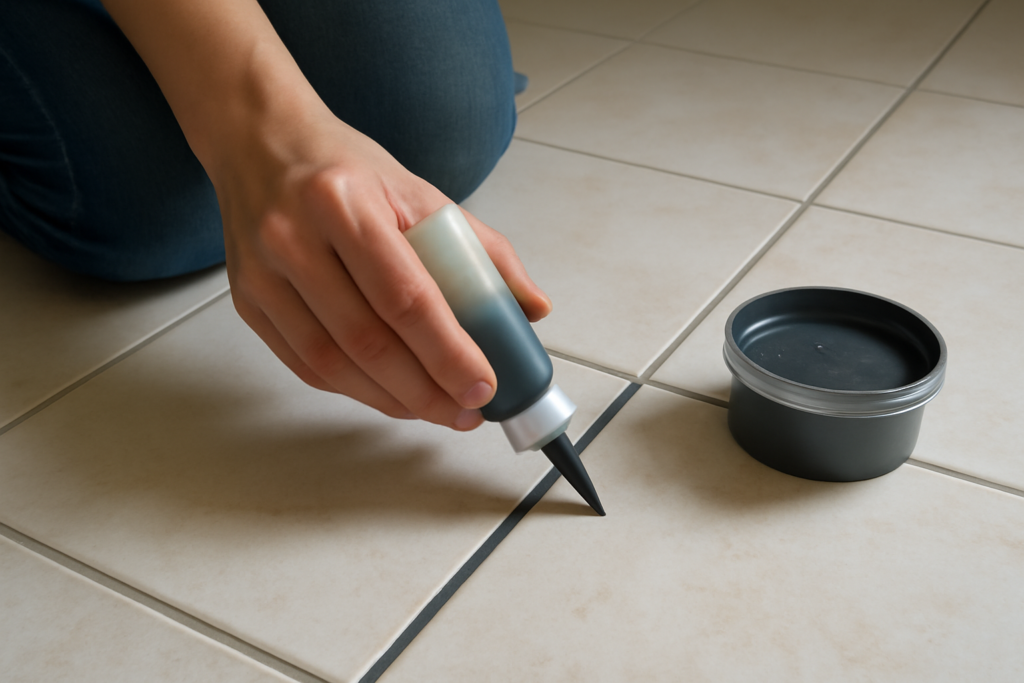
- Apply the dye. Work the colorant into the grout lines with the applicator or brush, coating thoroughly and staying in the grout.
- Wipe excess promptly. Remove dye that strays onto tile with a damp rag before it dries. On textured or porous tile, wipe immediately and carefully.
- Let it cure. Allow the dye to dry and cure per the manufacturer’s instructions, often a few hours before light use and up to 24 hours before heavy use or water exposure.
- Scrape stubborn spots. Once cured, a razor can clean dried dye off glazed tile.
Work in a ventilated area, wear gloves, and follow the product label, since epoxy-based dyes carry stronger fumes.
Durability and What to Expect
A properly applied grout dye lasts a long time, often 10 to 15 years, because it bonds chemically and seals the grout. It resists fading, holds up to regular cleaning, and stands up to foot traffic far better than the bare cement it covers.
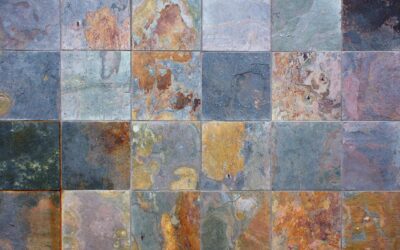
Results depend heavily on prep. Dye applied over dirty or sealed grout can peel or wear unevenly, which is the most common failure. On floors, high-traffic paths may show wear sooner than protected areas. On glazed tile, cleanup is easy, but porous, textured, or natural stone tile can absorb the dye and stain, so always test first and consider whether dye is appropriate for your surface.
Cost Compared to Alternatives
Grout dye is one of the most cost-effective tile refreshes available. A bottle typically runs $15 to $40 and covers a generous amount of grout line, often enough for a backsplash or a small bathroom. Even a larger floor usually stays well under $100 in materials.
By contrast, professional regrouting can run several dollars per square foot once you factor in removal labor, and full retiling costs far more. For grout that is structurally sound but simply stained or the wrong color, dye delivers a dramatic improvement at a tiny fraction of those costs.
Choosing the Right Color
Color choice is where grout dye becomes a design tool rather than just a repair. You can match the original grout to refresh a tired floor invisibly, or you can change the look entirely. Darker grout hides dirt and stains far better than light grout, which is why so many people switch stained white grout to gray or charcoal.
A contrasting grout color, such as dark lines against light tile, emphasizes the pattern and gives a bold, modern feel, while a matching tone makes the tile read as one seamless surface. Before committing, test your chosen color on a hidden area and let it cure, since dyes can dry slightly different from the wet sample. Keep in mind that you generally cannot lighten grout much with dye, only deepen or recolor it, so when in doubt, going a shade darker is the safer and more forgiving choice.
When to Skip the Dye
Grout dye is not a cure-all. If the grout is cracked, crumbling, or has gaps, repair or replace it before considering color. If you have epoxy grout, dye will not bond. And in areas with active leaks or moisture problems behind the tile, address the underlying issue first, since no surface treatment fixes water intrusion. For everything else, though, grout dye is a fast, affordable way to make tired tile look brand new again. Follow the prep steps, test before you commit, and you will get years of fresh, uniform grout.