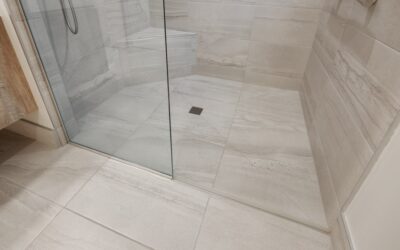
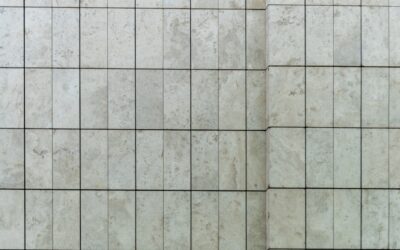
Shiny tile looks great in the showroom and then shows every smudge, water spot, and reflection once it is on your floor. Matte porcelain tile takes the opposite approach, trading glossy shine for a soft, non-reflective finish that hides smudges, resists slips, and reads as effortlessly modern. It has become the go-to choice for bathrooms, kitchens, entryways, and anywhere safety and a contemporary look matter. If you are weighing matte against polished, or just want to understand what you are buying, here is a clear breakdown of the benefits, best uses, and how to keep it clean.
- What Makes a Finish Matte
- The Main Benefits of Matte Porcelain
- Matte vs Polished Porcelain
- Best Places to Use Matte Porcelain Tile
- Design and Color Considerations
- How to Clean Matte Porcelain Tile
- Sealing and Long-Term Care Myths
- Slip Ratings and Choosing for Wet Areas
- Is Matte Porcelain Tile Right for You
What Makes a Finish Matte
Porcelain itself is a dense, low-porosity ceramic fired at very high temperatures, which is what gives it durability and water resistance. The finish is a separate property. A matte tile has a flat, non-reflective surface, achieved either through the natural unglazed body of the tile or a matte glaze, rather than the buffed, mirror-like surface of a polished tile.
That lack of shine is the entire point. Where polished tile reflects light and shows fingerprints, water droplets, and dust, matte tile scatters light softly. The result is a surface that looks consistent and clean throughout the day without constant wiping to maintain its appearance.
The Main Benefits of Matte Porcelain
The flat finish brings several practical advantages that matter in real homes:
- Slip resistance: The textured, non-glossy surface offers better grip, especially when wet, making it safer for bathrooms and entryways.
- Hides smudges and water spots: Fingerprints, footprints, and dried water are far less visible than on polished tile.
- Modern, understated look: Matte reads contemporary and sophisticated, pairing well with current design trends.
- No glare: Without reflections, lighting in the room feels softer and the tile color stays true.
- Durability: Like all porcelain, it resists scratches, moisture, and heavy wear.
For a busy household, the combination of slip resistance and smudge-hiding is reason enough to choose matte over a high-gloss alternative.
Matte vs Polished Porcelain
The choice between the two comes down to look, safety, and upkeep. Polished porcelain delivers a glossy, luxurious shine that makes colors pop and reflects light to brighten a room, but it shows every smudge and becomes slippery when wet. Matte sacrifices that glamorous shine for practicality, offering better grip and far less visible mess.
There is also a maintenance nuance. Polished tile wipes perfectly smooth but constantly reveals new fingerprints, so it demands frequent cleaning to look its best. Matte hides daily smudges but its slight texture can hold onto grime in the surface, so it benefits from periodic deeper cleaning. Neither is harder overall, they just show dirt in opposite ways. For floors, bathrooms, and high-traffic areas, matte is usually the smarter pick; for accent walls and low-traffic feature areas, polished can shine.
Best Places to Use Matte Porcelain Tile
The finish’s strengths make it ideal for specific spaces. Consider matte porcelain for:
- Bathroom floors and showers: Slip resistance is critical where water is constant.
- Kitchens: Hides footprints and water spots in a high-traffic, often wet area.
- Entryways and mudrooms: Grip and dirt-hiding matter where shoes track in water and grit.
- Open-plan living areas: The no-glare, modern look suits large continuous floors.
- Outdoor patios and pool surrounds: Textured matte and structured finishes provide essential traction.
Large-format matte tiles with minimal grout lines are especially popular for creating a seamless, contemporary floor across kitchens and living spaces.
Design and Color Considerations
Matte porcelain comes in nearly every look imaginable, from concrete and stone effects to wood-look planks and marble reproductions. The flat finish makes stone and concrete looks especially convincing because real stone and concrete are not glossy, so a matte surface reads as more authentic than a shiny imitation would.
Color behaves a little differently on matte. Without reflections, colors appear deeper and more even, and the surface stays true under different lighting. Light matte tiles make a space feel airy and modern, while dark matte tiles, like charcoal or graphite, deliver a bold, sophisticated floor. Grout color is your chance to either blend the tiles into a seamless field or define them as a grid, so choose it intentionally.
How to Clean Matte Porcelain Tile
Matte tile is easy to maintain, but it asks for slightly different habits than polished. Because the surface has microtexture, grime can settle in, so regular cleaning keeps it looking its best. Follow these steps:
- Sweep or vacuum frequently to remove grit that can dull the surface and lodge in the texture.
- Mop with warm water and a pH-neutral cleaner; avoid waxy or oily cleaners that leave a film matte tile can hold onto.
- For ground-in grime, use a soft-bristle brush rather than an abrasive pad that could mar the surface.
- Rinse with clean water after mopping to remove cleaner residue, which can make matte tile look hazy.
- Keep grout sealed in wet areas so it stays clean and resists staining.
Skip the harsh acidic and bleach-heavy cleaners, which are unnecessary on porcelain and can affect grout over time. A simple neutral cleaner and regular sweeping handle nearly everything.
Sealing and Long-Term Care Myths
A common question is whether matte porcelain needs sealing. The tile body itself does not, because true porcelain is dense and nearly non-porous, so it does not absorb water or stains the way natural stone does. What does benefit from sealing is the grout between the tiles, which is porous and the most likely place for stains and grime to take hold, especially in showers and kitchens.
There is one nuance worth knowing. Some matte and textured porcelain has a slightly more open surface that can be a touch harder to wipe perfectly clean than glass-smooth polished tile, which leads a few people to wrongly believe it needs sealing. It does not; it just needs occasional deeper cleaning with a soft brush. A penetrating grout sealer, reapplied periodically in wet areas, handles the part that actually matters.
Slip Ratings and Choosing for Wet Areas
If safety is a priority, look beyond the word “matte” to the tile’s slip rating. Manufacturers publish slip-resistance ratings, and for wet areas like shower floors, bathrooms, and pool surrounds you want a tile specifically rated for those conditions, often a structured or textured matte finish rather than a smooth one. Not all matte tile is equally grippy; a smooth matte floor tile is fine for a dry living room but may be too slick for a shower base.
For shower floors in particular, smaller mosaic-format matte tiles are a smart choice because the additional grout lines add traction underfoot. Matching a smooth large-format matte tile on the walls with a textured small-format tile on the floor gives you a cohesive look with the right grip exactly where you need it. Always confirm the rating for the specific application rather than assuming any matte tile is automatically safe when wet.
Is Matte Porcelain Tile Right for You
If you want a floor that is safe underfoot, easy to keep looking clean, and aligned with modern design, matte porcelain tile is one of the most sensible choices available. It trades the showroom glamour of polished tile for everyday practicality, hiding smudges, gripping wet feet, and bringing a soft, contemporary look to any room. Choose it for bathrooms, kitchens, and high-traffic floors, pick a color and grout that match your style, and keep up with simple regular cleaning. You will have a durable, good-looking floor that performs as well as it looks.
Prefer to explore on your own?
See how new flooring looks in your actual room in seconds — free, no signup.
Try the free Floor Studio →