
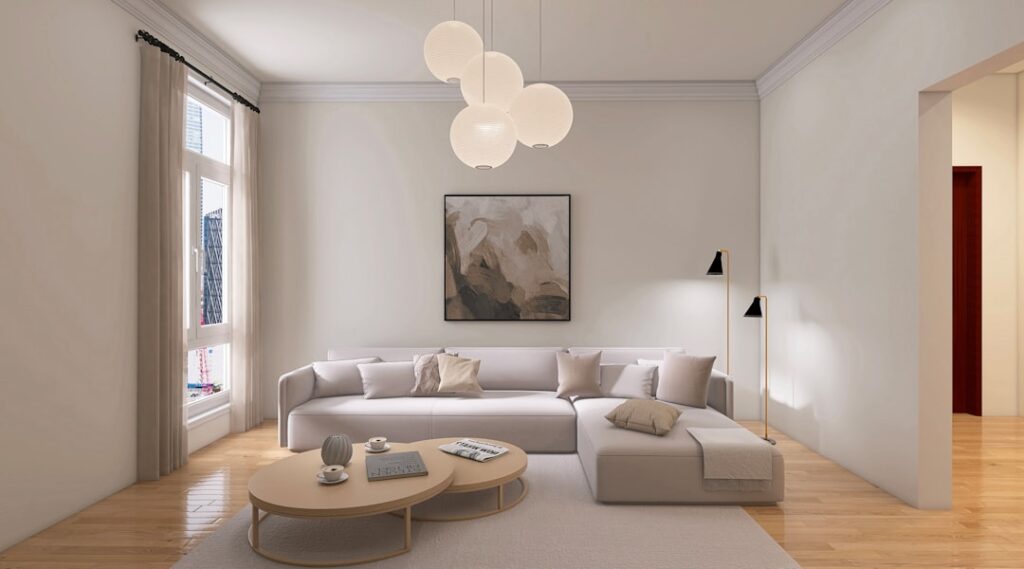
A minimalist living room is not about having nothing; it is about having only what matters. Every piece of furniture, every color choice, and every material is intentional, creating a space that feels calm, spacious, and deeply functional. Whether you are starting from scratch or decluttering an existing room, this 2026 guide gives you the tools to design a minimalist living room that feels warm and inviting, not cold and empty.
Core Principles of Minimalist Design
Before picking furniture and colors, understand the philosophy driving minimalist design:
- Function first: Every item in the room should serve a clear purpose. If it is not useful or genuinely loved, it does not belong.
- Quality over quantity: Invest in fewer, better pieces rather than filling the room with inexpensive items that clutter the space.
- Negative space matters: The empty space between objects is as important as the objects themselves. Do not feel compelled to fill every corner.
- Clean lines: Favor furniture with simple, geometric forms. Avoid ornate carvings, excessive curves, or fussy details.
- Material honesty: Let natural materials like wood, stone, leather, and linen speak for themselves rather than hiding them under heavy styling.
Best Color Palettes
Color is the foundation of a minimalist living room. The right palette creates calm without feeling sterile:
| Palette | Primary Colors | Accent Colors | Best For |
|---|---|---|---|
| Warm Neutral | White, cream, warm beige | Terracotta, rust, camel | Cozy, inviting minimalism |
| Cool Neutral | White, light gray, cool taupe | Navy, steel blue | Sleek, modern look |
| Monochrome | White, gray, charcoal | Black accents | High-contrast, gallery feel |
| Japandi | Warm white, sand, sage | Muted green, clay | Organic, nature-inspired |
| Scandinavian | Bright white, pale wood | Dusty rose, light blue | Airy, light-filled spaces |
The rule of thumb is to limit your palette to 3-4 colors maximum, with one dominant color covering 60% of the room (usually walls and ceiling), a secondary color at 30% (large furniture and flooring), and accent colors at 10% (accessories and small decor pieces).
Flooring Choices for Minimalist Living Rooms
Flooring is the largest visible surface in any living room, so it sets the entire tone of the space. Here are the best options for a minimalist aesthetic:
Light Hardwood
White oak, maple, and ash in natural or whitewashed finishes are the quintessential minimalist flooring choices. Wide planks (7 inches or more) with long lengths create fewer visual interruptions, enhancing the sense of calm and openness. Expect to pay $6-$14 per square foot for quality hardwood.
Polished Concrete
For a truly stripped-back industrial-minimalist look, polished concrete floors are hard to beat. They are durable, easy to maintain, and pair beautifully with warm textiles and wood furniture. Cost ranges from $3-$15 per square foot depending on finish level.
Large-Format Tile
Porcelain tiles in sizes like 24 by 48 inches or larger create a seamless, expansive floor surface. Choose muted, natural-stone-look tiles in gray, beige, or white for the most minimalist effect. Rectified edges allow for thin grout lines that nearly disappear.
Luxury Vinyl Plank
High-end LVP mimics hardwood at a fraction of the cost and offers waterproof performance. Look for realistic embossed textures and wide-plank formats. For other rooms where LVP shines, see our home gym flooring guide.
Satin Black Flooring
For bold minimalists who want to anchor the room with dark flooring, satin black hardwood or tile creates dramatic contrast with white walls. This approach demands excellent lighting and lighter furniture to avoid a cave-like feel.
| Flooring Type | Cost per Sq Ft | Maintenance Level | Minimalist Rating |
|---|---|---|---|
| Light Hardwood | $6-$14 | Medium | Excellent |
| Polished Concrete | $3-$15 | Low | Excellent |
| Large-Format Tile | $4-$12 | Low | Excellent |
| Luxury Vinyl Plank | $3-$7 | Low | Very Good |
| Satin Black Hardwood | $8-$16 | Medium-High | Very Good |
Essential Furniture Pieces
A minimalist living room needs only these core pieces:
Sofa
Choose a low-profile sofa with clean lines and slim arms. Neutral upholstery in performance fabric (linen-look polyester or boucle) balances aesthetics with durability. Standard sizing is 80-90 inches for a three-seater. Avoid sectionals unless the room demands one for seating capacity.
Coffee Table
A simple coffee table in natural wood, glass, or marble anchors the seating area. Round tables soften the linearity of minimalist rooms, while rectangular tables complement long sofas. Keep the surface mostly clear; one book and one small object is sufficient.
Media Console
A wall-mounted or floating media console eliminates visual weight at floor level. Choose one with concealed storage to hide cables, remotes, and media devices. Opt for a design with push-to-open doors rather than visible handles.
Accent Chair
One well-designed accent chair adds visual interest without clutter. Look for sculptural forms in leather or linen. Place it at an angle to the sofa for conversation-friendly arrangement.
Side Table
A single side table next to the sofa provides a landing spot for drinks and books. Pedestal styles or C-tables with thin metal frames maintain the open, airy feel.
Lighting Strategies
Lighting is critical in minimalist spaces because there are fewer objects to create visual warmth. Layer three types of lighting:
- Ambient: Recessed ceiling lights or a single oversized pendant create even, general illumination. Dimmers are essential for adjusting mood.
- Task: A slim floor lamp next to the reading chair or sofa provides focused light. Arc lamps are a minimalist classic.
- Accent: LED strip lights behind the media console or under floating shelves add a warm glow without additional fixtures cluttering the room.
Natural light is the cornerstone of minimalist design. Keep window treatments minimal: sheer curtains, roller blinds, or bare windows if privacy allows. Avoid heavy drapes with valances and tiebacks.
Minimalist Decor & Accessories
Minimalism means curating, not eliminating. Here are the accessories that earn their place in a minimalist living room:
- One large piece of art: A single oversized canvas or framed print makes a stronger statement than a gallery wall. Abstract, monochrome, or nature photography work best.
- One or two plants: A fiddle leaf fig, snake plant, or monstera adds organic warmth. Keep pots simple in white, black, or natural terracotta. For more plant ideas, see our bathroom plants guide.
- Textured textiles: A wool throw draped over the sofa arm and linen or boucle cushions add warmth and tactile interest without visual clutter.
- One sculptural object: A ceramic vase, a wooden bowl, or a stone sculpture on the coffee table provides a focal point.
The key rule: if you cannot see it from the doorway, it does not need to be there. Edit ruthlessly.
Smart Storage Solutions
Minimalism requires excellent storage so that daily-use items have a home out of sight:
- Built-in cabinets: Floor-to-ceiling built-ins with flush, handleless doors provide massive storage while appearing as a seamless wall.
- Floating shelves: One or two floating shelves for carefully curated display. Resist the urge to fill every inch.
- Hidden storage furniture: Ottomans with internal storage, lift-top coffee tables, and console tables with drawers keep clutter contained.
- Entryway management: A small bench or coat hook by the door prevents bags, shoes, and coats from migrating into the living room.
Budget Breakdown
Here is a realistic budget for furnishing a minimalist living room from scratch in 2026:
| Item | Budget Range | Mid-Range Pick |
|---|---|---|
| Sofa | $800-$4,000 | $1,500-$2,500 |
| Coffee Table | $150-$1,500 | $400-$800 |
| Accent Chair | $300-$2,000 | $600-$1,000 |
| Media Console | $200-$2,000 | $500-$1,000 |
| Lighting (3 fixtures) | $150-$1,500 | $300-$600 |
| Area Rug | $100-$2,000 | $300-$800 |
| Art | $50-$1,000 | $150-$400 |
| Accessories & Plants | $50-$300 | $100-$200 |
| Total | $1,800-$14,300 | $3,850-$7,300 |
Minimalism can actually save money. By buying fewer, better items, you avoid the cycle of replacing cheap furniture every few years. A $2,000 sofa that lasts 15 years costs less per year than a $600 sofa replaced every 4 years.
Frequently Asked Questions
How do I make a minimalist living room feel warm and not cold?
Warmth comes from materials and textures, not quantity. Use warm-toned wood, soft textiles like wool and linen, warm white paint (with yellow or pink undertones), and layered lighting with dimmers. Plants also add organic warmth. The key is choosing warm neutral colors rather than stark clinical whites.
What flooring works best in a minimalist living room?
Light hardwood (white oak or maple) is the most popular choice for minimalist living rooms. Wide planks with a matte or satin finish create a seamless, calm foundation. Polished concrete and large-format tile also work well. Avoid busy patterns, dark grout lines, or small-format tiles that create visual noise.
How many items should be in a minimalist living room?
There is no magic number, but a good starting point is 10-15 items total, including furniture, lighting, and decor. A sofa, coffee table, side table, media console, floor lamp, rug, one piece of art, one plant, and a few textiles is a complete minimalist living room. If something does not serve a function or bring genuine joy, remove it.
Is minimalist design expensive?
It can go either way. The minimalist approach calls for fewer pieces, but those pieces should be well-made and durable. A mid-range minimalist living room can be furnished for $3,500-$7,000. Budget-conscious minimalists can achieve the look for under $2,000 by mixing affordable retailers with secondhand finds.
Can minimalist design work with kids?
Absolutely. Minimalism with kids focuses on smart storage: bins, baskets, and closed cabinets that contain toys when not in use. Choose performance fabrics that clean easily, durable flooring, and rounded furniture edges. The minimalist approach actually benefits families by reducing clutter and creating calmer shared spaces.
What is the difference between minimalism and Japandi?
Japandi blends Japanese and Scandinavian aesthetics, both of which are minimalist at their core. The difference is that Japandi embraces more organic imperfection (wabi-sabi), natural textures, and slightly warmer, earthier tones compared to Western minimalism, which tends toward cleaner geometry and cooler neutrals.
Last updated: March 2026


