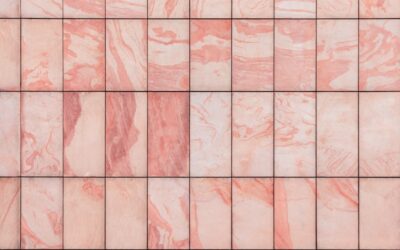
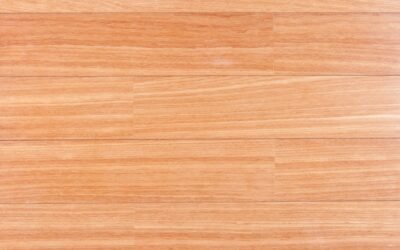
If you love the soft luminosity of polished marble but want the durability and easy care of porcelain or ceramic, a tile in the style of Mirrella tile deserves a look. The name evokes a mirror-like, marble-inspired surface, gentle veining, a luminous polished face, and subtle color movement that catches the light. This style of tile has become popular precisely because it pairs the upscale look of natural stone with the practical advantages of manufactured tile. This guide walks through what defines the look, where to use it, how to choose a finish, and how to install and maintain it so it keeps that glow for years.
Part of our Tile & Grout guide — explore the full guide →
What Defines the Mirrella Look
The defining feature is a refined, marble-look surface with a luminous quality. Tiles in this family typically feature soft, flowing veins over a light base, sometimes with a faint metallic or pearlescent shimmer that gives the surface depth as you move around the room. The effect reads elegant and contemporary without the maintenance headaches of real marble. Because the pattern is printed and pressed into the tile body, you get consistent color and movement across a whole floor or wall, something natural stone, with its unpredictable veining, cannot guarantee.
Note that “Mirrella” may be used as a product or collection name by various retailers and manufacturers. Rather than assume specific specs, focus on the qualities you can verify on any tile you are considering: the material, the finish, the size, the slip rating, and the wear rating. Marble-look styling like this is achieved with modern inkjet printing, which layers a high-resolution image of stone veining onto the tile body before glazing and firing. The best examples use several different face designs within a single run so the pattern does not visibly repeat across a large floor, which is the giveaway of a cheaper line. When you evaluate any tile sold under this kind of name, ask how many face variations the collection includes and look across several loose tiles for an obvious repeat. That tells you more about how convincing the finished floor will look than the marketing name on the box ever will.
Where to Use It
This marble-look style is versatile, but the finish you choose should match the room.
- Bathrooms: A glossy marble-look tile makes a small bath feel larger and brighter, reflecting light around the room. Use a textured or matte version on shower and bathroom floors for slip resistance.
- Kitchens: Excellent as a backsplash or a polished floor that resists the stains and etching real marble suffers from.
- Living areas and entryways: A large-format polished tile creates a seamless, luxurious floor that holds up to traffic far better than stone.
- Feature walls and fireplaces: The luminous surface makes a striking accent where it catches changing light.
Choosing the Right Finish
Finish affects both look and safety, so choose deliberately.
- Polished: High-shine and reflective, maximizing the luminous, mirror-like effect. Stunning on walls and in low-moisture areas, but it can be slippery when wet, so use caution on floors that get wet.
- Honed or matte: A softer, satin look with better slip resistance, well-suited to floors, bathrooms, and homes with kids or older adults.
- Textured or structured: Adds grip for wet areas like shower floors while keeping the marble-look pattern.
For any floor that may get wet, check the tile’s slip-resistance rating and lean toward a honed or textured finish for safety.
Material and Quality Considerations
When shopping a marble-look line, the underlying material matters more than the name on the box.
- Porcelain is denser, harder, and less porous than standard ceramic, making it the better choice for floors and wet areas. Look for a low water-absorption rating.
- Through-body or color-body porcelain hides chips better because the color runs deeper into the tile.
- PEI wear rating tells you how much traffic a tile can handle. For residential floors, aim for a rating that suits your traffic level rather than a wall-only tile.
- Rectified edges allow tighter grout lines and a more seamless, stone-like look.
Buy 10 to 15 percent extra to cover cuts, waste, and future repairs, and keep the spare tiles from the same lot for color consistency. Always check the lot or batch number printed on each box and confirm every box you buy shares it, because tile color and shade can drift noticeably from one production run to another even within the same named collection. Many manufacturers also print a shade-variation rating on the box, often a V1 through V4 scale, where V1 means tiles look nearly uniform and V4 means dramatic variation from piece to piece. For a consistent marble-look field, know which rating you are buying so the floor matches your expectations, and order it all at once from a single lot rather than topping up later.
Installation Tips
A marble-look tile only looks luxe if it is installed flat and clean. Large-format polished tiles in particular show every flaw in the substrate and layout.
- Start with a flat, sound substrate. Large tiles need a very level base; high and low spots cause lippage, where one tile edge sits proud of its neighbor.
- Use the right thin-set and trowel. Large-format tiles call for a medium-bed or LFT mortar and full coverage on the back to prevent hollow spots and cracks.
- Use leveling clips on big tiles to keep edges flush while the mortar sets.
- Plan the layout so the veining flows naturally and cut tiles land in less visible spots. Mixing tiles from a few boxes blends any slight variation.
- Choose grout carefully. A grout color close to the tile base keeps the look seamless; a contrasting color frames each tile instead.
Cleaning and Maintenance
One of the biggest advantages of a porcelain marble-look tile over real marble is how little care it needs. Porcelain is non-porous, so it resists staining and does not require the regular sealing that natural marble demands. For day-to-day cleaning, sweep or vacuum to remove grit, then mop with warm water and a pH-neutral tile cleaner. Avoid harsh abrasives and acidic cleaners on polished finishes, which can dull the shine over time. The grout lines are usually the only part that benefits from sealing, since grout is porous and can stain. Wipe spills promptly and the surface stays bright with minimal effort.
Marble-Look Tile vs Real Marble
Since the entire appeal of this style is capturing the look of marble without the stone, it is worth laying out honestly how the two compare so you can decide what you are really buying. On appearance, real marble still has an edge that the most discerning eye can spot: genuine stone has depth and translucency that a printed surface only imitates, and no two slabs are ever identical, which is part of its prestige. A printed porcelain, by contrast, gives you predictable, repeatable veining you can plan a layout around, and to most people in most rooms the difference is invisible once the floor is down. Where the manufactured tile pulls decisively ahead is everyday living. Real marble is porous and soft for a stone; it stains from wine, coffee, and oil, it etches dull marks wherever an acidic spill like lemon juice or vinegar touches it, and it needs sealing on a regular schedule to stay protected. A porcelain marble-look tile is non-porous, shrugs off those same spills, never needs sealing on its face, and resists the scratches and chips that mar softer stone. Marble also costs more to buy and far more to maintain over its life. The honest tradeoff is this: choose real marble when authenticity and the irreplaceable character of natural stone are worth the upkeep and the worry, and choose a quality porcelain in this style when you want the marble aesthetic to survive a busy kitchen, a kid-filled bathroom, or a wet entry without constant babysitting. For most homeowners chasing the look rather than the provenance, the manufactured tile is the practical winner.
Is It Right for You?
A marble-look tile in this style gives you the elegance of stone with the toughness and low maintenance of porcelain, no sealing, no etching, and consistent color throughout. It is an especially smart choice for anyone who wants the marble aesthetic in a busy household or a wet area where real marble would struggle. Focus on the verifiable qualities, porcelain over ceramic, the right finish for the room, a suitable wear rating, and a flat install, and a Mirrella-style tile will give you that luminous, high-end look for many years.
Prefer to explore on your own?
See how new flooring looks in your actual room in seconds — free, no signup.
Try the free Floor Studio →