Porcelain has been on floors and walls for centuries, but using it as a countertop material is relatively new to the US market. Knowing the porcelain countertops pros and cons before you commit can save thousands of dollars and years of regret. These ultra-thin slabs look stunning in showrooms, yet they behave differently from quartz and granite in real kitchens. Here is what contractors and fabricators want you to understand.
Part of our Countertops guide — explore the full guide →
What Makes Porcelain Countertops Different
Porcelain countertop slabs are not the same tiles you see on bathroom floors. Manufacturers fire natural clay, feldspar, and silica at temperatures above 2,200 degrees F to create large-format slabs, typically 126 by 63 inches. The extreme heat produces a material that is nearly non-porous, with a water absorption rate below 0.5 percent.
Slabs come in thicknesses of 6mm (about 1/4 inch), 12mm (about 1/2 inch), and 20mm (about 3/4 inch). Most kitchen installations use 12mm slabs bonded to a substrate or 20mm slabs that can stand alone. Brands like Dekton, Neolith, and Lapitec dominate the US market, with pricing and availability varying by region.
The Pros: Why Homeowners Choose Porcelain
Porcelain earns its reputation through measurable performance advantages that matter in daily kitchen use.
- Heat resistance: Porcelain handles temperatures up to 1,200 degrees F without scorching, discoloring, or cracking. You can set a hot pan directly on the surface, something you should never do with quartz or solid surface.
- Scratch resistance: Scoring a 7 on the Mohs hardness scale, porcelain resists knife marks, abrasive cleaners, and dragged cookware better than most natural stones.
- Stain resistance: The near-zero porosity means red wine, turmeric, coffee, and lemon juice wipe away without sealing. Ever.
- UV stability: Colors do not fade in direct sunlight, making porcelain ideal for outdoor kitchens and sun-drenched spaces.
- Lightweight: A 12mm porcelain slab weighs about 7 pounds per square foot, roughly half the weight of granite at the same footprint.
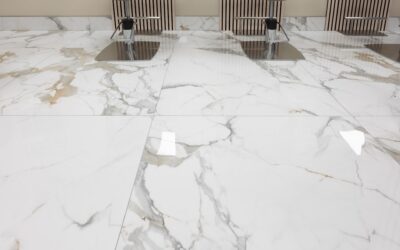
- Design versatility: Digital printing technology replicates marble, wood, concrete, and metal finishes with remarkable accuracy.
The Cons: What Could Go Wrong
No material is perfect, and porcelain has some genuine drawbacks that showroom salespeople may gloss over.
- Chipping at edges: Thin porcelain slabs are vulnerable to chips from impact, especially at unsupported edges and cutouts. A dropped cast iron pan near a sink cutout can cause damage that is difficult to repair invisibly.
- Difficult fabrication: Cutting and finishing porcelain requires specialized CNC equipment and diamond tooling. Not every countertop shop can work with it, which limits your fabricator options and increases cost.
- Visible seams: Matching patterns at seams is harder with porcelain than with quartz. Large veined designs amplify this issue.
- Limited edge profiles: The thinness of most slabs restricts you to mitered, laminated, or straight edges. Ornate ogee and bullnose profiles are not practical with 12mm material.
- Higher cost: Installed porcelain countertops run $60 to $150 per square foot, putting them at the upper end of the countertop market.
Cost Comparison With Other Materials
Understanding where porcelain sits in the pricing hierarchy helps frame the investment. Here is a side-by-side look at installed costs per square foot:
- Laminate: $15 to $40
- Butcher block: $40 to $80
- Quartz: $50 to $120
- Granite: $45 to $110
- Porcelain: $60 to $150
- Marble: $75 to $200
Porcelain falls between quartz and marble for most installations. The higher end of the range reflects complex layouts with multiple cutouts, mitered edges, and large slabs that require extra handling care.
Durability in Real Kitchens
On paper, porcelain countertops pros and cons lean heavily toward durability. In practice, how you use your kitchen determines whether those specs translate to long-term satisfaction. Families with young children who toss sippy cups and heavy plates onto the counter should consider the chipping risk seriously. A single chip on a veined porcelain surface is far more noticeable than one on speckled granite.
For adults who cook frequently but treat surfaces with reasonable care, porcelain performs exceptionally well over 15 to 20 years. The zero-sealing requirement alone saves hundreds of dollars in maintenance compared to marble or concrete over that span.
Best Applications for Porcelain Countertops
Porcelain shines brightest in specific settings where its unique properties offer clear advantages over alternatives.
- Outdoor kitchens: UV stability, freeze-thaw resistance, and heat tolerance make it the top performer outdoors.
- Minimalist kitchens: Large-format slabs with thin profiles create the sleek, seamless look that modern designs demand.
- Baking stations: The cool, non-porous surface is ideal for rolling dough and working with pastry.
- Bathroom vanities: Lower impact risk and high stain resistance suit vanity use perfectly.
Avoid porcelain for heavy-duty prep areas where you regularly chop directly on the surface or for islands that double as kids’ homework stations with frequent impacts.
Should You Choose Porcelain Countertops
Porcelain makes sense if you value heat resistance, zero maintenance, and design flexibility, and you are willing to pay a premium for those benefits. Pair it with a fabricator who has specific experience with large-format porcelain slabs. Ask to see completed installations, not just showroom samples, before signing a contract.
If budget is tight or your household is rough on surfaces, quartz delivers 80 percent of the performance at a lower price with better impact resistance. But for the right kitchen and the right homeowner, porcelain countertops deliver a combination of beauty and function that few materials can match.