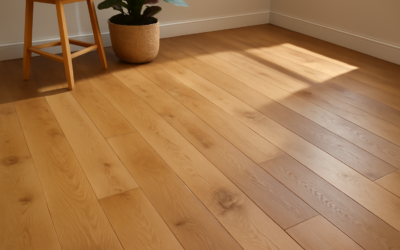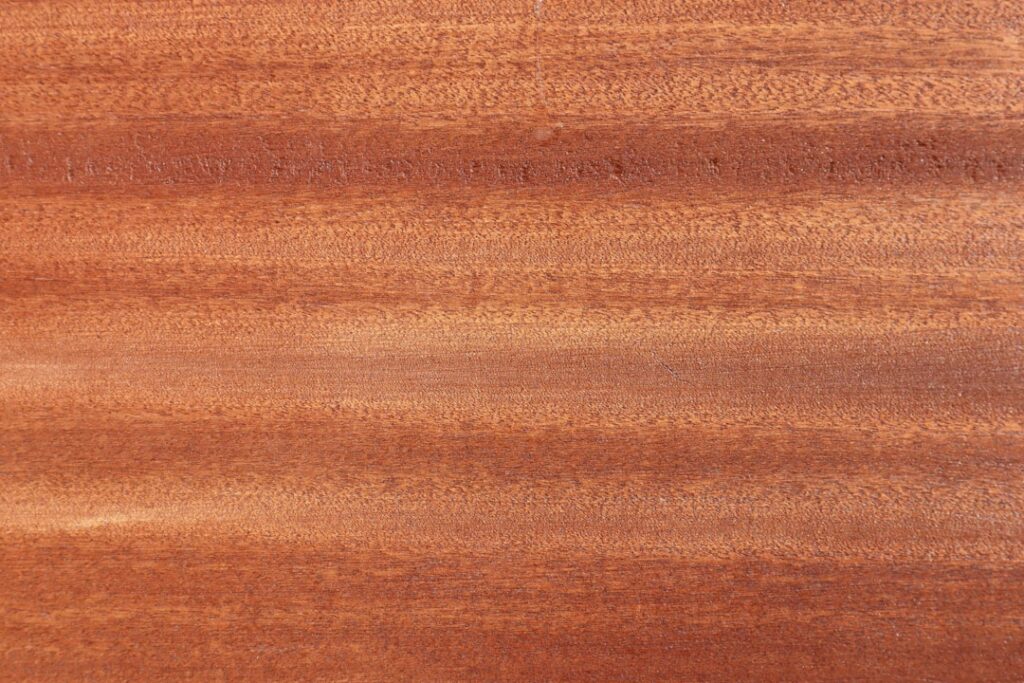
Red oak has been the backbone of American hardwood flooring for well over a century. It is abundant, affordable compared to many exotic species, and boasts a distinctive grain pattern that adds warmth and character to any room. Even as design trends shift toward European white oak and wide-plank formats, red oak remains one of the most installed flooring species in North America.
This guide covers everything you need to know about red oak hardwood flooring — from its physical properties and staining potential to costs, installation, and long-term care.
- What Makes Red Oak Unique
- Pros of Red Oak Hardwood Flooring
- Cons of Red Oak Hardwood Flooring
- Red Oak vs. White Oak
- Staining Red Oak
- Red Oak Flooring Options
- Cost of Red Oak Hardwood Flooring
- Installation Methods
- Caring for Red Oak Floors
- Best Rooms for Red Oak
- Frequently Asked Questions
- Final Thoughts
What Makes Red Oak Unique
Grain Pattern
Red oak has a bold, open grain with dramatic cathedral patterns and visible rays. This pronounced grain gives floors a classic, traditional look that works well in colonial, craftsman, and farmhouse interiors. If you prefer a subtler grain, white oak or maple may be better suited to your taste.
Natural Colour
Unfinished red oak has a warm pink-to-salmon undertone. When sealed with a clear finish, it takes on a golden-honey appearance that deepens over time with UV exposure. This warm natural colour is one of the reasons red oak has remained popular for generations.
Hardness
Red oak scores 1,290 on the Janka hardness scale — the benchmark against which all other domestic hardwoods are measured. It is hard enough for residential use in living rooms, bedrooms, and hallways, though it is softer than white oak (1,360) and hickory (1,820). High-heel shoes and large dog claws can dent red oak, so area rugs and furniture pads are recommended.
Pros of Red Oak Hardwood Flooring
- Availability: Red oak is the most plentiful hardwood species in North America. It is stocked by virtually every flooring retailer and lumber yard.
- Affordability: Red oak costs less than white oak, hickory, walnut, and most exotic woods.
- Stainability: The open grain absorbs stain readily, allowing a wide range of colour options from light natural to dark espresso.
- Refinishability: Solid red oak floors can be sanded and refinished multiple times over their lifespan, which can exceed 100 years in well-maintained homes.
- Warmth: The reddish undertone creates an inviting, cozy atmosphere that many homeowners love.
Cons of Red Oak Hardwood Flooring
- Pink undertone: The pinkish-red cast can be difficult to neutralise with stain. Achieving a true cool grey or ashy tone is harder on red oak than on white oak.
- Open pores: Red oak is ring-porous with open grain, making it less resistant to water penetration than white oak. It is not recommended for kitchens with heavy water exposure or bathrooms.
- Bold grain: The prominent grain pattern may clash with sleek, ultra-modern interiors that call for a quieter visual texture.
- Susceptibility to dents: At 1,290 Janka, red oak is reasonably hard but will dent more easily than harder species in homes with active kids or large pets.
Red Oak vs. White Oak
The red oak versus white oak debate is one of the most common in flooring. Here is a quick comparison:
- Hardness: White oak (1,360) is slightly harder than red oak (1,290).
- Water resistance: White oak has closed, tyloses-filled pores that block water. Red oak’s open pores absorb moisture more readily.
- Grain: Red oak has bolder cathedral patterns; white oak’s grain is tighter and more linear.
- Colour: Red oak has warm pink tones; white oak is more yellow-brown and takes grey stains more cleanly.
- Price: Red oak is typically $1.00 to $2.00 per square foot cheaper than white oak.
Both species make excellent floors. Red oak is the value play with a warmer personality; white oak is the premium choice with better moisture resistance and trend-forward versatility.
Staining Red Oak
Light and Natural Finishes
A clear polyurethane or natural oil finish lets red oak’s warm colour shine through. Water-based polyurethane maintains the lightest, most natural tone. Oil-based poly adds an amber warmth that deepens over time.
Medium Tones
Golden oak, honey, and provincial stains enhance red oak’s warmth without dramatically changing its character. These are the most traditional and timeless choices.
Dark Stains
Ebony, dark walnut, and jacobean stains darken red oak significantly, but the pink undertone can bleed through, creating a warm chocolate rather than a cool espresso. To counteract this, many finishers mix a grey or green tone into the stain. A water-based stain followed by a water-based topcoat tends to produce cooler dark results than an oil-based approach.
Grey Stains
Achieving a true grey on red oak is challenging. The warm undertone resists cool grey tones. Professionals often use a two-step process: a grey base stain followed by a toning sealer coat. White oak is a better candidate if a clean grey is your goal.
Red Oak Flooring Options
Solid Red Oak
Solid red oak planks are milled from a single piece of timber, typically 3/4 inch thick and available in widths from 2-1/4 inches to 5 inches. Narrower widths are more traditional; wider planks offer a contemporary feel. Solid red oak can be sanded and refinished seven or more times over its life.
Engineered Red Oak
Engineered wood red oak features a real red oak veneer bonded to a plywood or HDF core. It handles humidity changes better than solid wood and can be installed over concrete slabs and with underfloor heating. The veneer thickness determines how many times it can be refinished — typically one to three times.
Unfinished vs. Prefinished
Unfinished red oak is sanded and finished on-site, allowing custom stain colours and a seamless surface. Prefinished planks come with a factory-applied UV-cured coating that is harder and more scratch-resistant than site-applied finishes, but the micro-bevelled edges create small grooves between planks.
Cost of Red Oak Hardwood Flooring
- Unfinished solid red oak: $3.00 to $6.00 per square foot.
- Prefinished solid red oak: $4.00 to $8.00 per square foot.
- Engineered red oak: $4.00 to $9.00 per square foot.
- Installation (nail-down): $3.00 to $5.00 per square foot.
- Sanding and finishing (on-site): $2.00 to $4.00 per square foot.
For a 1,000-square-foot project, expect total installed costs between $6,000 and $13,000 depending on grade, width, and finish method.
Installation Methods
Nail-Down
The traditional method for solid red oak over a plywood subfloor. A pneumatic floor nailer drives cleats through the tongue of each plank at a 45-degree angle. This provides the most secure hold and is the industry standard for above-grade installations.
Glue-Down
Engineered red oak can be glued directly to concrete or plywood using a moisture-curing urethane adhesive. Glue-down installations feel solid underfoot with minimal hollow sound.
Floating
Some engineered red oak products feature click-lock profiles that allow floating installation over an underlayment. This is the fastest method and works well over concrete slabs and existing hard floors.
Caring for Red Oak Floors
Daily Maintenance
Sweep or dust-mop daily in high-traffic areas. Use a vacuum with a hardwood-floor attachment — avoid beater bars, which can scratch the finish.
Weekly Cleaning
Damp-mop with a pH-neutral hardwood floor cleaner. Never use vinegar, steam mops, or wet Swiffers — excess moisture can damage the wood and finish.
Preventive Measures
- Place felt pads under all furniture legs.
- Use area rugs in high-traffic zones and in front of sinks.
- Keep pet nails trimmed.
- Maintain indoor humidity between 35 and 55 percent to minimise expansion and contraction.
- Use UV-filtering window treatments to slow colour change from sunlight.
Refinishing
When scratches and wear become noticeable, a full sand-and-refinish restores the floor to like-new condition. Most red oak floors need refinishing every 7 to 10 years in busy households. Between full refinishes, a maintenance coat — sometimes called a screen and recoat — adds a fresh layer of finish without sanding down to bare wood.
Best Rooms for Red Oak
- Living rooms and dining rooms: The warm tone sets an inviting atmosphere for gathering spaces.
- Bedrooms: Low traffic means the finish lasts longer and the soft warmth is pleasant first thing in the morning.
- Hallways: Durable enough for heavy foot traffic when finished with a high-quality polyurethane.
- Home offices: Use a chair mat to protect the surface from caster wheels.
Avoid red oak in full bathrooms, laundry rooms, and below-grade basements where moisture is a constant concern. In kitchens, red oak works if you are diligent about wiping up spills promptly. For wet areas, consider waterproof flooring alternatives instead.
Frequently Asked Questions
Is red oak flooring outdated?
Not at all. While white oak has gained popularity for its compatibility with grey stains and modern aesthetics, red oak remains a bestseller. Staining red oak in medium to dark tones updates its look for contemporary homes.
Can red oak be whitewashed?
Yes, but the pink undertone will show through, giving the floor a warm blush cast rather than a crisp white. If you want a true Scandinavian whitewash, white oak or ash is a better starting point.
How long does red oak flooring last?
Solid red oak can last 80 to 100 years or more when properly maintained and refinished periodically. Engineered red oak lasts 25 to 50 years depending on veneer thickness and care.
Does red oak darken over time?
Yes. UV exposure deepens red oak’s warm amber tones over the first few years. Rearranging furniture periodically and using UV-blocking window films helps maintain a more even colour across the floor.
Final Thoughts
Red oak hardwood flooring is a proven, reliable choice that delivers warmth, character, and longevity at an accessible price point. Its bold grain and rosy undertone are defining features — either you embrace them as part of the charm or you opt for a darker stain to tone them down. Either way, a well-installed red oak floor adds lasting value to your home and stands up to decades of daily life.
Prefer to explore on your own?
See how new flooring looks in your actual room in seconds — free, no signup.
Try the free Floor Studio →