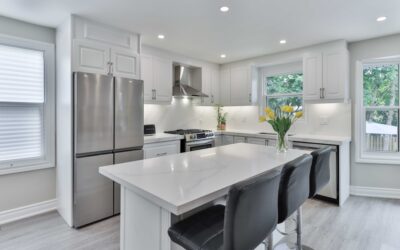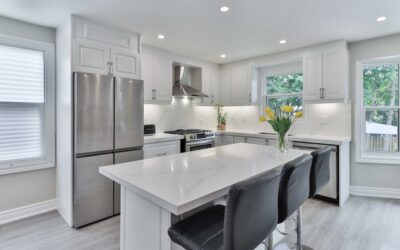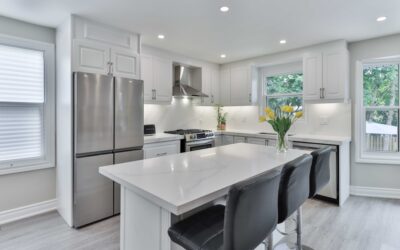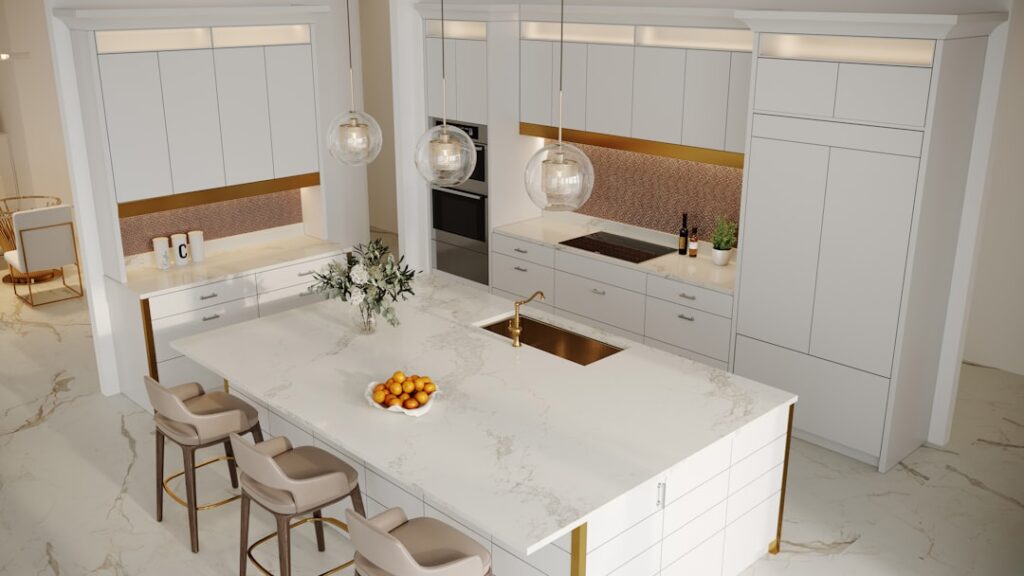
Trendy kitchens look dated in five years; timeless ones still look right in twenty-five. A traditional timeless kitchen design achieves that longevity by leaning on proven proportions, natural materials, and restrained color rather than whatever finish is trending this season. The payoff is both aesthetic and financial: a classic kitchen photographs beautifully the day it’s built, ages gracefully, and appeals to the widest pool of future buyers. This guide breaks down the specific elements, cabinet styles, materials, layouts, and finishes, that make a kitchen read as timeless, so you can invest your renovation budget in choices you won’t regret.
Part of our Kitchen Remodeling guide — explore the full guide →
- Start With Shaker Cabinets
- Choose Natural, Enduring Materials
- Keep the Color Palette Restrained
- Classic Backsplash and Counter Pairings
- Layouts That Have Always Worked
- Hardware, Fixtures, and Lighting
- Flooring That Grounds a Classic Kitchen
- Details That Signal Craftsmanship
- Investing for the Long Run
Start With Shaker Cabinets
No cabinet style has proven more enduring than the Shaker door, a simple five-piece door with a recessed flat center panel and clean square edges. It’s been popular for well over a century because its lack of ornamentation lets it swing traditional or modern depending on the hardware and color around it. That flexibility is exactly why it never dates.
Paint Shaker cabinets a classic white, soft off-white, or a muted sage or navy for a look that reads current now and won’t feel like a period piece in a decade. Avoid heavily ornate raised-panel doors with lots of routing detail, which tie a kitchen firmly to a specific era, and steer clear of high-gloss slab fronts if longevity is your goal. Full-overlay or inset Shaker doors both work; inset costs more but reads as the most tailored and traditional.
Choose Natural, Enduring Materials
Timeless kitchens favor materials that have looked good for generations. Natural stone counters, marble, granite, or a convincing quartz in a soft veined pattern, age far better than bold patterned laminates. Wood floors, whether solid oak or a quality engineered plank, bring warmth that vinyl trends can’t match and refinish rather than replace over the years.
The through-line is materials that develop character rather than wear out of style. A honed marble develops a patina, oak floors mellow, and unlacquered brass hardware ages to a living finish. Synthetic materials chasing a trend, high-gloss acrylics, ultra-bold quartz patterns, look striking in a showroom but tend to feel dated fast, so use them sparingly if at all.
Keep the Color Palette Restrained
Color is where kitchens date the hardest, so timeless design keeps the permanent elements neutral and saves bold color for things that are cheap to change. White, cream, soft gray, greige, and muted earth tones on cabinets and walls form a backdrop that never fights the eye. These neutrals also make a kitchen feel larger and let natural materials shine.
That doesn’t mean the room has to be bland. Introduce personality through a painted island in a deeper hue, colorful bar stools, artwork, or a runner, all of which you can swap in a weekend if tastes shift. The rule is to keep the expensive, hard-to-change surfaces neutral and let inexpensive, replaceable accents carry the trend.
Classic Backsplash and Counter Pairings
Few combinations are as durable as white or cream subway tile with a natural stone counter. The 3-by-6-inch subway tile has been in American kitchens for over a century for good reason: it’s clean, affordable at $7 to $15 per square foot installed, and pairs with virtually anything. Set it in a simple stacked or classic offset pattern rather than a trendy geometric layout.
For counters, a white or soft-gray veined marble-look surface reads as timeless whether it’s real marble, honed granite, or quartz. Pairing a light counter with light subway tile keeps the room bright and lets a wood floor or an island provide contrast. Avoid pairing two bold patterns; timeless design lets one material be quiet so another can speak.
Layouts That Have Always Worked
Good bones outlast good looks. The classic kitchen work triangle, keeping the sink, range, and refrigerator within an efficient reach of one another, has organized functional kitchens for decades and still does. An L-shape, U-shape, or a galley with a central island are proven layouts that use space well and never feel awkward.
Center the range or sink under a window when the plan allows, give the island generous clearances of 42 inches or more, and prioritize deep drawers and a walk-in or tall pantry for storage. These functional fundamentals are the invisible half of timeless design; a kitchen that works well feels good to be in long after any particular finish comes and goes.
Hardware, Fixtures, and Lighting
The metals and fixtures are the jewelry of the kitchen, and classic choices age best. Polished nickel, brushed brass, and oil-rubbed bronze have decades of staying power, while trendier finishes tend to look dated quickly. A bridge or gooseneck faucet in a classic finish, cup pulls and knobs on the cabinets, and a farmhouse or undermount sink all reinforce a traditional feel.
Lighting should layer classic forms: a pair of glass or metal pendants over the island, recessed cans for general light, and under-cabinet lighting for task work. Choose warm-white bulbs around 2700K to 3000K, which flatter wood and stone; cool blue-white light makes a traditional kitchen feel clinical and modern in the wrong way.
Flooring That Grounds a Classic Kitchen
The floor is a permanent, high-cost surface, so it deserves the same timeless logic as the cabinets. Hardwood is the enduring benchmark: white oak and maple in a medium tone hide dirt, resist trend cycles, and can be refinished multiple times over decades rather than replaced. A site-finished oak floor in a satin sheen reads as classic in nearly any kitchen and warms up an otherwise cool white-and-stone palette.
If solid wood isn’t practical near a lot of water, high-quality engineered wood or a wood-look luxury vinyl plank delivers a similar look with better moisture tolerance. For a more traditional or transitional room, natural stone or a matte porcelain tile in a stone look also ages gracefully. Whatever you choose, avoid the bold patterns and high-gloss finishes that date quickly, and favor a mid-tone that camouflages the crumbs and pet hair a working kitchen always has.
Details That Signal Craftsmanship
The small architectural touches are what separate a timeless kitchen from a merely tasteful one. Crown molding atop the wall cabinets, a furniture-style toe kick, and a decorative range hood give a kitchen the built-in, custom feel that endures. Glass-front upper cabinets, a plate rail, or a farmhouse apron sink all read as classic and add character without chasing a trend.
Proportion is the quiet ingredient. Cabinets that run to the ceiling rather than leaving a dust-collecting gap, drawers sized in a pleasing rhythm, and hardware scaled correctly to the doors all make a kitchen feel considered. These details cost relatively little compared to the cabinets and counters, yet they’re often what people notice, and what keeps a traditional timeless kitchen design feeling intentional and well-built long after the installation year is forgotten.
Investing for the Long Run
The economics favor timeless choices. Because a classic kitchen doesn’t need a redo every time trends turn, the cost per year of ownership drops, and its broad appeal helps resale when you sell. Spend your budget on the elements that are hard and expensive to change, quality cabinets, natural stone, wood floors, good fixtures, and keep the trendy touches confined to paint, textiles, and accessories.
A well-executed traditional timeless kitchen design isn’t about avoiding style; it’s about choosing the styles that have already proven they last. Build on Shaker cabinets, natural materials, a restrained palette, and a functional layout, and you’ll have a kitchen that looks intentional and elegant for as long as you own the home.
If you’re renovating in phases, prioritize the permanent bones first, cabinet boxes, counters, flooring, and layout, since those are the costly, disruptive elements you don’t want to touch twice. Save the trend-driven choices for last and keep them cheap and swappable: paint color, hardware, bar stools, window treatments, and light fixtures can all be updated in a weekend as tastes shift. Approaching the project this way lets you refresh the look every few years without ever gutting the room, which is the practical heart of a traditional timeless kitchen design and the reason it remains the smartest long-term way to build.