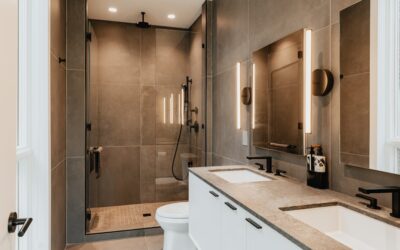
Walk into a spa-inspired bathroom and there is a good chance the walls are wrapped in warm, earthy stone. A travertine tile shower delivers that exact look, and it does so with a material that has been used in construction since the Roman Colosseum. The catch most homeowners miss is that travertine is a porous limestone, which means the beauty comes with a maintenance commitment. Get the sealing and slope right, though, and you get a shower that reads as high-end and lasts for decades.
Part of our Bathroom Remodeling & Flooring guide — explore the full guide →
What Travertine Actually Is
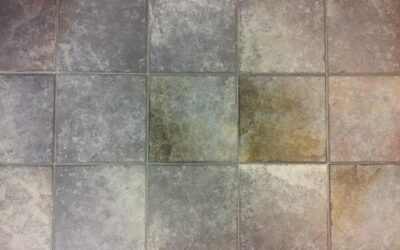
Travertine forms near mineral springs, where dissolved calcium carbonate precipitates into layered stone. Those natural voids and channels give it the pitted, textured character people love. Colors range from ivory and beige to walnut, gold, and rust, and no two tiles are identical. Because it is a natural stone, it sits in the same family as marble and limestone rather than manufactured porcelain.
You will find travertine sold in four common finishes. Honed is matte and the most popular for showers because it hides water spots. Polished has a slight sheen but gets slippery when wet. Tumbled has rounded edges and a rustic, weathered surface. Brushed lands in between, with a soft antiqued texture. For shower floors, honed or tumbled tile with a filled or textured surface gives you the traction you want underfoot.
Why Choose a Travertine Tile Shower
The appeal is not just aesthetic. Stone holds temperature well, so a travertine bench stays comfortable, and the material carries an organic warmth that porcelain look-alikes rarely match. A travertine tile shower also adds resale appeal in mid-to-upper-tier homes, where buyers expect natural materials in the primary bath.
There are real trade-offs to weigh:
- Pros: timeless natural look, unique veining, good slip texture when honed or tumbled, repairable surface, long lifespan of 30-plus years.
- Cons: porous and needs sealing, sensitive to acids, heavier than porcelain, higher upfront cost, requires more upkeep than tile.
Travertine Shower Cost Breakdown
Material pricing usually runs $3 to $15 per square foot, with standard 18-by-18-inch filled and honed tiles at the lower end and premium French-pattern or large-format pieces at the top. A mosaic accent strip or pencil trim can add $8 to $30 per linear foot.
Installation is where budgets grow. Professional stone tile setting typically costs $10 to $20 per square foot in labor because the stone must be back-buttered, leveled precisely, and often sealed before grouting. For a standard 3-by-5-foot walk-in shower with roughly 90 to 110 square feet of wall, floor, and bench surface, expect a total in the range of $2,500 to $5,500 installed. Add a curbless entry, niche, or bench and you push toward the upper figure. Compare that to a builder-grade ceramic surround at $1,200 to $2,000, and you see the premium you are paying for stone.
Sealing Is Non-Negotiable
Here is the single most important thing to understand: unsealed travertine will absorb water, soap, and minerals, then stain and etch. You need a penetrating (impregnating) sealer, not a topical coating. Seal the tile before grouting to keep grout haze out of the pores, then seal again after grout cures, usually 48 to 72 hours later.
In a shower that sees daily use, reseal every 6 to 12 months. Test it with the water-drop method: sprinkle a few drops on the stone, wait 10 minutes, and if the water darkens the surface, it is time to reseal. A quart of quality impregnating sealer runs $25 to $45 and covers a full shower with coats to spare. Skipping this step is the number one reason travertine showers look tired within a few years.
Layout, Slope, and Waterproofing
A stone shower is only as good as the substrate under it. Never set travertine over plain drywall or green board in a wet area. Use a cement backer board or, better, a sheet or liquid waterproofing membrane so no moisture reaches the framing.
The shower floor needs a consistent slope of about 1/4 inch per foot toward the drain to prevent standing water, which accelerates staining and mineral buildup. For the floor itself, use smaller 2-by-2-inch or French-pattern mosaic tiles so the grout lines create grip and the pieces conform to the slope. Plan your niche and bench during layout so cut edges land where they are least visible, and dry-lay a section first to preview the color blend, since travertine varies box to box.
Travertine Versus Porcelain Look-Alikes
Before you commit, it is worth comparing real travertine against the porcelain tiles engineered to imitate it. Porcelain travertine-look tile is fully vitrified, which means it is dense, non-porous, and needs no sealing. It resists acids, stains, and mold without any of the babysitting. On paper it wins the maintenance battle handily.
What porcelain cannot fully replicate is the depth and variation of the real stone. Natural travertine has genuine tonal shifts, subtle translucency, and a tactile pitting that even the best printed porcelain flattens out. There is also the feel underfoot, since stone warms and holds temperature differently than a fired clay tile. If authenticity and long-term repairability matter most, choose the stone and accept the upkeep. If you want the aesthetic with almost zero maintenance, a quality porcelain look-alike at $3 to $7 per square foot is a smart, budget-friendly compromise. Many homeowners split the difference by using real travertine on a feature wall or niche and porcelain everywhere else.
Common Mistakes to Avoid
Most travertine shower failures trace back to a handful of preventable errors. Learn from them before your project starts:
- Skipping the pre-grout seal, which lets grout haze permanently lodge in the stone’s pores.
- Using acidic or bleach-based cleaners that etch the calcium surface within seconds.
- Installing over an inadequate waterproof membrane, leading to hidden rot and mold behind the tile.
- Choosing polished floor tile, which turns dangerously slick when wet and soapy.
- Letting reseals lapse, so the stone slowly darkens and absorbs soap scum you can no longer scrub out.
None of these are hard to avoid, but each is expensive to correct after the fact. A little discipline up front protects a floor and wall you will look at every single day.
Cleaning and Daily Maintenance
Travertine is calcium-based, which means anything acidic will etch it. That rules out vinegar, lemon, bleach, and most bathroom sprays sold at the grocery store. Instead, use a pH-neutral stone cleaner and a soft cloth or non-abrasive pad.
Build these habits to protect your investment:
- Keep a squeegee in the shower and pull water off the walls after each use to limit mineral spotting.
- Run the exhaust fan for 20 to 30 minutes after showering to cut humidity and mold risk in the grout.
- Wipe spills of shampoo, colored soap, or hair dye quickly, since they can settle into the pores.
- Deep clean weekly with a neutral stone cleaner, and avoid abrasive powders that scratch honed surfaces.
Small holes that open up over time can be refilled with a color-matched stone filler or epoxy, and a professional hone-and-reseal every few years can restore a dull surface to like-new condition.
Is a Travertine Tile Shower Right for You
Choose travertine if you value a genuine natural material, you like the warm Mediterranean look, and you are willing to reseal on schedule. A travertine tile shower rewards owners who maintain it and frustrates those who expect the set-and-forget durability of porcelain. If you travel often or dislike routine upkeep, a porcelain tile that mimics travertine gives you 90 percent of the look with a fraction of the maintenance. But if you want the real thing, budget for professional installation, commit to sealing, and you will have a striking, durable shower that few materials can match.
Prefer to explore on your own?
See how new flooring looks in your actual room in seconds — free, no signup.
Try the free Floor Studio →