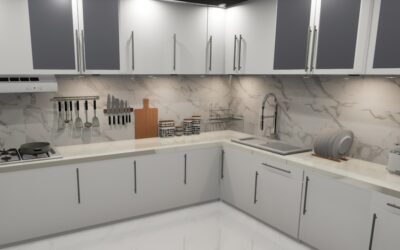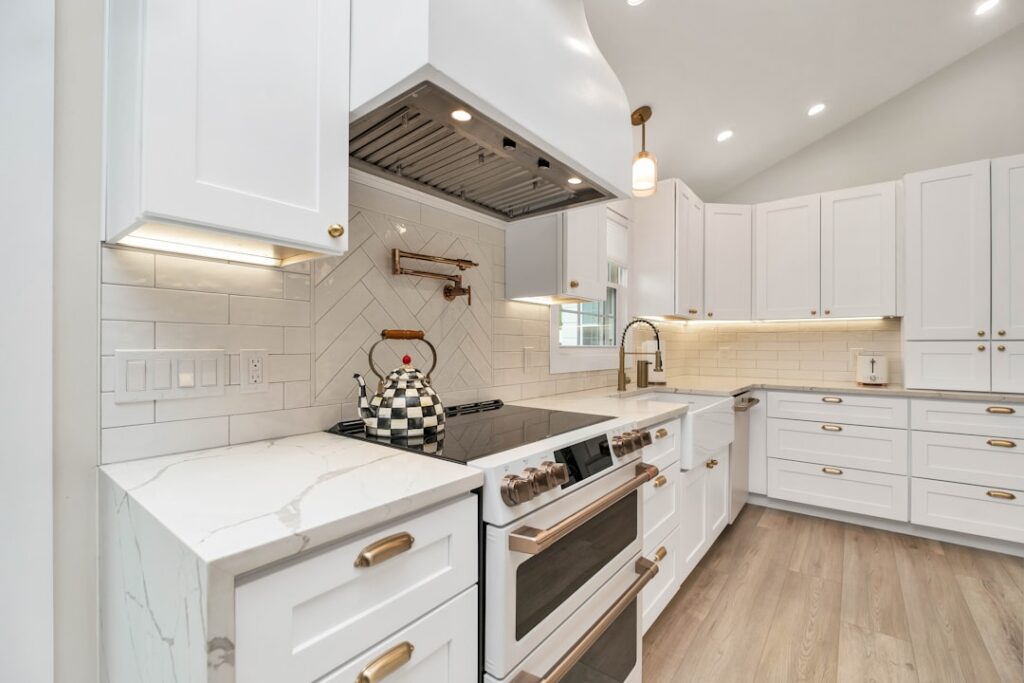
A backsplash is the one place in a kitchen where you can be bold without committing to a full remodel, and a dark gray backsplash is the move for homeowners who want drama that still reads as timeless. Charcoal, slate, and graphite tones anchor a room, hide everyday splatter better than any light surface, and make white cabinets and brass hardware pop. The catch is that dark surfaces are less forgiving of poor lighting and cheap materials, so the details matter more than they would with a safe beige.
Part of our Kitchen Remodeling guide — explore the full guide →
Here is how to choose the right shade, material, and grout, plus how to keep a deep gray backsplash from making your kitchen feel like a cave.
Why Dark Gray Works So Well
Dark gray occupies a rare design position: it is dramatic but neutral. Unlike black, which can feel severe, charcoal and slate carry subtle undertones of blue, green, or brown that soften the effect and let the color adapt to warm or cool kitchens. It reads sophisticated in a modern space and grounded in a farmhouse or transitional one.
The practical case is just as strong. A deep gray surface is the most stain-forgiving backsplash color you can install. Grease film, coffee flecks, and tomato splatter that would demand a wipe on white tile essentially disappear on graphite until your weekly clean. Behind a busy cooktop, that is a genuine quality-of-life upgrade.
Choosing the Right Shade of Gray
Not all dark grays behave alike, and the undertone determines whether the backsplash feels cold or inviting. Study samples against your cabinets and countertop before committing.
- Cool blue-gray (slate): Crisp and modern; pairs with stainless steel and cool white cabinets.
- Warm greige-charcoal: Has a brown base that flatters wood tones and cream cabinets.
- Green-gray: Softer and organic; excellent behind natural wood or sage cabinetry.
- True neutral graphite: The safest all-rounder that works with nearly any palette.
Because dark colors absorb light, always evaluate samples in the actual room. A slate that looks rich by the store window can turn flat and lifeless in a kitchen with only overhead lighting. Undertone shifts dramatically under warm 2700K bulbs versus daylight LEDs.
Best Materials for a Dark Gray Backsplash
The color is only half the equation. Material dictates texture, sheen, and how much light the surface reflects, which is critical for a dark tone.
Porcelain and Ceramic Tile
The most popular and practical option. Glazed porcelain in charcoal resists staining and moisture, costing $3 to $12 per square foot for the tile. A glossy glaze reflects light and keeps a dark backsplash from feeling heavy, while a matte finish reads more contemporary but shows fewer fingerprints.
Natural Stone
Honed slate and soapstone deliver authentic depth and subtle veining at $8 to $25 per square foot. Both are porous and need sealing, and slate in particular has natural cleft variation that adds texture but can be tricky to keep clean behind a range.
Glass Tile
Dark gray glass mosaics and subway tiles have a luminous quality that keeps deep color from swallowing light. Expect $12 to $30 per square foot installed. Glass is nonporous and wipes clean instantly, though it demands a meticulous installer since a dark glass body shows any imperfection in the setting bed.
Quartz or Stone Slab
A full slab backsplash in a dark quartz that matches the counter creates a seamless, high-end waterfall effect with no grout lines to clean. It is the priciest route at $50 to $100 per square foot installed, but the continuous surface is stunning and virtually maintenance-free.
Pairing Cabinets and Countertops
Contrast is your friend with a dark backsplash. White or off-white cabinets are the classic partner, creating a graphic, high-contrast kitchen that never looks dated. Light wood cabinets soften the drama and lean Scandinavian. If you have dark cabinets too, you risk a heavy, closed-in feel, so break it up with a light countertop and plenty of under-cabinet lighting.
For countertops, white or light gray quartz with subtle veining is the safest and most striking pairing, letting the backsplash be the star. A waterfall of the same dark tone can look dramatic but requires enough light-colored cabinetry to balance it. The goal is to avoid three dark surfaces stacking on top of each other.
Grout Selection for Dark Tile
Grout choice transforms a dark gray backsplash more than most homeowners expect. Matching charcoal grout makes the tile read as one continuous, moody surface, ideal for a modern minimalist look. A contrasting light gray or white grout, on the other hand, turns the same tile into a graphic grid that emphasizes the pattern and geometry.
My default recommendation is a grout that matches or sits one shade lighter than the tile, using a stain-resistant epoxy or a quality sanded grout with a built-in sealer. Dark grout hides grease and stays looking clean far longer, which matters right behind the stove. If you love the grid look with white grout, commit to sealing it and wiping it often, because it will show every splatter.
Lighting: The Make-or-Break Detail
The number one complaint about dark backsplashes is that they make a kitchen feel dim. The fix is lighting, planned before you tile. Under-cabinet LED strips are non-negotiable with a deep gray surface; they wash the backsplash with light, reveal its texture, and keep the countertop bright for prep work.
Choose a glossy or lightly reflective tile finish if your kitchen is short on natural light, since it bounces illumination back into the room. Reserve fully matte, textured stone for kitchens with big windows or generous fixtures. Pair the backsplash with warm-white 3000K bulbs to keep the space inviting rather than clinical.
Installation Costs and DIY Tips
A typical 30-square-foot kitchen backsplash in dark gray tile runs $900 to $2,800 installed, or roughly $25 to $70 per square foot depending on material and layout. Slab and glass options sit at the top of that range; standard porcelain subway sits near the bottom. Intricate patterns like herringbone add labor because of extra cuts.
If you are installing it yourself, a few things separate a clean result from an amateur one:
- Use a wet saw, not a snap cutter, for crisp edges around outlets and corners.
- Choose the right trowel notch for your tile size to avoid hollow spots and lippage.
- Wipe grout haze off dark tile promptly, because a cloudy film shows badly on charcoal.
- Seal natural stone and grout before the kitchen goes back into daily use.
Maintenance and Keeping It Looking Sharp
Dark surfaces hide stains but reveal a different enemy: water spots, hard-water film, and fingerprints. On a glossy charcoal tile, dried mineral deposits from a wet sponge stand out under raking light, so wipe with a barely-damp microfiber cloth and buff dry rather than leaving the surface to air-dry. A quick spray of glass cleaner keeps a gloss finish streak-free near the sink.
Grease is the other consideration behind the cooktop. Even though a dark gray backsplash disguises splatter, an invisible film still builds up and can dull the finish over months. A weekly pass with a mild degreaser prevents that buildup and keeps the sheen even. For natural stone like slate or soapstone, stick to pH-neutral cleaners and reapply sealer on schedule, since acidic products etch the surface and leave permanent dull spots that are far more visible on dark stone than light.
Handled with care, a dark gray backsplash delivers more visual payoff per dollar than almost any other kitchen update. Get the shade, grout, and lighting right, and you end up with a surface that feels custom, hides the daily mess, and stays in style long after lighter trends have come and gone.