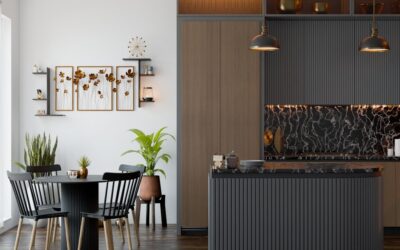
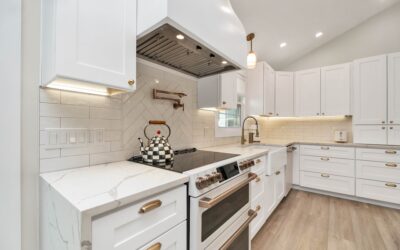
White subway tile had its decade, and it is not going anywhere, but the kitchens that feel the most current right now lean on a quieter, more sophisticated neutral. A gray backsplash hits the sweet spot between safe and stylish, warm enough to feel inviting yet neutral enough to pair with almost any countertop or cabinet color. It hides splatters better than white, complements the stainless steel and matte black finishes dominating modern kitchens, and reads as timeless rather than trendy. This guide covers shades, materials, pairings, and costs so you can design one with confidence.
Part of our Kitchen Remodeling guide — explore the full guide →
Why Gray Works So Well
Gray is the great diplomat of kitchen color. It bridges warm and cool palettes, sits comfortably alongside both wood tones and painted cabinets, and never fights with your countertop. Unlike a bold color you might tire of, gray ages gracefully and rarely looks dated.
It is also forgiving in daily life. A pure white backsplash shows every grease splatter and water spot, while a mid-tone gray camouflages the minor messes of real cooking. For a busy family kitchen, that practicality matters as much as the looks.
Choosing the Right Shade of Gray
“Gray” covers an enormous range, and the undertone is what determines whether your backsplash feels crisp and modern or warm and cozy. Get the undertone right and everything in the room clicks.
- Light gray: Brightens small kitchens and keeps the look airy, close to white but softer.
- Mid gray: The most versatile, with enough presence to stand out against white cabinets without going dark.
- Charcoal and dark gray: Dramatic and modern, stunning against light cabinets and counters but best in well-lit kitchens.
- Greige: A gray-beige blend that adds warmth and pairs beautifully with wood tones and cream cabinets.
Always test samples on the wall under your actual lighting. Grays shift dramatically between daylight and warm bulbs, and a tile that looks neutral in the store can turn blue or purple at home.
Popular Tile Materials and Styles
Gray comes in nearly every material, so the choice is really about texture, format, and budget.
Ceramic and Porcelain Subway Tile
The most popular and affordable option. A gray subway tile in a classic 3-by-6-inch format offers clean lines, and you can dial up interest with a herringbone or vertical-stack layout instead of the standard offset.
Natural Stone
Gray marble, slate, and travertine bring organic veining and depth that printed tile cannot match. They cost more and require sealing, but the result is luxurious and one of a kind.
Glass Tile
Gray glass mosaic adds shine and bounces light, ideal for making a compact kitchen feel larger. It cleans up easily, making it a favorite behind the stove.
Large-Format and Slab
A single slab of gray quartz or porcelain run up the wall eliminates grout lines entirely for a seamless, ultra-modern look that is increasingly popular in high-end remodels.
Pairing With Countertops and Cabinets
The magic of a gray backsplash is how easily it coordinates. Here are combinations that consistently look great:
- White cabinets and gray backsplash: Crisp, classic, and bright, a foolproof pairing.
- Navy or dark cabinets with light gray: Modern contrast that feels intentional and rich.
- Wood cabinets with greige tile: Warm, organic, and inviting.
- Gray on gray: Pairing a gray backsplash with a coordinating gray quartz counter creates a serene, monochromatic look when you vary the textures.
For grout, white grout keeps things light and traditional, while gray grout hides dirt and blends the field into a unified surface. A contrasting dark grout emphasizes the tile pattern for a bolder graphic effect.
What It Costs
Backsplash is a small surface, so even premium tile stays affordable. Plan for these ranges, covering a typical 30-square-foot kitchen backsplash:
- Ceramic subway tile: $5 to $15 per square foot installed
- Glass mosaic: $15 to $30 per square foot installed
- Natural stone: $20 to $50 per square foot installed
- Full project, DIY ceramic: often $200 to $500 in materials
Because the area is small, this is a popular DIY job. With a notched trowel, premixed mastic or thin-set, tile spacers, and a quality grout, a confident homeowner can tile a backsplash over a weekend and save several hundred dollars in labor.
Design Ideas That Stay Fresh
To keep your backsplash from looking generic, play with layout and texture rather than chasing a trendy color. A herringbone pattern in plain gray subway tile reads custom and high-end. Mixing two gray tones in a geometric mosaic adds subtle depth. A handmade-look gray zellige tile brings artisanal character with gentle color variation that catches the light.
You can also let the backsplash carry the whole design statement by keeping cabinets and counters quiet. A bold charcoal backsplash with white cabinets and a light counter draws the eye and gives the kitchen a clear focal point.
Is a Gray Backsplash Right for You?
If you want a kitchen that looks current today and still looks good in ten years, gray is hard to beat. It flatters nearly every cabinet and countertop, hides everyday messes, and offers a shade for every mood, from breezy light to dramatic charcoal. Order full-size samples, view them under your own lighting, and consider the undertone carefully. Choose well and a gray backsplash becomes the quiet, confident backbone of a kitchen you will love for years.
Installation Tips for a Clean Result
Because a backsplash is a small, visible area, precision pays off. Start by finding the center of your main wall and working outward so any cut tiles land symmetrically at the corners. Dry-lay a row first to plan your layout, and decide where partial tiles will go before you spread any adhesive.
For dry walls, a premixed mastic is convenient and grabs quickly, while areas near a sink or behind a range benefit from a water-resistant thinset. Use tile spacers for even joints, keep a wet sponge handy to wipe squeeze-out before it dries, and let the adhesive cure fully before grouting. A run of painter’s tape protects the countertop and cabinets from drips during the messy steps.
Caring for Your Gray Backsplash
Daily upkeep is simple, which is part of the appeal. Wipe the tile with warm water and a little dish soap, then dry to prevent water spots, especially on glossy or glass surfaces. Avoid abrasive pads on glass and polished tile, and skip harsh acidic cleaners on natural stone, which can etch the surface.
The grout needs the most attention. Seal cement grout after installation and reseal it every year or two to keep it from absorbing grease and turning dark. If you chose a darker gray grout in the first place, it will disguise everyday grime and demand far less fussing, which is one more reason gray grout pairs so naturally with a gray backsplash.