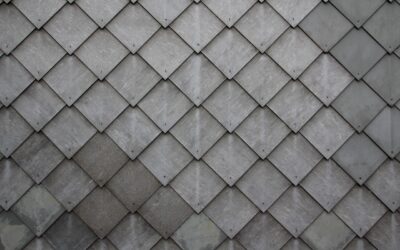
White subway tile made the classic 3×6 rectangle famous, but designers have quietly moved on — and a gray subway tile backsplash now sits near the top of most kitchen remodel wish lists. Gray hides splatters better than white, reads as neutral against nearly any cabinet color, and shifts from warm to cool depending on the undertone you pick. It is the low-risk upgrade that still looks intentional. Here is how to choose the shade, grout, and layout so the finished wall looks custom instead of builder-grade.
Part of our Kitchen Remodeling guide — explore the full guide →
Why Gray Works in More Kitchens Than White
Pure white backsplashes can feel stark next to warm wood or cream cabinets, and they show every drip of coffee and tomato sauce. Gray softens that contrast. A light dove gray brightens a small kitchen almost as much as white while forgiving daily use. A mid-tone or charcoal gray adds depth and drama, especially against white or navy cabinets where the contrast becomes the design.
Gray also plays well with the materials already in most kitchens — stainless appliances, quartz counters with gray veining, and brushed-nickel hardware all share the same cool family, so the room reads as coordinated rather than busy.
Choosing the Right Shade of Gray
Gray is never just gray. The undertone decides whether it feels crisp or muddy in your light:
- Cool grays lean blue and pair with white cabinets, marble-look quartz, and modern kitchens.
- Warm grays (sometimes called greige) lean brown and flatter oak, walnut, and cream cabinets.
- True neutral grays sit in the middle and are the safest choice if you plan to change cabinet colors later.
Buy two or three sample tiles and tape them to the wall for a day. North-facing kitchens make grays look colder, while warm LED bulbs push them warmer. Judge the shade in your own light before committing to a full order.
Grout Color Changes Everything
Grout is not an afterthought — it is half the design. With a gray subway tile backsplash you have three broad directions:
- Matching gray grout blends the joints and lets the wall read as one soft surface. Best for a calm, seamless look.
- White grout highlights each tile’s rectangle for a fresh, graphic pattern. It shows dirt faster, so use a stain-resistant epoxy or urethane grout near the stove.
- Charcoal or dark grout emphasizes the brick-like grid and hides grease and grime beautifully — the most forgiving choice behind a cooktop.
Whatever you pick, choose a mildew-resistant grout and seal cement-based grout after it cures. Epoxy grout costs more and is trickier to apply, but it never needs sealing and shrugs off kitchen stains.
Layout Patterns to Consider
The tile shape is traditional; the layout is where you make it yours. The standard running bond, where each row offsets by half a tile, is timeless and forgiving of slightly out-of-square walls. For something more current, try these:
- One-third offset: Each row shifts by a third instead of half, a subtle update that reads as more custom.
- Vertical stack: Tiles run straight up in columns for a modern, taller-looking wall.
- Herringbone: Tiles angle at 45 degrees for a rich, textured look — plan on 10 to 15 percent more tile for the extra cuts.
- Vertical herringbone: The same weave turned upright to draw the eye toward the ceiling.
Finish and Size Options
Glossy tile bounces light and cleans easily, which is why it dominates kitchens. Matte gray tile reads more contemporary and hides water spots but needs a good sealer if the tile is unglazed. Beyond the classic 3×6, gray subway tile now comes in 2×8, 3×12, and 4×12 formats. Longer, skinnier tiles feel modern and mean fewer grout lines to scrub. Handmade or zellige-style gray tiles bring subtle color variation and an artisan edge, though their uneven edges take more skill to set.
What It Costs
A gray subway tile backsplash is one of the better returns in a kitchen. Ceramic subway tile runs $2 to $8 per square foot for the tile itself; glass and handmade tiles climb to $15 to $30. A typical kitchen backsplash covers 30 to 40 square feet, so materials land between $100 and $400 for ceramic. Add $500 to $1,200 for professional installation, or tackle it yourself for the cost of thinset, grout, and a tile saw rental. Most homeowners finish a DIY backsplash over a weekend.
Installation Tips for a Clean Result
A few habits separate a professional-looking wall from an amateur one:
- Find and mark the center of your main wall, then dry-lay tiles to avoid ending with a sliver at a corner.
- Use 1/16-inch spacers for a tight modern joint or 1/8-inch for a more traditional grid.
- Spread thinset with a 3/16-inch V-notch trowel and back-butter glass or large-format tiles.
- Cut outlet openings with a rotary tool or wet saw, and use box extenders so covers sit flush over the new tile thickness.
- Wait 24 hours before grouting, and haze off excess with a damp sponge before it dries hard.
Making It Feel Designed
To keep a gray backsplash from feeling flat, pull the gray into one or two other elements — a gray-veined quartz counter, pewter cabinet pulls, or a slate-gray pendant shade. Carry the tile all the way to the underside of the upper cabinets, and behind a range consider running it to the ceiling as a feature. A gray subway tile backsplash is a low-cost, high-impact upgrade that flatters almost every kitchen, and the details you choose in grout and layout are what turn a safe neutral into a wall people notice.
Pairing Gray Tile With Cabinet Colors
Half the reason gray is so popular is how many cabinet colors it flatters. Against crisp white cabinets, a cool gray reads clean and modern while adding just enough contrast to define the wall. With navy or forest-green cabinets, a light dove gray keeps the room from feeling heavy. Warm greige tile is the natural partner for oak, walnut, and cream cabinets, echoing their undertones rather than fighting them.
Black and charcoal cabinets pair strikingly with a light gray backsplash for a high-contrast, contemporary kitchen. The safest rule: if your cabinets are warm-toned, pick a warm gray; if they are cool or crisp, pick a cool gray. Matching the temperature keeps the two elements reading as a coordinated pair.
Frequently Asked Questions
Is gray subway tile going out of style?
No. Subway tile is a century-old classic, and neutral gray is one of the most enduring colors in design. Because it is a texture-and-neutral choice rather than a trend color, a gray subway backsplash tends to age well and stays easy to update with new hardware or paint.
What grout color is best with gray subway tile?
For a seamless look, use a matching gray grout. For a crisp, graphic grid, use white grout (choose stain-resistant epoxy near the stove). For the most forgiving, grease-hiding option behind a cooktop, use charcoal or dark gray grout.
How much does a gray subway tile backsplash cost?
For a typical 30-to-40-square-foot kitchen, ceramic tile materials run $100 to $400. Professional installation adds $500 to $1,200, or you can DIY it over a weekend for the cost of thinset, grout, and a tile saw rental.
Prefer to explore on your own?
See how new flooring looks in your actual room in seconds — free, no signup.
Try the free Floor Studio →