Choosing floor tiles living room installations can feel overwhelming given the sheer number of materials, sizes, colors, and patterns available today. Tile has moved far beyond the cold, utilitarian surface many homeowners remember from decades past. Modern porcelain and ceramic tiles convincingly replicate hardwood, natural stone, and concrete while delivering durability that soft flooring materials simply cannot match. With over 30 years of hands-on experience installing flooring in every type of home, our team has watched tile become one of the fastest-growing choices for living room floors across the country.
- Best Tile Types for Living Rooms
- Tile Sizes and the Large Format Trend
- Wood-Look vs. Stone-Look Tiles
- Color Choices for Living Room Tiles
- Comfort and Temperature Considerations
- Underfloor Heating with Living Room Tiles
- Installation Tips for Living Room Tile
- Cost Guide for Living Room Floor Tiles
- Frequently Asked Questions
This guide breaks down the best tile types for living rooms, the size and format trends driving design decisions in 2026, cost expectations, and practical considerations like comfort and underfloor heating.
Best Tile Types for Living Rooms
Not every tile is suited for living room use. The right choice depends on your priorities around durability, aesthetics, and maintenance.
Porcelain tile is the top recommendation for living room floors. It is denser and harder than standard ceramic, with a water absorption rate below 0.5 percent. This makes porcelain resistant to stains, scratches, and moisture. Full-body porcelain, where the color runs through the entire thickness rather than just the surface, hides chips and edge wear better than glazed varieties.
Ceramic tile costs less than porcelain and works well in living rooms with moderate traffic. It is softer and easier to cut during installation, which can reduce labor costs. However, ceramic chips more easily and is more porous, making it less ideal for homes with pets or heavy foot traffic.
Natural stone tile including travertine, slate, marble, and limestone offers unmatched visual character. Each piece is unique, which appeals to homeowners seeking an organic, high-end look. The trade-off is maintenance: natural stone requires sealing and is more vulnerable to staining and etching than manufactured tile.
Luxury porcelain slabs are a newer category featuring ultra-thin, large-format tiles that can cover walls and floors with minimal grout lines. Brands like Dekton and Neolith produce these in sizes up to 5 by 10 feet, creating a seamless, modern aesthetic.
Tile Sizes and the Large Format Trend
Tile size has a dramatic impact on how your living room feels. The strong trend in 2026 is toward large format tiles, and for good reason.
Large format (24×24, 24×48, 32×32 inches): These are the most popular sizes for living room floors right now. Fewer grout lines create a cleaner, more expansive look that makes rooms feel larger. A 24×48 inch tile laid in a staggered pattern mimics the proportions of wide-plank hardwood while delivering all the benefits of porcelain.
Standard format (12×12, 12×24, 18×18 inches): Still widely used and more affordable. The 12×24 size is versatile and works in both traditional and contemporary settings. Smaller tiles also handle curves and irregularities in the subfloor more forgivingly than large format pieces.
Plank format (6×24, 6×36, 8×48 inches): These narrow rectangles are designed to replicate hardwood planks. Wood-look porcelain planks have become enormously popular in living rooms because they deliver the aesthetic of hardwood with the practical benefits of tile.
One important consideration with large format tiles: they require a perfectly flat subfloor. Even small dips or humps cause lippage, where tile edges sit at different heights. Subfloor leveling adds to the cost but is essential for a professional result with large tiles.
Wood-Look vs. Stone-Look Tiles
The two dominant aesthetic categories for floor tiles living room installations are wood-look and stone-look. Both have evolved dramatically in realism.
Wood-look tile uses inkjet printing technology to reproduce the grain, knots, and color variation of real hardwood. The best products are nearly indistinguishable from wood at a glance. They come in plank formats and are available in species-inspired designs including oak, walnut, hickory, and reclaimed barn wood. Wood-look tile is ideal for homeowners who love the warmth of hardwood but need the water and scratch resistance of porcelain.
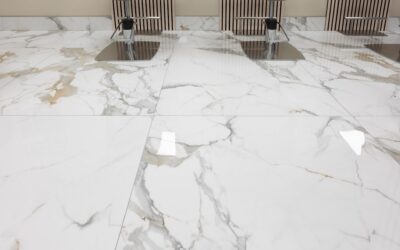
Stone-look tile replicates marble, travertine, slate, and concrete. Large-format stone-look porcelain in neutral tones like greige, warm white, and charcoal has become the default choice for contemporary living rooms. These tiles deliver the upscale appearance of natural stone at a fraction of the cost and with zero sealing requirements.
From a practical standpoint, wood-look planks tend to show dirt between the grout lines less than large-format stone-look tiles because the grout lines are narrower and follow the natural plank pattern. Stone-look tiles in lighter colors, however, make rooms feel brighter and more open.
Color Choices for Living Room Tiles
Color sets the mood for your entire living space. Here are the most popular choices and what they bring to a room:
Warm grey: The most popular tile color for living rooms in 2026. It works with virtually any wall color and furniture style, photographs well, and strikes a balance between modern and inviting.
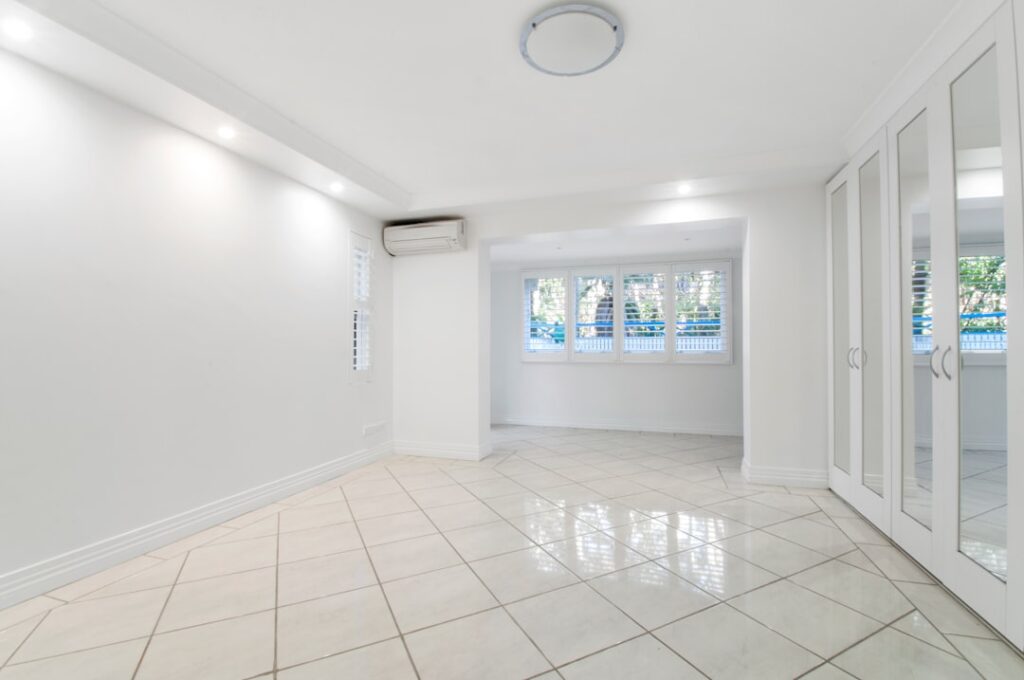
Warm white and cream: Creates a bright, airy feel that maximizes natural light. Popular in coastal, Mediterranean, and minimalist interiors. Requires slightly more cleaning to maintain a fresh appearance.
Beige and greige: A safe, versatile choice that complements both warm and cool color schemes. Beige tones are making a comeback after years of grey dominance.
Dark charcoal and black: Bold and dramatic, best suited to living rooms with abundant natural light and light-colored walls. Dark tiles show dust more readily but create a striking foundation for lighter furniture.
Natural wood tones: Medium brown, honey, and weathered grey wood-look tiles bring warmth without the cool formality of stone-look options. They work especially well in living rooms connected to kitchens and dining areas where visual flow matters.
Comfort and Temperature Considerations
The most common concern homeowners raise about floor tiles living room use is comfort. Tile is harder and cooler underfoot than carpet or wood, and this matters in a room where families spend hours sitting, playing on the floor, and walking barefoot.
Area rugs: The simplest solution. A large area rug in the seating zone provides comfort and warmth where you need it while keeping the beauty of tile visible around the perimeter and in walkways.
Underfloor heating: Radiant heat systems eliminate the cold-tile problem entirely. We cover this in detail in the next section, but it is worth noting that tile is the best flooring material for conducting radiant heat efficiently.
Cushioned furniture: Sofas, chairs, and ottomans with soft upholstery counterbalance the hard surface. In living rooms with tile floors, furniture becomes the primary source of physical comfort.
Anti-fatigue mats: For areas where you stand frequently, such as near a living room bar or standing desk, anti-fatigue mats with a decorative top layer reduce leg and back strain.
In warmer climates, the natural coolness of tile is actually an advantage. Homeowners in the southern states and southwestern regions specifically choose tile for living rooms because it stays cool in summer, reducing the load on air conditioning systems.
Underfloor Heating with Living Room Tiles
Tile is the single best flooring material for underfloor radiant heating systems. Its density and thermal conductivity allow heat to transfer efficiently from the heating element through the tile surface and into the room.
Electric radiant heat mats are the most common choice for living room tile renovations. These thin mats install directly in the thinset mortar beneath the tile, adding minimal height to the floor assembly. They heat up quickly and can be controlled by a programmable thermostat that warms the floor before you wake up or come home.
Hydronic systems use hot water tubing and are more efficient for whole-house heating but are typically only practical during new construction or major renovations due to the installation complexity.
The cost of electric radiant heat adds approximately $8 to $15 per square foot to a tile installation. For a 300-square-foot living room, that translates to $2,400 to $4,500 for the heating system itself. Operating costs depend on your electricity rates but typically run $0.50 to $1.00 per day for a single room.
One critical installation note: the heating mat must be fully embedded in thinset with no air pockets. Air gaps reduce heat transfer and can cause hot spots that damage the system over time.
Installation Tips for Living Room Tile
Professional tile installation in a living room requires attention to several details that affect the final result:
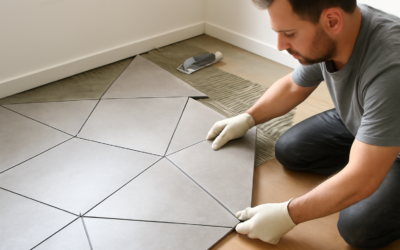
Subfloor preparation: Use a self-leveling compound to create a flat surface. For large format tiles, the subfloor should be flat to within 1/8 inch over 10 feet. Anything less risks lippage.
Layout planning: Dry-lay tiles before mortaring to check the pattern and ensure cut pieces at walls are not too narrow. A row of thin slivers along one wall looks unprofessional. Adjust the starting point so cuts are balanced on both sides of the room.
Grout selection: Epoxy grout resists staining better than cement grout but is harder to work with. For living rooms, a high-quality cement grout sealed after curing performs well and costs less. Choose a grout color that closely matches the tile to minimize the visual impact of grout lines.
Expansion gaps: Leave a 1/4-inch gap between tile and walls, covered by baseboards. Tile expands and contracts with temperature changes, and without this gap, the floor can tent or crack.
Transition strips: Where living room tile meets hallway hardwood or bedroom carpet, use a transition strip that accommodates the height difference cleanly. T-molding works for floors at the same height, while reducer strips handle changes in elevation.
Cost Guide for Living Room Floor Tiles
Budget for both materials and installation when planning floor tiles living room projects. Here are 2026 price ranges for a typical 300-square-foot living room:
- Ceramic tile: $1 to $5 per square foot for materials, $4 to $8 installed
- Porcelain tile: $3 to $10 per square foot for materials, $7 to $15 installed
- Wood-look porcelain planks: $4 to $12 per square foot for materials, $8 to $16 installed
- Natural stone: $5 to $30 per square foot for materials, $10 to $35 installed
- Large format porcelain slabs: $8 to $20 per square foot for materials, $15 to $30 installed
Additional costs include subfloor leveling ($2 to $5 per square foot), old flooring removal ($1 to $3 per square foot), and underfloor heating ($8 to $15 per square foot). For a mid-range porcelain installation in a 300-square-foot living room, expect a total project cost between $2,500 and $5,000.
Frequently Asked Questions
Is tile a good choice for a living room floor?
Tile is an excellent choice for living rooms, especially in homes with pets, children, or allergy concerns. Porcelain tile resists scratches, stains, and moisture while requiring minimal maintenance. The main trade-off is hardness underfoot, which is easily addressed with area rugs and underfloor heating.
What size tile is best for a living room?
Large format tiles in 24×24 or 24×48 inches are the most popular choice for living rooms in 2026. They create fewer grout lines, make rooms feel more spacious, and deliver a clean, contemporary look. For a more traditional feel, 12×24 tiles in a brick-lay pattern work well.
Do floor tiles make a living room cold?
Tile is naturally cooler than carpet or wood, but this is easily managed with underfloor radiant heating, which pairs perfectly with tile. Area rugs in seating zones also add warmth. In warm climates, the coolness of tile is actually a benefit that reduces cooling costs.
How do you keep living room floor tiles clean?
Regular sweeping or vacuuming removes debris, and damp mopping with a pH-neutral tile cleaner handles routine cleaning. Porcelain tile requires no sealing or special maintenance. Focus on keeping grout lines clean by sealing them after installation and spot-cleaning when needed.
Can you install floor tiles over an existing living room floor?
In many cases, yes. Tile can be installed over existing tile, concrete, or cement board as long as the surface is flat, structurally sound, and properly prepared. Installing tile over plywood requires a cement board underlayment or an uncoupling membrane like Schluter DITRA to prevent cracking.
Prefer to explore on your own?
See how new flooring looks in your actual room in seconds — free, no signup.
Try the free Floor Studio →