A quartz backsplash kitchen delivers a seamless, high-end look that is rapidly becoming the standard in luxury kitchen design. By extending the same engineered stone used on the countertops up the wall, you create a continuous surface that is both striking to look at and remarkably easy to maintain. No grout lines. No sealing. No staining. Just a clean, uninterrupted expanse of stone.
Over our 30-plus years in the kitchen installation business, we have watched quartz backsplashes evolve from a designer novelty to a mainstream upgrade. The look suits modern, transitional, and even traditional kitchens, and the practical benefits make it a strong competitor against tile, natural stone, and glass. Here is everything you need to know before committing.
What Is a Quartz Backsplash
A quartz backsplash uses engineered quartz — the same material used for countertops — as the wall surface between the countertop and upper cabinets. Engineered quartz is made from roughly 90 to 94 percent ground natural quartz crystals bound with polymer resins and pigments. The result is an extremely hard, non-porous surface that resists stains, scratches, and bacteria.
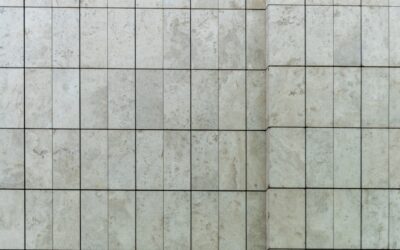
Quartz backsplashes are available in two formats. The most popular is a full slab — a continuous piece of quartz fabricated to the exact dimensions of your backsplash area. The alternative is quartz tile, which comes in standard tile sizes and installs with grout lines like any other tile. Each format has distinct advantages depending on your budget and desired aesthetic.
Full Slab vs Quartz Tile
The format you choose fundamentally changes the look, cost, and installation process of your quartz backsplash.
Full Slab Backsplash
A single piece (or minimal number of pieces) of quartz cut to cover the entire backsplash area. This approach eliminates grout lines entirely, creating a seamless, monolithic surface that reads as luxurious and intentional.
- Seamless, grout-free appearance
- Can match the countertop exactly when fabricated from the same slab
- Requires professional fabrication and installation
- Higher cost: $15 to $40 per square foot for materials plus $20 to $40 per square foot for fabrication and installation
- Best for: modern, transitional, and luxury kitchens
Quartz Tile Backsplash
Pre-cut quartz tiles in standard sizes (typically 4×4, 6×6, or 3×6) installed with thinset and grout like traditional tile. This format costs less than a full slab and offers more layout flexibility.
- More affordable entry point
- Available in various sizes and formats
- Grout lines are visible, which changes the aesthetic
- Can be a DIY project for experienced tile installers
- Cost: $8 to $20 per square foot for materials plus standard tile installation labor
- Best for: transitional and traditional kitchens
For most homeowners seeking the signature quartz backsplash look — that sleek, continuous surface — the full slab is the way to go. Quartz tile is a practical alternative when budget is a concern or when the kitchen style calls for visible grout lines.
Pros and Cons
Advantages of a Quartz Backsplash
- Non-porous surface — Quartz does not absorb liquids, which means no staining from wine, coffee, tomato sauce, or grease. Unlike natural stone, it never needs sealing.
- Low maintenance — Wipe clean with soap and water. No special cleaners, no annual sealing, no grout scrubbing (with the slab option).
- Seamless appearance — A full slab backsplash creates a clean, unbroken surface that elevates the entire kitchen.
- Countertop coordination — Matching the backsplash to the countertop creates a cohesive, designer-level look.
- Durability — Quartz is one of the hardest surface materials available, resisting scratches, chips, and impact.
- Consistent color — Unlike natural stone, quartz delivers uniform color and pattern from slab to slab.
Disadvantages of a Quartz Backsplash
- Heat sensitivity — Quartz can discolor or crack when exposed to sustained high heat. Keep the backsplash at least four inches from a gas range burner or install a heat shield. This is the primary limitation of quartz compared to natural stone or tile.
- Cost — A full slab quartz backsplash costs more than most tile options, especially when factoring in professional fabrication.
- Professional installation required — Full slab quartz is heavy and must be templated, cut, and installed by a professional fabricator. This is not a DIY project.
- Limited texture options — Quartz is primarily available in polished and honed finishes. You will not find the textured, handmade, or three-dimensional options available in tile.
- Seam visibility — On long walls, seams may be necessary where two slab pieces meet. Quality fabricators minimize seam visibility, but they can be noticeable in certain patterns.
Cost Breakdown
Here is what to budget for a quartz backsplash in 2026:
Full slab quartz backsplash (30 square feet):
- Materials: $450 to $1,200 ($15 to $40/sq ft)
- Fabrication and installation: $600 to $1,200 ($20 to $40/sq ft)
- Total installed: $1,050 to $2,400
Quartz tile backsplash (30 square feet):
- Materials: $240 to $600 ($8 to $20/sq ft)
- Installation labor: $240 to $450 ($8 to $15/sq ft)
- Total installed: $480 to $1,050
Many fabricators offer a discount on backsplash slabs when you order the countertop and backsplash together from the same material. Since the backsplash pieces are often cut from the same slab as the countertop, you can save 15 to 25 percent compared to ordering them separately.
Matching Your Countertop
One of the biggest advantages of a quartz backsplash is the ability to create a perfectly coordinated look with your countertop. Here are the approaches that work best:
Exact match — Use the same quartz color and pattern for both the countertop and backsplash. This creates a seamless, waterfall-like effect where the surface flows from horizontal to vertical without interruption. It is the most popular approach and delivers the strongest visual impact.
Same collection, different shade — Pair a lighter shade of the same quartz line on the backsplash with a darker shade on the countertop (or vice versa). This adds subtle contrast while maintaining a coordinated look.
Complementary contrast — Use a quartz backsplash that contrasts with the countertop — for example, a white quartz backsplash with a dark gray or black quartz countertop. This approach defines each surface distinctly while keeping the material consistent.
Veining alignment — If your quartz has a marble-look vein pattern, a skilled fabricator can align the vein direction between the countertop and backsplash so the pattern flows naturally from one surface to the other. This level of detail separates a professional installation from an average one.
Installation Process
A full slab quartz backsplash installation follows this process:
- Template — The fabricator visits your kitchen after the countertop is installed to create precise templates of the backsplash area, including cutouts for outlets, switches, and windows.
- Fabrication — The slab is cut, polished, and edge-finished at the fabricator’s shop. Outlet and switch cutouts are made with precision tools. This step takes one to two weeks.
- Wall preparation — The wall surface must be clean, dry, and reasonably flat. Minor imperfections are acceptable since the adhesive compensates for small variations.
- Installation — The fabricator applies silicone adhesive to the back of the slab and presses it against the wall. Mechanical supports hold the slab in place while the adhesive cures. The seam between the countertop and backsplash is sealed with color-matched silicone.
- Curing — The adhesive needs 24 hours to fully cure. Avoid putting stress on the backsplash during this period.
The entire installation typically takes two to four hours on site, not counting the one to two week fabrication lead time.
Design Ideas and Styles
A quartz backsplash adapts to multiple kitchen styles:
White marble-look quartz — The most popular quartz backsplash choice. Calacatta and Carrara-inspired quartz delivers the look of marble without the maintenance. Pair it with white or gray cabinetry for a clean, luxurious kitchen.
Full-height backsplash — Extending the quartz slab from countertop to ceiling creates a dramatic wall feature. This works best on walls without upper cabinets, such as behind a range with a decorative hood.
Waterfall integration — Combining a waterfall edge countertop with a matching quartz backsplash creates a continuous stone envelope that wraps the kitchen in a single material. This is the peak of modern kitchen design.
Dark and dramatic — Charcoal, black, or dark gray quartz backsplashes with lighter cabinets create bold contrast. Veined dark quartz adds depth and dimension to the wall surface.
Subtle solid color — A solid white, cream, or gray quartz slab creates a quiet, understated backsplash that lets the cabinetry and hardware be the kitchen’s defining features.
Maintenance and Care
Quartz backsplashes are among the lowest-maintenance options available:
- Daily cleaning — Wipe with a damp cloth and mild dish soap. Dry with a clean towel to prevent water spots on polished surfaces.
- Grease removal — A non-abrasive kitchen degreaser handles cooking splatters. Avoid harsh chemicals like bleach and oven cleaner.
- No sealing required — Unlike granite or marble, quartz never needs sealing because it is non-porous.
- Heat protection — Do not place hot pots or pans directly against the backsplash. The resin binders in quartz can discolor at temperatures above 300 degrees Fahrenheit. Use a range hood to direct heat upward and away from the backsplash surface.
- Scratch prevention — While quartz is highly scratch-resistant, avoid using abrasive pads or scouring powders that could dull the polished surface over time.
Frequently Asked Questions
Is a quartz backsplash worth the cost?
Yes, if you value a seamless, low-maintenance surface and are already investing in quartz countertops. The incremental cost of adding a quartz backsplash when ordering countertops is often less than installing a separate tile backsplash with professional labor. The result is a more cohesive, upscale look.
Can quartz backsplash handle heat from the stove?
Quartz is heat-resistant but not heatproof. Sustained temperatures above 300 degrees Fahrenheit can cause discoloration or cracking of the resin binders. Keep the backsplash several inches from gas range burners and use a range hood to vent heat upward. For the area directly behind a high-output range, some homeowners add a stainless steel or tile panel as an extra precaution.
Should the backsplash match the countertop exactly?
It does not have to, but matching is the most popular approach. An exact match creates a sleek, continuous look. A complementary contrast — such as a white backsplash with a dark countertop — also works well and adds visual definition between surfaces.
How thick is a quartz backsplash slab?
Most quartz backsplash slabs are fabricated at 2 centimeters (about 3/4 inch) thick, which is thinner than the standard 3-centimeter countertop slab. The thinner profile reduces weight and cost while still providing a substantial, high-quality appearance.
Can you install a quartz backsplash yourself?
A full slab quartz backsplash requires professional fabrication and installation due to the weight, precision cutting, and specialized adhesive application. Quartz tile, on the other hand, can be installed as a DIY project by homeowners with tile installation experience.
Prefer to explore on your own?
See how new flooring looks in your actual room in seconds — free, no signup.
Try the free Floor Studio →