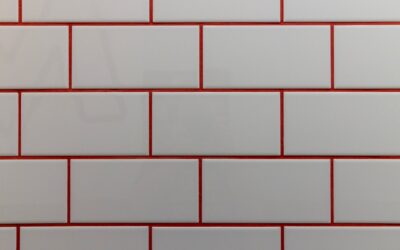
Putting a subway tile floor down is one of the fastest ways to give a bathroom or entry a crisp, tailored look, but there is a critical catch most tutorials skip: not all subway tile is rated to walk on. The thin glossy rectangles sold for backsplashes can be too slick and too fragile for floor duty. Choose the right tile and layout, though, and a subway-format floor is classic, budget-friendly, and surprisingly durable. Here is how to do it right.
Part of our Tile & Grout guide — explore the full guide →
Wall Tile vs Floor Tile: The Rating That Matters
Subway tile just means a rectangular tile, classically 3 by 6 inches, though 4 by 8, 4 by 12, and 2 by 8 are all common now. The shape tells you nothing about whether it belongs underfoot. Two specs do. First, check that the tile is rated for floor use, often shown as a PEI wear rating of 3 or higher for residential floors. Second, and most important for a floor, check the DCOF slip rating. A glossy wall subway tile may sit around 0.30, dangerously slick when wet, while a floor-rated matte or textured tile meets the 0.42 threshold recommended for interior wet floors.
The Honest Limitation
Here is the part showrooms downplay. That gorgeous high-gloss white subway tile you love on the shower wall will likely be a slip hazard on the shower floor or bathroom floor. Wall tile is also often thinner and more prone to cracking under point loads. If you want the subway look on the floor, buy a porcelain subway tile specifically labeled for floor use with a matte finish and a DCOF at or above 0.42. Do not repurpose leftover wall tile for the ground. It is the single most common mistake I see homeowners make.
Layout Patterns That Shine on Floors
The elongated shape opens up more floor patterns than a standard square tile.
- Running bond (brick): The classic 50 percent offset. Simple, timeless, forgiving of minor wall irregularities.
- Herringbone: Angled 45 or 90 degrees for a rich, custom look that hides slightly out-of-square rooms.
- Straight stack: Clean grid lines for a modern, minimal feel.
- One-third offset: A subtler brick pattern that avoids the “lippage smile” long tiles can create at the center of a 50 percent offset.
With long tiles, watch for lippage, where the center of one tile sits higher than the end of its neighbor. Using a one-third rather than one-half offset and a leveling clip system keeps the surface flat.
Grout Durability Underfoot
Floors flex and take abuse walls never see, so grout choice matters more. Because subway tile has lots of joints, you will have a lot of grout to keep clean. Use a sanded grout for the joint widths typical on floors, seal cement grout after curing, and reseal periodically. In bathrooms and mudrooms where water and grit are constant, epoxy grout is worth the extra cost and effort because it resists staining and never needs sealing. A darker grout also hides the traffic dirt that a white-grout floor shows within weeks.
Where a Subway Tile Floor Works
This format is a natural for bathrooms, powder rooms, mudrooms, laundry rooms, and small entryways, spaces where the fine grid feels intentional and the scale suits the room. In very large open areas, all those joints can read busy and mean more grout maintenance, so bigger-format tile is often the smarter call there. Radiant heat pairs beautifully with any porcelain subway floor, taking the chill off the hard surface.
Tile Material and Size
For floor use, porcelain beats ceramic almost every time. Porcelain is fired denser, absorbs less water, and stands up to foot traffic and dropped objects far better than the softer ceramic bodies used for many wall tiles. If you want the through-body color that hides chips, look for a porcelain rated for floors. Size also affects the result. The classic 3×6 makes a fine-grained floor with lots of grout lines, while larger 4×12 or 4×16 subway tiles cover ground faster and cut down on joints, which many people prefer underfoot. Bigger planks demand a flatter subfloor and careful attention to lippage, so weigh the look you want against the install effort.
Subfloor Prep and Installation
A floor tile install lives or dies on preparation. The substrate must be rigid enough that it does not flex, because deflection is what cracks floor tile and grout. Over a wood subfloor, that usually means adding cement backer board or an uncoupling membrane before you set tile. Concrete slabs need to be clean, flat, and crack-free, with movement handled by an isolation membrane. Use a thinset rated for your tile and trowel it to full coverage, especially with long subway tiles that can crack if they bridge a hollow spot. Back-butter large tiles for a solid bond. These steps are why a floor install is more involved than a backsplash and why many homeowners hire out the larger jobs.
Cleaning and Long-Term Care
Floors collect grit, and grit is abrasive, so sweep or vacuum a subway tile floor regularly to protect the surface and keep the grout from grinding down. Damp-mop with a pH-neutral cleaner and avoid harsh acids that erode cement grout. Because these floors have so many joints, sealing cement grout and resealing every year or two makes a real difference in how the floor ages. A darker grout hides the inevitable traffic soil, while a light grout looks stunning on day one but demands more upkeep to stay that way.
Cost of a Subway Tile Floor
Budget is one of subway tile’s friendliest features. Plain white porcelain subway tile often runs $2 to $6 per square foot for material, though handmade and specialty finishes climb higher. Because the format involves many pieces and, with patterns like herringbone, many angled cuts, installation labor tends to run more than for a large-format floor, typically $8 to $15 per square foot depending on the pattern and your region. Factor in setting materials, grout, sealer, and any backer board or membrane for the subfloor. Even so, a simple running-bond subway floor is one of the more affordable ways to get a classic, custom-looking tiled floor, especially if you handle the install yourself.
Buying It Right
A subway tile floor rewards you with classic style at a friendly price, as long as you buy floor-rated porcelain with a DCOF of 0.42 or higher, choose a lippage-friendly offset, and seal or upgrade your grout. Skip the tempting leftover wall tile, plan your pattern for the room’s size, and you get a floor that looks custom and holds up to real daily traffic.
Prefer to explore on your own?
See how new flooring looks in your actual room in seconds — free, no signup.
Try the free Floor Studio →