Wall-hung vanities have moved from high-end spec homes to mainstream bathrooms, and the veneto floating bathroom vanity is one of the lines that shows up again and again in mid-range remodels chasing that clean, European look. I’ve hung a number of floating vanities over the years, and the questions homeowners always ask are the same: is it sturdy, how hard is it to install, and does it hold enough to be practical. Here’s a straight review of what the Veneto-style floating vanity offers, where it earns its price, and what you need to know before you commit to hanging a sink on the wall.
Part of our Bathroom Remodeling & Flooring guide — explore the full guide →
What Defines the Veneto Look
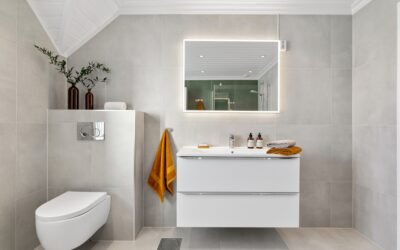
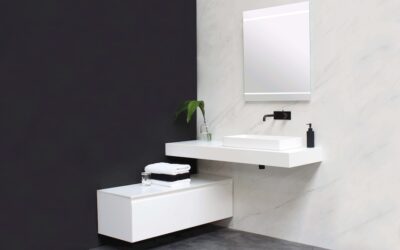
The Veneto floating vanity is a wall-mounted cabinet with no legs touching the floor, typically finished in a horizontal wood-grain laminate or a matte painted front with clean, handleless or slim-pull drawers. The signature feature is the reveal of open floor beneath it, which makes the bathroom read larger and gives the room a modern, hotel-suite feel. Most versions come with a matching mirror or medicine cabinet and an integrated or vessel sink option. The design language is minimalist: flat slab drawer fronts, a rectangular sink, and a low-profile top that keeps the whole piece looking light on the wall.
Available Sizes
Floating vanities in this style usually come in a spread of widths so you can match the room:
- 24 inch: single sink for a small bath or powder room
- 30 to 36 inch: the most popular single-sink sizes for a standard bathroom
- 48 inch: a large single sink with generous drawer storage, or a compact double
- 60 to 72 inch: double-sink configurations for a primary bath
Depth typically runs 18 to 19 inches, slightly shallower than a traditional 21-inch vanity, which suits the streamlined look. Mounting height is up to you, one of the real advantages of a floating design, but most installers set the counter around 32 to 34 inches to match a comfortable use height.
Construction and Materials
Most Veneto-style vanities are built from moisture-resistant engineered wood or plywood with a laminate or melamine skin, chosen because it stands up to bathroom humidity better than solid wood that can swell and crack. The drawers usually ride on soft-close, full-extension glides, and the better versions use dovetailed or dowel-joined drawer boxes rather than stapled ones. Tops come as an integrated acrylic or cultured-marble piece with the sink molded in, or as a separate stone top with an undermount or vessel bowl depending on the configuration you order. The hardware is where quality shows: soft-close glides and a solid mounting cleat separate a vanity that stays tight on the wall from one that sags over time.
Installation: The Part That Matters Most
This is the single most important thing to understand about any floating vanity. It hangs entirely off the wall, so the wall has to carry the full weight of the cabinet, the stone or acrylic top, the water in the trap, and anyone who leans on it. That means solid blocking behind the drywall, not just screws into studs where they happen to fall.
- Locate the studs and, ideally, install a horizontal 2×8 or 2×10 blocking board between them at mounting height before the wall is closed up. On an existing wall, open the drywall, add blocking, and patch.
- Mark a dead-level line for the mounting cleat or the top of the cabinet. Level is critical; a floating vanity has no legs to shim, so any error shows instantly.
- Secure the mounting bracket or French cleat into the blocking with heavy lag screws or structural screws rated for the load.
- Hang the cabinet, confirm level and plumb, then connect the plumbing, which enters through the back panel.
Skip the blocking and you’ll be re-hanging a drooping vanity within a year. Done right, a floating vanity is rock solid and easily supports the weight of daily use.
Living With It: The Good
The open floor beneath a floating vanity genuinely makes a small bathroom feel bigger, and it makes cleaning easier since you can mop straight under it with no toe kick to trap grime. The adjustable mounting height is a real perk for taller users or anyone who’s tired of stooping to a builder-standard 32-inch sink. The drawers, when the plumbing allows, offer more usable storage than a door cabinet, and the soft-close hardware on the better units feels smooth and quiet. Aesthetically, the clean horizontal lines look expensive and pair well with modern tile and fixtures.
Living With It: The Compromises
Floating vanities trade some storage and simplicity for that clean look. The plumbing must be roughed in to exit the wall at the right height rather than coming up through the floor, which can mean re-plumbing in an older bathroom. Storage is a little less than a floor-standing cabinet of the same width because the design keeps the box shallow and the plumbing still intrudes. And the install is genuinely more demanding than dropping a legged vanity on the floor; if your wall lacks blocking, the added labor to open and reinforce it is real. Finally, an integrated acrylic top scratches more easily than stone, so if you order the budget top, treat it gently.
Plumbing Rough-In: Plan Ahead
The single most overlooked detail with a floating vanity is where the plumbing exits the wall. Because the cabinet hangs off the floor with open space beneath, the drain and supply lines must come out of the wall at the correct height rather than up through the floor, and they have to land where the vanity’s back panel has clearance for them. On new construction or a stud-out remodel, this is easy: rough the drain in around 16 to 18 inches above the finished floor and the supplies just below the cabinet’s interior, coordinated with the specific Veneto model’s cutout. On a retrofit over an existing floor-drain rough-in, you may need to open the wall and relocate the drain to a wall stub, which is real plumbing work to budget for.
Some floating vanities use a bottle trap or a slim P-trap to keep the plumbing compact and out of sight, since the underside is partly visible. If your model shows the trap, a chrome bottle trap looks tidier than a standard white PVC trap. Confirm the drain height on the spec sheet before your plumber roughs anything in, because a drain set for a floor-standing vanity will not line up with a wall-hung one.
Care and Long-Term Durability
A well-installed floating vanity is durable, but a few habits protect the finish and the mount. Wipe up standing water promptly, since the laminate or melamine skin, while moisture-resistant, can eventually swell at a seam if water pools against it for long periods. Do not sit or put heavy weight on the cabinet or counter; a floating vanity is engineered for normal use, and the mounting relies on the wall blocking, not the floor, to carry load. Every year or two, check the mounting hardware is still snug, especially in the first year as the wall settles.
The acrylic or cultured-marble integrated tops that come with many Veneto-style vanities clean easily with mild soap but can scratch or dull if you use abrasive cleaners or scouring pads, so stick to soft cloths and non-abrasive cleaners. If you ordered a stone top, it is more scratch-resistant but may need periodic sealing if it is a natural stone like granite or marble. Treated well, a floating vanity holds its clean modern look for the long haul, and the open floor beneath keeps the room feeling bright and easy to clean year after year.
Price and Who It’s For
Expect roughly $400 to $900 for a 30 to 36 inch single, $900 to $1,800 for a 60 to 72 inch double, depending on the top and hardware. That puts the Veneto style in the mid-range: more than a basic builder vanity, less than a full custom piece. It’s the right choice for a homeowner who wants a modern, open, hotel-style bathroom and either has, or is willing to add, proper wall blocking. If you want maximum storage, a simple install into an unreinforced wall, or a traditional look, a floor-standing vanity serves you better. But for a clean contemporary remodel, a well-installed veneto floating bathroom vanity delivers the light, spacious, high-end feel that keeps this style in demand, and the adjustable height and easy-to-clean open floor are perks you’ll appreciate long after the remodel is done.