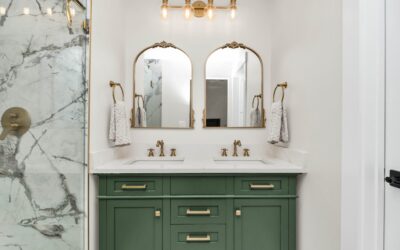
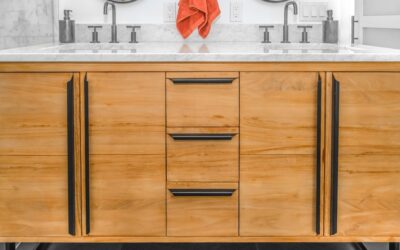
Few upgrades transform a master bathroom like a spacious double-sink vanity. A 72 inch bathroom vanity double sink gives two people room to get ready at once, doubles the countertop space, and adds a generous bank of storage below. At six feet wide, it is the sweet spot for larger bathrooms, big enough for real elbow room but still fitting many standard master baths. This guide covers sizing, layout, materials, countertop choices, costs, and installation so you can pick the right vanity with confidence.
Part of our Bathroom Remodeling & Flooring guide — explore the full guide →
Is a 72-Inch Vanity Right for Your Bathroom?
A 72-inch vanity needs a wall of at least six feet, and ideally a bit more for comfortable clearance on the ends. Before buying, confirm your space works:
- Wall width: Measure the available wall. You want at least 72 inches of clear run, plus a few inches so the vanity is not jammed against a side wall or door casing.
- Floor clearance: Building guidelines recommend at least 21 inches of clear floor space in front of the vanity, and 30 inches is more comfortable.
- Door swings: Make sure the bathroom door and any shower door do not collide with drawers or the vanity front.
- Plumbing: Double sinks need two drain lines and two sets of supply lines. If you are converting from a single sink, factor in plumbing work.
Standard vanity height runs 32 to 36 inches. The taller “comfort height” of 36 inches suits most adults and reduces bending, while 32 inches works better for children’s bathrooms.
Layout Options for a Double Vanity
At 72 inches, you have flexibility in how the sinks and storage are arranged:
- Two sinks with center storage: The most popular layout, placing a bank of drawers or a cabinet between the two basins, great for shared storage and separating the two zones.
- Two sinks with outboard drawers: Drawers on the far left and right, giving each person their own stack.
- Sinks toward the center: Placing basins closer together frees up counter space on the outer edges for grooming gear.
Think about how you and your partner actually use the space, then choose the drawer and door arrangement that keeps each person’s essentials within reach.
Cabinet Materials and Construction
Vanity quality varies widely, and it shows over years of humidity and daily use. Look at the cabinet box and doors:
- Solid wood: The most durable and repairable, typically oak, maple, or birch. Premium price, but it lasts.
- Plywood boxes: Strong and moisture-resistant, a great middle ground.
- MDF: Smooth and affordable, good for painted finishes, but vulnerable to water damage if the finish is breached.
- Particleboard: The cheapest, least durable option; avoid it in a humid bathroom if you can.
Check the hardware, too. Soft-close drawer glides and hinges, and full-extension drawers, signal a quality build that will hold up. Dovetailed drawer boxes outlast stapled ones.
Countertop and Sink Choices
The top makes a huge difference in both looks and durability:
- Quartz: Engineered stone that is nonporous, stain-resistant, and low-maintenance. A top choice for bathrooms.
- Granite: Natural stone with unique veining; needs periodic sealing but is very durable.
- Marble: Luxurious but softer and prone to etching from acidic products; best for careful households.
- Cultured marble: An affordable molded top, often with integrated sinks.
- Solid surface: Seamless and repairable, with integrated bowls available.
For sinks, choose between undermount (mounted below the counter for easy wiping and a clean look), drop-in (budget-friendly, sits on top), or vessel (a bowl sitting on the counter for a bold, spa-like statement). Undermount is the most practical for daily use.
Cost Breakdown
A 72-inch double vanity spans a wide price range depending on materials:
- Budget vanities: $600 to $1,200, often with MDF or particleboard boxes and cultured marble tops.
- Mid-range: $1,200 to $2,800, with plywood or solid-wood construction and quartz or granite tops.
- High-end/custom: $3,000 to $6,000 or more for solid wood, premium stone, and designer hardware.
Add faucets ($80 to $400 for a pair), and installation. Professional installation, including plumbing hookup, runs $300 to $1,200 depending on complexity and whether you are converting from a single sink. Budget more if new plumbing rough-in is required.
Installation Tips
Installing a double vanity is a moderate DIY project if the plumbing is already in place:
- Shut off the water and disconnect the old vanity first.
- Check that the floor is level; shim the cabinet as needed so the countertop sits true.
- Anchor the cabinet to wall studs, not just drywall, to prevent tipping.
- Dry-fit the top before sealing, then set it with silicone adhesive.
- Connect both drains and both hot/cold supply lines, using new supply hoses and shutoff valves.
- Run a bead of caulk along the backsplash and where the top meets the wall to keep water out.
If you are moving drain locations or adding a second sink where there was one, hire a licensed plumber for that portion.
Storage Features Worth Paying For
One of the biggest advantages of a 72-inch double vanity is the sheer amount of storage, but not all cabinets use that space equally well. When comparing models, look for features that make daily life easier:
- Deep drawers instead of doors: Full-extension drawers put everything within reach and use the cabinet depth far better than a door-and-shelf combo where items get lost in the back.
- Drawers notched around plumbing: The best vanities design drawers to wrap around the P-traps, reclaiming space that would otherwise be dead.
- Built-in outlets: An in-drawer or in-cabinet outlet lets you charge and store hair dryers and electric toothbrushes out of sight.
- Dividers and organizers: Cutlery-style trays, tip-out trays at the sink front, and pull-out hampers keep clutter under control.
- Soft-close everywhere: Soft-close hinges and glides prevent slamming and extend the life of the cabinet.
Also think about the vanity’s style relative to your bathroom’s design. A freestanding, furniture-style vanity on legs reads traditional and shows more floor, which can make a bathroom feel larger. A floating (wall-mounted) vanity delivers a sleek, modern look and makes cleaning the floor easy, though it must be anchored into blocking or studs to carry the weight of a stone top and two sinks. Shaker-style doors suit transitional and farmhouse baths, while flat-panel slab fronts fit contemporary spaces. Match the finish and hardware to your faucets and mirrors for a pulled-together look. Spending a little more on quality construction and smart storage pays off every single day, since the vanity is one of the most-used fixtures in the entire home.
Frequently Asked Questions
How much space do I need for a 72-inch double vanity? At least six feet of wall width plus clearance, and ideally 30 inches of clear floor space in front. Confirm doors and shower enclosures do not interfere.
Can I convert a single sink to a double sink vanity? Yes, but you will need a second drain and second set of supply lines added by a plumber. Factor that plumbing work into your budget, typically a few hundred dollars extra.
What is the best countertop for a bathroom vanity? Quartz is the most popular for its nonporous, stain-resistant, low-maintenance surface. Granite is a durable natural alternative that needs occasional sealing.
What height should a double vanity be? Comfort height (36 inches) suits most adults and reduces bending. Standard height (32 to 34 inches) is better for households with young children.
Freestanding or floating vanity, which is better? Freestanding, furniture-style vanities read traditional and are easier to install since they rest on the floor. Floating, wall-mounted vanities give a sleek, modern look and make floor cleaning easy, but they must be anchored into wall blocking or studs to bear the weight of a stone top and two sinks. Choose based on your style and whether your wall framing can support the load.
How long does it take to install a 72-inch double vanity? If the plumbing is already in place, a confident DIYer can set the cabinet, top, sinks, and faucets in about half a day. Converting from a single sink or relocating drains adds time and usually a plumber, extending the job to a full day or more.
A 72 inch bathroom vanity double sink is a worthwhile investment that brings comfort, storage, and resale appeal to a larger bathroom. Measure your space carefully, choose durable cabinet construction and a quartz or granite top, and plan for the plumbing, and you will enjoy a functional, beautiful centerpiece for your bathroom for many years.