Walk into a kitchen with hand-formed tile and you notice it instantly. The subtle color shifts, the gentle waves in the glaze, the way light catches each slightly uneven edge give the wall a depth that machine-made tile simply cannot fake. A handmade tile backsplash brings artisan character to the busiest surface in your home, and it has become one of the most requested upgrades in kitchen renovations. Before you fall in love with a sample, it helps to understand what makes these tiles special, what they cost, and how to install them so their handcrafted beauty lasts for decades.
Part of our Kitchen Remodeling guide — explore the full guide →
- What Makes Handmade Tile Different
- Popular Styles and Where They Shine
- Handmade Tile Backsplash Cost
- Layout and Design Considerations
- Installation Tips for Lasting Results
- Maintenance and Care
- Is a Handmade Tile Backsplash Worth It?
- How Much Tile to Order
- Working with a Tile Setter
- Frequently Asked Questions
What Makes Handmade Tile Different
Handmade tiles are shaped, glazed, and fired individually or in small batches, often using centuries-old techniques. Because human hands and natural clay are involved, no two pieces are identical. You will see variation in thickness, size, and glaze pooling, all of which read as authenticity rather than flaws.
The most popular categories homeowners choose include:
- Zellige: Moroccan clay tiles glazed and fired by hand, prized for their glossy, watery surface and rich color depth
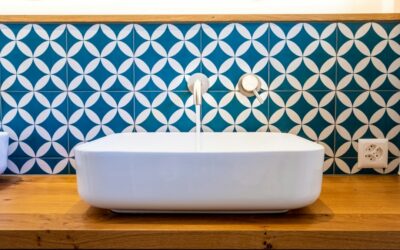
- Cement (encaustic): pigmented cement pressed into molds, offering bold patterns and a matte finish
- Terracotta: warm, earthy fired clay, sometimes left unglazed for a rustic look
- Hand-glazed ceramic: standard-shape tiles finished with artisan glazes for organic color variation
The trade-off for that beauty is inconsistency. Zellige in particular can vary by an eighth of an inch in size, which affects how you set and grout it.
Popular Styles and Where They Shine
Zellige suits kitchens that want a light-catching, almost liquid backdrop. Its irregular surface reflects sunlight differently throughout the day, so a plain white zellige wall never looks flat. It pairs beautifully with warm brass fixtures and unlacquered hardware.
Cement tile is the go-to when you want a graphic focal point. A patterned cement backsplash behind a range acts like a piece of art, and it works especially well in Mediterranean, farmhouse, and eclectic kitchens. Terracotta leans rustic and Tuscan, warming up spaces with lots of wood and natural stone.
Handmade Tile Backsplash Cost
Artisan tile costs more than mass-produced options because of the labor involved. Expect a wide range depending on origin and material.
- Hand-glazed ceramic: $8 to $25 per square foot
- Zellige: $15 to $50 per square foot
- Cement tile: $12 to $40 per square foot
- Terracotta: $7 to $30 per square foot
Installation adds another layer to the budget. Because handmade tile requires more careful setting, tile setters often charge a premium of $10 to $25 per square foot for labor, compared with $7 to $14 for standard subway tile. For a typical 30-square-foot backsplash, plan on a total project cost of $700 to $2,500 depending on the tile you choose. Always order 15 to 20 percent extra to account for cuts, breakage, and future repairs, since dye lots vary and matching later is nearly impossible.
Layout and Design Considerations
Because handmade tiles vary in size, the classic tight, uniform grout line is off the table, and that is a good thing. Embrace slightly wider, irregular joints that let the tile breathe. Straight-stack and running-bond layouts both showcase color variation well, while herringbone highlights the handcrafted edges.
Order tile from a single production run whenever possible, and dry-lay a section on the floor before setting to blend lighter and darker pieces evenly across the wall. This prevents a distracting cluster of dark tiles in one corner. For patterned cement tile, lay out the entire design flat first to confirm the pattern reads correctly across the space.
Installation Tips for Lasting Results
Handmade tile is more demanding to install than factory tile, and a few practices make all the difference.
Sealing Comes First
Unglazed terracotta, cement tile, and porous zellige should be sealed before grouting. A penetrating sealer prevents grout haze from staining the surface and protects against kitchen splatters. Cement tile usually needs two coats before grout and a topcoat afterward.
Choose the Right Adhesive and Grout
Use a white polymer-modified thin-set for light-colored tiles so the adhesive does not shadow through. Pick an unsanded grout for narrow joints and a sanded grout only if joints exceed an eighth of an inch. A grout color close to the tile hue keeps irregular lines from looking busy.
Set for the Variation
Back-butter each tile to fill the uneven backs and press firmly for full contact. Skip plastic spacers with zellige; instead, hand-space the tiles by eye to keep the joints organic. Work in small sections so the thin-set does not skin over before you set the next tile.
Maintenance and Care
Once installed and sealed, a handmade backsplash is easy to live with. Wipe glazed zellige and hand-glazed ceramic with a damp cloth and mild dish soap. Avoid abrasive pads and harsh acidic cleaners, which can dull glazes and etch cement tile.
Reseal porous tiles like cement and terracotta once a year, or when water stops beading on the surface. Grout lines benefit from an annual sealer application too, which keeps them resisting grease and stains behind the cooktop. With this light routine, the tile only grows more beautiful as its patina deepens over time.
Is a Handmade Tile Backsplash Worth It?
For homeowners who want a kitchen that feels crafted rather than assembled, the answer is almost always yes. You pay more upfront in both tile and labor, and you accept a degree of imperfection that is the whole point of the material. In exchange you get a surface with genuine character, one that photographs beautifully and reads as high-end to any buyer.
If your budget is tight, consider using premium handmade tile only on a focal wall behind the range and pairing it with a more affordable field tile elsewhere. That approach delivers the artisan impact where it matters most while keeping costs in check. However you scale it, a handmade tile backsplash rewards the extra effort with a wall you will enjoy every single day.
How Much Tile to Order
Measuring accurately keeps you from running short mid-project, which is a real risk with artisan tile because dye lots change. Measure the width of each wall section you plan to cover and multiply by the height, typically 18 inches from countertop to the underside of the upper cabinets. Add the areas together to get your square footage.
Then add 15 to 20 percent for cuts, breakage, and future repairs. Zellige in particular arrives with a percentage of chipped or warped pieces that you will cull, so ordering generously is not optional. Keep a box of leftovers after installation, since matching a fresh order to your existing wall years later is nearly impossible.
Working with a Tile Setter
If you hire out the installation, choose a setter with specific experience in handmade tile. Ask to see photos of zellige or cement tile jobs they have completed, and confirm they understand the sealing and back-buttering steps. An installer used only to uniform factory subway tile may fight the natural variation or set the tiles too rigidly.
Discuss grout joint width and color before work begins, and ask the setter to blend tiles from multiple boxes as they go. A good artisan-tile installer treats the wall almost like a mosaic, arranging shades intentionally rather than pulling straight from one box. That extra care is exactly what you are paying for.
Frequently Asked Questions
Is handmade tile suitable behind a stove?
Yes, glazed zellige and hand-glazed ceramic handle heat and splatter well and wipe clean easily. Just seal any porous tile and grout first so grease does not soak in. Cement tile also works but needs diligent sealing to resist staining.
Does handmade tile chip easily?
Fired ceramic and zellige are reasonably durable once set, though their handmade edges can be more delicate than machine-cut tile. Terracotta and cement are softer and can scratch, which is why sealing and gentle cleaning matter.
Can I install handmade tile myself?
A patient DIYer can, but the irregular sizing makes it harder than standard tile. Practice your layout on a board first, and be prepared to hand-space every piece. If you are new to tiling, start with a small section.
How is handmade subway tile different from machine-made subway tile?
Handmade subway tile has slightly uneven edges, varied thickness, and glaze that pools and shifts in color from piece to piece, while machine-made subway tile is uniform and flat. The variation gives the wall depth and movement, but it also means wider, less perfect grout lines and slower installation. Expect to pay more for both the tile and the labor.
How do you finish the edges of a handmade tile backsplash?
Finish exposed edges with matching bullnose or trim pieces when the tile line offers them, or use a slim metal edge profile. Some handmade tiles have a finished, glazed edge that can be left exposed. Plan the stopping points before setting tile, such as the end of the counter, the cabinet line, or a window casing, so the edge looks deliberate.
How do you clean grease off a handmade tile backsplash?
Wipe grease with warm water and a few drops of mild dish soap on a soft cloth, then rinse and dry. For buildup behind the range, let the soapy solution sit for a minute before wiping. Skip abrasive pads, scouring powders, and acidic cleaners, which can dull handmade glazes and etch cement or terracotta tile.
Whichever route you take, a handmade tile backsplash rewards careful planning with a wall full of character that no factory product can match.
Prefer to explore on your own?
See how new flooring looks in your actual room in seconds — free, no signup.
Try the free Floor Studio →