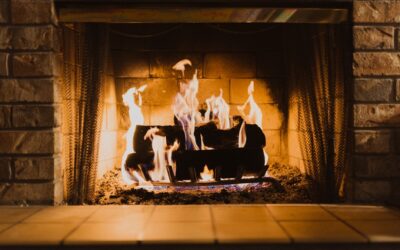
A linear gas fireplace is the long, low, horizontal fireplace you see in modern homes and hotel lobbies: a wide ribbon of flame behind a single pane of glass, often 3 to 6 feet across. Unlike a plug-in electric unit, this is a real gas appliance. It burns natural gas or propane, produces genuine combustion heat, and requires a gas line, proper venting, and professional installation.
It is worth being clear up front, because people shop these next to electric fireplaces and assume they’re similar. They’re not. A linear gas fireplace is a permitted, vented, gas-burning appliance with real safety requirements. Get it wrong and you’re dealing with carbon monoxide or a gas leak. Get it right and it’s the most dramatic heat source in the house. Here’s what you need to know.
Direct-Vent Is the Standard
Almost every quality linear gas fireplace today is a sealed direct-vent unit. That means a single coaxial pipe runs to the outside: the inner pipe exhausts combustion gases, and the outer pipe pulls in fresh outside air for combustion. The firebox is sealed behind glass, so it never uses your indoor air and never dumps exhaust into the room.
Direct-vent pipe can run horizontally out a sidewall or vertically up through the roof, with limits on total length and number of elbows set by the manufacturer, typically up to 40 feet of combined run depending on the model. Ventless (vent-free) linear units exist and burn cleaner than they used to, but they release all combustion moisture and byproducts into the room, are banned in some states and in bedrooms, and direct-vent is the better choice for most homes for peace of mind.
Heat Output and Gas Supply
Linear units run hot because they have so much burner length. BTU input typically ranges from 20,000 on a small 36-inch unit to 40,000 or more on a 60 to 72-inch model. That’s enough to heat 700 to 1,400 square feet as a primary or supplemental source. Many models include a variable flame and a blower to push more heat into the room.
The appliance needs a dedicated gas line sized for its BTU load. A plumber or gas fitter runs a 1/2-inch or larger line from your meter or propane tank and installs a shutoff valve at the unit. Natural gas and propane versions use different orifices, so the fireplace must be ordered or converted for your fuel. This is not a DIY hookup: gas line work almost always requires a licensed pro and a permit.
Ignition and Controls
You’ll choose between two ignition systems:
- Standing pilot. A small pilot flame burns continuously. It works during a power outage but wastes a little gas year-round.
- Intermittent pilot ignition (IPI). An electronic spark lights the pilot only when you want a fire, saving gas, but it needs power or a battery backup to light during an outage.
Most modern linear fireplaces use IPI with a wall switch, remote, or thermostat, plus battery backup. They also include a flame-sensing safety that cuts the gas if the flame goes out, so unburned gas can’t accumulate.
Clearances, Framing, and the TV Question
Linear fireplaces get built into a wall, so framing and clearances matter. The manufacturer specifies clearance to combustibles: how far studs, mantels, and finish materials must stay from the firebox and vent. The area directly above the unit can get very hot, so if you want a TV above it you must confirm the model’s rated mantel and TV clearances, and many builders add a heat-management kit or a bump-out that vents hot air away from the screen.
Finish materials right around the opening should be non-combustible, tile, stone, or steel, not drywall butted to the glass. The glass front itself gets dangerously hot, often 400 degrees F or more, so a factory safety screen or barrier is required by code to prevent burns, especially with kids around.
Carbon Monoxide and Detectors
Any gas-burning appliance can produce carbon monoxide if it isn’t venting properly. A cracked vent, a blocked termination cap, or a bird’s nest in the pipe are the usual culprits. Because CO is odorless, you protect against it with hardware, not your nose:
- Install a UL-listed carbon monoxide detector in the room and on each level of the home; replace units every 5 to 7 years.
- Keep the exterior vent termination clear of snow, leaves, and nests.
- If the flame turns lazy and yellow instead of crisp blue-based, shut it off and call a technician.
Annual Service Is Not Optional
Direct-vent fireplaces need annual professional service to stay safe and look their best. A technician checks and cleans the burner and pilot, inspects the venting and termination, tests the gas pressure and the flame-sensing safety, cleans the glass and re-seals the gasket, and clears dust off the logs or glass media. Expect to pay $150 to $250 for a routine service call. Skipping it lets soot build on the glass, degrades the gasket seal, and can cause improper combustion.
Media Options and the Modern Look
Part of what defines the linear look is what sits in the burner pan. Traditional ceramic logs give a familiar campfire appearance, but most contemporary installs skip logs entirely. Popular choices include tempered glass beads, crushed reflective fire glass, and cast ceramic “stones” or driftwood. Glass media catches the flame and reflects it, amplifying the ribbon effect that makes these units so striking. Many manufacturers offer a black glass or mirrored interior liner that doubles the visual depth of the flame.
These are cosmetic swaps you choose when ordering, but they can affect flame appearance and, in some models, the burner’s rated performance, so stick with the media the manufacturer approves for your specific unit. Never substitute ordinary landscaping rock or non-rated glass, which can crack, spall, or throw fragments when heated.
Natural Gas vs. Propane
Which fuel you use changes both cost and configuration. Natural gas is piped from the utility, so you never run out and it’s usually cheaper per BTU, but you’re limited to homes on a gas main. Propane comes from an on-site tank, works anywhere, and burns slightly hotter per cubic foot, but you pay more per therm-equivalent and have to monitor the tank level.
The appliance itself must match the fuel because natural gas and propane run at different pressures and use different burner orifices. Many models ship set up for natural gas with a propane conversion kit, or vice versa, and the conversion must be done by a qualified installer, not improvised. Confirm the fuel type at the time of order so you don’t end up converting an appliance in the field.
What a Linear Gas Fireplace Costs
The appliance itself runs $2,000 to $6,000 depending on width and features, with 60-inch-plus designer units going higher. Then add installation: gas line, venting, framing, electrical, and finish work typically bring the total installed cost to $4,500 to $10,000. Running costs are modest; at roughly $1.20 per therm for natural gas, a 30,000 BTU unit costs about 35 to 40 cents an hour on high.
Buying and Install Checklist
- Choose direct-vent over vent-free unless you have a specific reason not to.
- Order the unit configured for your fuel, natural gas or propane.
- Confirm BTU input matches the room size, 20,000 to 40,000+ typical.
- Verify vent run length and clearance-to-combustible specs before framing.
- Plan the gas line and permit with a licensed installer, not a weekend project.
- Install CO detectors and budget for annual professional service.
Treat a linear gas fireplace as the real gas appliance it is, hire pros for the gas and venting, install CO detectors, and service it every year, and you get a wide wall of flame that heats the room and anchors the whole design. Cut corners on the combustion side and it becomes a hazard, so respect the fuel and it will reward you for decades.