Walk past almost any strip mall, school gymnasium, or self-storage facility built since the 1980s and you are looking at split face concrete block. The rough, quarried-stone texture is not applied or molded — it is fractured into the block at the plant, which is why the material delivers a masonry look at a fraction of natural stone pricing. It is durable, fire-rated, and structural, but it carries one well-documented weakness that has generated thousands of lawsuits in Chicago alone: it drinks water. Understand the manufacturing, the sizes, and the sealing requirement before you spec it, and split face CMU is one of the best value walls you can build.
How Split Face Block Is Made
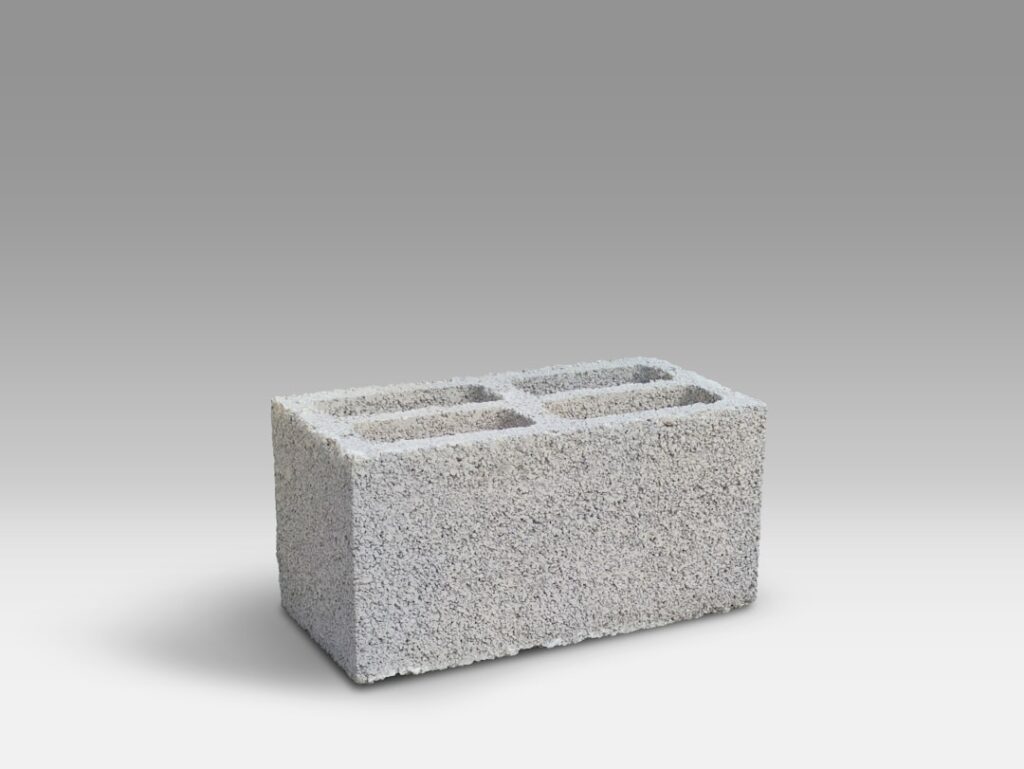
Split face units start life as an oversized “double” block. The plant casts two blocks joined face-to-face as a single unit in a standard block machine, cures them, then feeds the cured double through a hydraulic splitter — essentially a guillotine with hardened chisels. The blade fractures the unit down the middle, and the break follows the aggregate rather than a smooth mold line. Each half comes away with a jagged, rock-like face where stones in the mix have literally been sheared or popped out of the matrix.
Because the texture comes from fracture, no two blocks are identical. Aggregate choice changes the character dramatically: limestone aggregate splits bright and chunky, while granite or trap rock gives a darker, finer fracture. Some plants run “split rib” or “split fluted” variants, where vertical ribs are cast into the double and each rib splits individually for a corduroy-like shadow line.
Sizes and Formats
Split face block follows standard CMU modularity, with the split face on one long side. Nominal sizes you will actually find at masonry yards:
- 8x8x16 inch — the workhorse structural unit, roughly 33-38 lbs
- 4x8x16 inch — veneer thickness for facing a framed or CMU backup wall
- 6x8x16 and 12x8x16 inch — for thinner partitions and heavier loadbearing walls respectively
- Bond beam, corner (split on two faces), and half-block units — order corners early; split-two-sides corner units are frequently a special run
Actual dimensions run 3/8 inch under nominal to allow for the mortar joint, so an 8x8x16 measures 7-5/8 x 7-5/8 x 15-5/8. The split face itself adds up to an inch of irregular projection, which matters when you are figuring clearances at door jambs and flashing details.
Integral Color Options
Color in split face block is integral — iron-oxide pigments are batched into the concrete mix, so the color runs through the full unit and the fractured face shows it naturally. Standard gray is the cheapest. Pigmented runs in tan, buff, brown, red, charcoal, and blended ranges typically add $0.50 to $1.50 per block. Two practical warnings: pigmented block varies between production runs, so order the whole job plus 5 percent waste from a single run, and expect efflorescence (white mineral bloom) to show more on dark colors during the first year. Most producers — Echelon (Oldcastle), Midwest Block, County Materials, Best Block — publish regional color charts because aggregate and cement sources shift the final tone.
Where Split Face Block Gets Used
Commercially, split face is a single-wythe economy play: one 8-inch structural wall that is also the finished exterior. Schools, warehouses, retail shells, churches, and storage facilities use it because you skip the cost of a separate veneer. Grouted and reinforced, an 8-inch split face wall carries serious load and delivers a 2-hour or better fire rating.
Residentially, the material shows up as garden and retaining walls, mailbox and pillar surrounds, garage and workshop exteriors, foundation facing (4-inch veneer units over poured concrete), and outdoor kitchen or fireplace surrounds. The 4x8x16 veneer format is the smart pick for accent work — half the weight, laid against a backup wall with masonry ties every 16 inches vertically.
The Water Problem You Cannot Ignore
Here is the flaw: splitting the face opens the aggregate-paste interface and creates a porous, fissured surface. Wind-driven rain wicks into the face and, in single-wythe walls, into the open cores. Chicago’s building stock is the cautionary tale — thousands of 1990s-2000s split face buildings developed saturated walls, rotted joist ends, and interior mold, and the city now effectively treats unsealed split face as a defect in property inspections.
The fixes are known and non-negotiable:
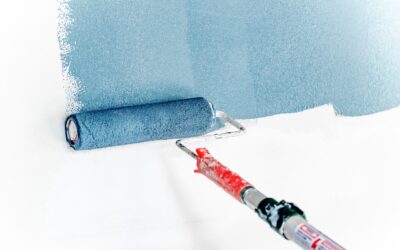
- Seal on a schedule. Apply a penetrating siloxane/silane water repellent (Prosoco Sure Klean Weather Seal Blok-Guard, ChemMasters, or similar) at roughly 100-125 sq ft per gallon on split texture — about double the consumption of smooth block. Recoat every 3-5 years. Budget $0.75-$1.50 per sq ft applied.
- Detail the top of the wall. Most split face failures start at uncapped parapets and sills. Use solid or sloped cap units, metal coping, or cast stone caps with drip edges.
- Flash and weep. Through-wall flashing and weep vents at the base course and above openings give absorbed water a way out.
- Consider integral repellent block. Many plants offer units batched with Dry-Block or RainBloc admixture, paired with the same admixture in the mortar. It helps substantially but does not eliminate the sealing schedule.
Cost: Split Face vs Standard CMU
Per-unit pricing at the yard (2026, regional variation of 20 percent or more is normal):
- Standard gray 8x8x16 smooth CMU: $1.80-$3.00 per block
- Gray 8x8x16 split face: $3.00-$4.50 per block
- Colored 8x8x16 split face: $3.75-$6.00 per block
- 4x8x16 split face veneer: $2.50-$4.00 per block
Figure 1.125 blocks per square foot of wall for 8×16 face dimensions. Installed pricing for a reinforced, grouted split face wall runs $18-$32 per sq ft depending on region, height, and rebar schedule — versus roughly $15-$25 for smooth CMU. The premium buys you a finished face, so compare it against smooth block plus stucco or veneer, where split face usually wins on total cost.
Laying Considerations
Split face lays like any CMU but punishes sloppy work. The irregular face makes joint striking slower — masons typically rake or strike joints carefully because smears on the rough texture are nearly impossible to clean without acid washing. Keep the split faces dry-stacked in a mockup first to blend color variation across cubes; pulling blocks from three cubes at once is standard practice on pigmented jobs. Cutting is harder on blades than smooth block because you are often sawing through exposed coarse aggregate — plan on a 14-inch diamond blade in a masonry saw, not a grinder. Finally, protect the wall during construction: cover the top course at the end of every day, because a rain-soaked open-core split face wall can take weeks to dry and will efflorescence badly.
Ordering and Estimating Tips
Estimate quantities before calling the yard: wall square footage times 1.125 gives block count for standard 8×16 faces, then add 5 percent breakage and cutting waste — 10 percent on jobs with lots of corners or curves. Mortar runs roughly three bags of Type S masonry cement plus sand (or eight 80-lb bags of premixed Type S) per 100 blocks, and grout for reinforced cores adds about 0.25 cubic feet per filled core on 8-inch block. Ask the yard three questions: whether the color is a stock run or special order (specials add 2-6 week lead times and minimums of a cube or more, typically 90-96 blocks per cube), whether matching corner and cap units are available in the same run, and whether integral water repellent block is stocked locally. Delivery with a boom truck that can set cubes near the wall line is worth the $75-$150 fee — moving three tons of block by wheelbarrow is a full day of labor you did not price.
Is Split Face Block Worth It?
For a structural wall that needs to look finished on a budget — detached garages, shop buildings, site walls, commercial shells — split face concrete block is hard to beat at $3-$6 per unit. Treat the sealing requirement as a permanent line item, not an option, and detail the top of the wall like a roof. Skip it for below-grade or chronically wet exposures where the porous face works against you, and consider integral-repellent units anywhere rain exposure is severe. Specified with those guardrails, the material delivers decades of service and a stone look for cinder-block money.