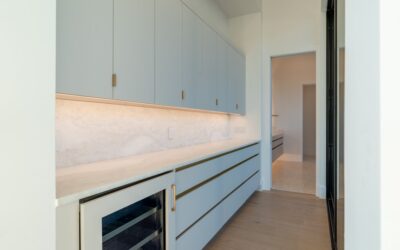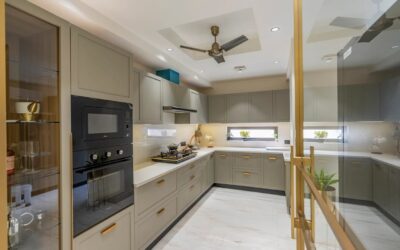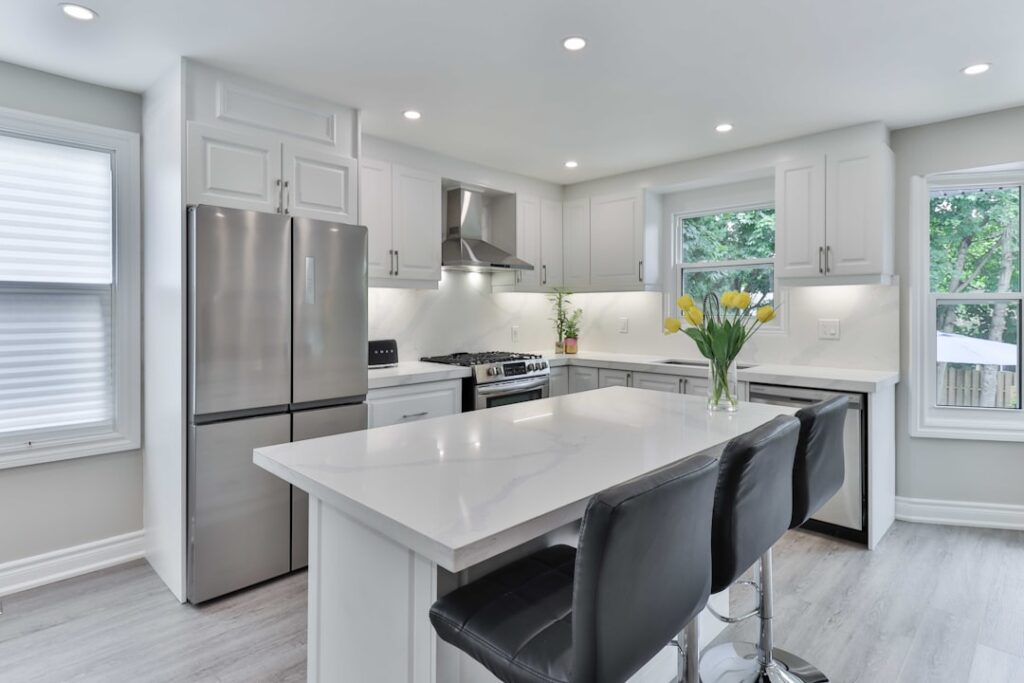
For homeowners chasing a clean, contemporary look, handleless kitchen cabinets deliver uninterrupted surfaces and a seamless, minimalist aesthetic. By replacing traditional knobs and pulls with integrated grips, push mechanisms, or recessed rails, these cabinets create a sleek face that defines modern European kitchen design.
Part of our Kitchen Remodeling guide — explore the full guide →
- What Handleless Really Means
- The J-Pull Profile
- Integrated Rail Systems
- Push-to-Open Mechanisms
- Materials and Finishes
- Cost Considerations
- Advantages Beyond Looks
- Potential Drawbacks
- Best Kitchen Styles
- Combining With Appliances
- Maintenance Tips
- Handleless in Small Kitchens
- Ergonomics and Everyday Use
- Combining Handleless With Open Shelving
- Durability of the Mechanisms
- Common Mistakes to Avoid
- Resale and Market Appeal
- Color and Contrast Options
- Budgeting the Upgrade
- Final Thoughts
What Handleless Really Means
Handleless cabinetry eliminates protruding hardware in favor of built-in ways to open doors and drawers. The result is a smooth, flat façade that reads as a single continuous plane. Beyond looks, the absence of handles removes snag points for clothing and towels, and it simplifies cleaning by cutting out the crevices where grime and grease collect around traditional pulls.
The J-Pull Profile
One of the most common approaches is the J-pull, a curved lip routed or shaped into the top edge of the door. Your fingers hook into the recess to open it. J-pull doors keep a defined edge and cost less than fully integrated rail systems. They work well on both drawers and doors and suit a wide range of finishes from matte painted to woodgrain laminate.
Integrated Rail Systems
A horizontal aluminum rail recessed between cabinet runs provides a continuous channel for fingers to grip. This true handleless system, popular in high-end German kitchens, allows perfectly flat door fronts because the pulling point sits in the gap rather than on the door. Rails come in finishes like anodized aluminum, black, and brass to complement the scheme.
Push-to-Open Mechanisms
Push-to-open, or tip-on, hardware lets you press the door or drawer face to trigger a spring that pops it ajar. This creates the cleanest possible look with no grip profile at all. It pairs well with soft-close hinges so the door glides shut. The trade-off is occasional accidental openings and fingerprint marks where you press, especially on dark glossy finishes.
Materials and Finishes
Handleless cabinets shine in matte and high-gloss lacquers, textured melamine, fenix nano-laminate, and real wood veneer. Matte and fingerprint-resistant surfaces are increasingly favored because there are no handles to keep the hands off the doors. Slab-front doors, with no frame or panel detail, are the natural companion to handleless design and reinforce the streamlined look.
Cost Considerations
Handleless designs typically cost 10 to 25 percent more than comparable cabinets with traditional hardware, driven by precision routing, rail extrusions, and push mechanisms. A full handleless kitchen might run $12,000 to $30,000 or more depending on materials and size. J-pull is the budget-friendly entry point, while integrated rail and push systems sit at the premium end.
Advantages Beyond Looks
Without protruding hardware, walkways feel wider and there is nothing to bump a hip on in a narrow galley. Families with children appreciate the lack of sharp pulls at head height. Cleaning is faster because there are no handle bases to scrub around. And the flush surfaces make small kitchens appear larger and less visually busy.
Potential Drawbacks
Fingerprints and smudges show more readily, particularly on gloss and dark colors, so a fingerprint-resistant finish is wise. Push-to-open drawers can open unexpectedly if bumped. J-pull recesses can collect crumbs and need occasional wiping. And because opening relies on precise gaps and mechanisms, quality manufacturing matters more than with simple knob-and-screw hardware.
Best Kitchen Styles
Handleless cabinets are the signature of modern, minimalist, and Scandinavian kitchens. They also suit industrial and contemporary open-plan spaces where clean lines matter. They are less at home in traditional, farmhouse, or cottage kitchens, where visible hardware is part of the charm. If your home leans contemporary, handleless is a natural and cohesive choice.
Combining With Appliances
For a truly seamless wall, pair handleless cabinets with integrated, panel-ready appliances so the refrigerator and dishwasher disappear behind matching fronts. Choose appliances with hidden or minimal controls to preserve the flat façade. Coordinating the rail or J-pull line across appliance panels keeps the horizontal rhythm consistent along the run.
Maintenance Tips
Wipe surfaces with a soft microfiber cloth and mild cleaner; avoid abrasive pads that scratch lacquer. Clean the J-pull recesses and rail channels periodically to remove crumbs and dust. Check push-to-open mechanisms yearly and adjust or lubricate as needed. Fingerprint-resistant matte finishes require the least upkeep and are worth specifying if your household is busy.
Handleless in Small Kitchens
Compact kitchens benefit enormously from a handleless approach. Without hardware jutting into the walkway, a galley as narrow as 36 inches feels less cramped and there is nothing to catch a bag or sleeve on. The flat, continuous fronts reflect light and reduce visual clutter, tricking the eye into perceiving more space. For apartments and tight urban kitchens, this streamlined look is both practical and space-enhancing.
Ergonomics and Everyday Use
Consider how the household actually opens cabinets before choosing a system. J-pull and rail designs require fingers to hook into a recess, which is comfortable for most but can be harder for users with limited grip strength or arthritis. Push-to-open needs only a light press, benefiting those users, though it demands clean hands to avoid smudges. Testing the opening action in a showroom reveals which system suits your family’s daily habits.
Combining Handleless With Open Shelving
A wall of seamless handleless cabinets can feel monolithic, so many designers break it up with a run of open shelving or a section of glass-front doors. The contrast adds warmth and a place to display dishware or plants, relieving the flat expanse. This mix keeps the modern, uncluttered feel while preventing the kitchen from reading as a cold, featureless block.
Durability of the Mechanisms
The moving parts in a handleless kitchen deserve scrutiny, since they open and close thousands of times a year. Quality push-to-open catches and soft-close hinges from reputable European hardware makers are rated for tens of thousands of cycles. Cheaper mechanisms wear out and leave you unable to open a drawer smoothly. Because there is no handle to fall back on, investing in durable, well-reviewed hardware is essential to long-term satisfaction.
Common Mistakes to Avoid
Choosing high-gloss dark fronts without considering fingerprints leads to constant wiping. Mixing handleless doors with traditional cabinet styling looks inconsistent. Skimping on hardware quality causes push mechanisms to fail early. And forgetting to plan appliance integration breaks the seamless line the design promises. Order samples and test the opening action before committing.
Resale and Market Appeal
Handleless cabinets carry strong appeal in contemporary and urban markets, where buyers expect a sleek, modern kitchen. In more traditional neighborhoods, the ultra-minimal look may feel out of step with buyer expectations. If resale is a concern, consider your local market and home style before committing. A J-pull design offers a safe middle ground, reading as modern without the stark, hardware-free extreme that push-to-open produces.
Color and Contrast Options
Because the fronts are uninterrupted planes, color choices carry extra weight in a handleless kitchen. Two-tone schemes work beautifully, pairing dark lower cabinets with pale uppers or a natural wood island against matte white runs. A single dramatic color, such as deep green or charcoal, reads as a bold architectural block. Contrasting the recessed rail or J-pull channel in a complementary metal adds a subtle line of detail across the run.
Budgeting the Upgrade
Compared with knob-and-pull cabinets, expect to pay more for the precision machining and specialty hardware handleless designs require. On a mid-range kitchen, the premium might add $1,500 to $4,000 depending on the system and finish. J-pull is the most economical route, integrated rail systems sit in the middle, and fully automated push-to-open mechanisms cost the most. Weigh the aesthetic payoff against your overall renovation budget before choosing a system.
Final Thoughts
Sleek and practical, handleless kitchen cabinets give modern homes a clean, uncluttered face while improving flow and simplifying cleaning. Whether you choose an affordable J-pull, an integrated rail, or push-to-open mechanisms, matching the system to your finish and appliances ensures a kitchen that looks effortlessly refined for years.