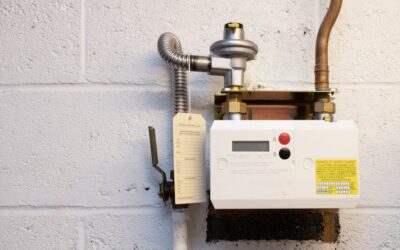
A Rheem gas water heater is one of the safest bets in the residential market, and there’s a reason plumbers install so many of them. Rheem builds a deep lineup of natural gas and propane tank units that balance price, efficiency, and parts availability better than almost anyone. If your current tank died and you want a straightforward gas replacement, Rheem belongs on your list.
I’ve set dozens of these. They light reliably, parts are on the truck, and the warranty support is solid. Below is what you actually need to know before you buy one.
- Rheem Gas Water Heater Lineup
- Atmospheric vs Power Vent vs Condensing
- Sizing Your Rheem Gas Tank
- Rheem Gas Water Heater Prices
- Installation and Safety
- Common Rheem Gas Issues and Fixes
- Maintenance for a Long Life
- Reading the Serial Number and Warranty
- Gas vs Electric and Hybrid Rheem Options
- Is a Rheem Gas Water Heater Worth It?
Rheem Gas Water Heater Lineup
Rheem sorts its tanks into tiers, and the names tell you the warranty and feature level:
- Performance: the value line, 6-year warranty, basic atmospheric venting. Good for a rental or a tight budget.
- Performance Plus: 9-year warranty, better insulation, often a self-cleaning dip tube.
- Performance Platinum: 12-year warranty, higher efficiency, and models with a built-in leak-detection and auto-shutoff sensor.
- Professional (Classic, Prestige): the contractor-grade lines sold through plumbing suppliers, with the longest warranties and best components.
Within each tier you’ll find standard atmospheric models and higher-efficiency power-vent and condensing units. Common sizes are 30, 40, 50, 65, and 75 gallons.
Atmospheric vs Power Vent vs Condensing
How the unit gets rid of exhaust gases matters for cost and where it can go:
- Atmospheric vent: exhaust rises naturally up a metal flue. Cheapest, simplest, around 0.60 to 0.64 efficiency (UEF). Needs a chimney or vertical vent and good combustion air.
- Power vent: a blower pushes exhaust out through PVC, so you can vent horizontally through a sidewall. Around 0.67 UEF. Needs an electrical outlet nearby.
- Condensing: extracts extra heat from exhaust, 0.80-plus UEF, produces acidic condensate that must drain. Best gas bill, highest upfront cost.
For most homes replacing an old chimney-vented tank, an atmospheric or power-vent Performance-series unit is the practical choice.
Sizing Your Rheem Gas Tank
Gas tanks recover fast, so first-hour rating (FHR) is the number that matters, not just tank size. FHR is how many gallons of hot water the unit delivers in a busy first hour. Match it to your peak demand:
- 1 to 2 people: 30 to 40 gallon, FHR around 45 to 60.
- 2 to 3 people: 40 gallon, FHR 60 to 70.
- 3 to 4 people: 50 gallon, FHR 70 to 85.
- 5-plus or a soaking tub: 65 to 75 gallon, FHR 85 to 100-plus.
Because gas burners run 30,000 to 40,000 BTU on residential tanks, a 50-gallon gas unit often keeps up with a household that would need a 65-gallon electric. Add up your peak-hour hot water use and buy the FHR that covers it. Undersize and you get cold showers; oversize and you pay to keep extra water hot.
Rheem Gas Water Heater Prices
What you’ll actually spend:
- Performance 40-gallon atmospheric: $500 to $700 for the unit.
- Performance Plus 50-gallon: $700 to $950.
- Performance Platinum 50-gallon: $1,000 to $1,400.
- Power-vent 50-gallon: $900 to $1,500.
- Installed total: add $500 to $1,500 for labor, fittings, venting, permit, and haul-away.
A typical 40 or 50-gallon Rheem gas tank installed lands between $1,200 and $2,200. Power-vent and condensing installs run higher because of the venting and electrical work.
Installation and Safety
This is where I get firm: a gas water heater is not a DIY swap unless you genuinely know gas codes. Improper work here risks a gas leak, backdrafting carbon monoxide into your living space, or a fire. Hire a licensed plumber or gas fitter.
Here’s what a proper install involves:
- Gas line: correctly sized black iron or CSST, sized to the burner BTU, with a shutoff and a sediment trap.
- Venting: atmospheric flue pitched up and properly connected to the chimney, or a code-compliant PVC power-vent run. Bad venting means CO in the house.
- Combustion air: enough fresh air for the burner, especially in a closet or tight mechanical room.
- Permit and inspection: required in nearly every jurisdiction. It’s not bureaucracy, it’s the check that the gas and venting are safe.
- T&P valve and drain pan: a proper discharge line and a pan if the unit sits where a leak would cause damage.
Every Rheem gas unit has a gas control valve with a piezo or electronic igniter and a thermocouple or flame-sensing rod. After install, the plumber should leak-test every joint with soap solution and confirm the burner draws properly.
Common Rheem Gas Issues and Fixes
These are the calls I get most:
- Pilot won’t stay lit: usually a dirty or failing thermocouple, or a clogged pilot orifice. A $20 to $40 part.
- Burner rumbling: sediment on the tank bottom. Flush it.
- Not enough hot water: undersized unit, a bad dip tube, or a partially closed gas valve.
- Rotten-egg smell in hot water: bacteria reacting with the anode rod. Swap to an aluminum-zinc anode.
- Status light blinking a code: Rheem gas valves flash diagnostic codes. Match the pattern to the label on the unit before replacing anything.
Maintenance for a Long Life
To get the full 8 to 12 years out of a Rheem gas tank:
- Flush a few gallons from the drain valve yearly to clear sediment.
- Test the T&P relief valve once a year.
- Check the anode rod at year 3, then every couple of years, and replace when it’s spent.
- Keep the burner area and combustion air intake clean and free of dust and lint.
- Set the thermostat to 120°F for safety and to slow scale buildup.
Reading the Serial Number and Warranty
Before you assume a Rheem tank is dead, find out how old it is. Rheem encodes the manufacture date in the serial number, usually starting with the month and year, so a serial beginning “0821” means August 2021. That tells you whether you’re inside the 6, 9, or 12-year warranty on your tier. Keep the receipt and the model plate photo, because Rheem honors tank warranties but wants proof of purchase date and, on the Professional lines, proof the unit was professionally installed.
One thing that trips people up: the warranty covers the tank and parts, not the labor to swap it. A leaking tank in year 8 of a 12-year warranty gets you a free replacement unit, but you still pay a plumber a few hundred dollars to install it. Factor that in when you compare a warranty claim against just buying a fresh, more efficient unit.
Gas vs Electric and Hybrid Rheem Options
Rheem doesn’t only make gas. If your gas venting is a headache or you’re weighing operating costs, know the alternatives in their lineup. A Rheem electric tank installs simpler with no venting but recovers slower and usually costs more to run. The Rheem ProTerra hybrid heat-pump is their efficiency star, running three to four times more efficient than a standard electric tank and qualifying for federal and utility rebates that can trim $300 to $600 off the price.
That said, if you already have a gas line to the water heater and good venting, a gas Rheem is typically the cheapest to operate month to month and recovers fast enough for a busy family. Switching fuels only makes sense when the install conditions or long-term energy savings clearly favor it, so run the numbers before you abandon a perfectly good gas hookup.
Is a Rheem Gas Water Heater Worth It?
Yes, for most homes it’s a smart, dependable choice. The range of sizes and efficiency levels means there’s a Rheem for nearly any budget, parts are everywhere, and the Performance Platinum models with leak detection add genuine peace of mind. Buy the tier that matches how long you’ll stay in the house, size it by first-hour rating, and have a licensed pro handle the gas and venting. Do that and you’ll get a decade of quiet, reliable hot water.