In my 20+ years of flooring experience, thin brick flooring is one of those materials that immediately transforms a space. It brings the authentic warmth and character of full brick without the structural challenges and excessive weight. I have installed thin brick floors in farmhouse kitchens, wine cellars, entryways, restaurants, and commercial retail spaces, and the reaction from clients is consistently one of delight. In this guide, I will share what I know about thin brick flooring, including honest cost figures, installation methods, and design considerations that will help you decide if it is right for your project.
What Is Thin Brick Flooring?
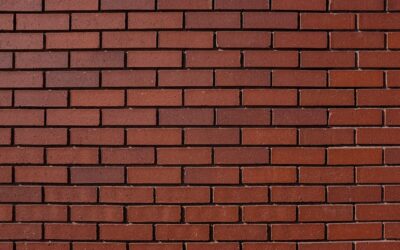
Thin brick, also called brick veneer or brick tile, is real clay brick that has been cut or manufactured to a reduced thickness. Standard full bricks are approximately 3-5/8 inches thick. Thin brick floor tiles are typically 1/2 inch to 3/4 inch thick. They are made from the same clay materials, fired in the same kilns, and have the same appearance, texture, and color as full-size bricks. The difference is simply thickness and weight.
This reduced profile is what makes thin brick practical as a flooring material in situations where full brick would be problematic. A thin brick floor weighs roughly 3 to 5 pounds per square foot compared to 15 to 20 pounds per square foot for full brick pavers. That weight difference means thin brick can be installed on standard residential subfloors, upper stories, and over existing concrete without the structural reinforcement that full brick demands.
Thin brick flooring is available in a wide range of colors, textures, and sizes. Classic red, weathered white, charcoal, and multi-toned blends are all standard options. Surface textures range from smooth to heavily textured with wire-cut or tumbled finishes. Sizes mirror standard brick dimensions: the most common is 2-1/4 inches by 7-5/8 inches (modular brick size), but larger and smaller formats are available.
Thin Brick Flooring Cost
Material Cost
Thin brick floor tiles cost between $4 and $12 per square foot for the brick alone. Standard domestic thin brick in common colors runs $4 to $7 per square foot. Specialty finishes, reclaimed-look bricks, and handmade artisan thin bricks cost $8 to $12 per square foot. Imported European thin brick can exceed $15 per square foot for premium products.
Installation Cost
Professional installation adds $6 to $14 per square foot, which includes surface preparation, thinset or adhesive application, brick laying, grouting, and sealing. The total installed cost for thin brick flooring is typically $10 to $25 per square foot.
For a 200-square-foot kitchen, expect to pay $2,000 to $5,000 total. For a 100-square-foot entryway, $1,000 to $2,500 is typical. These are mid-to-upper-range flooring costs, comparable to quality natural stone tile and premium porcelain but less than most full brick paver installations.
Additional Cost Factors
Herringbone and other complex patterns increase labor costs by 15-25% compared to running bond (standard brick) patterns. Reclaimed or antique thin brick costs more because of limited supply and the additional preparation required to sort, clean, and flatten salvaged material. High-quality penetrating sealers add $1 to $2 per square foot to the project cost but are essential for protecting the porous brick surface.
Installation Methods
Over Concrete
Concrete is the ideal substrate for thin brick flooring. The surface must be clean, structurally sound, and flat to within 1/4 inch over 10 feet. Apply a modified thinset mortar using a 1/4-inch by 3/8-inch notched trowel, then press each brick into the mortar with a slight twisting motion to ensure full coverage. Maintain consistent spacing using brick spacers or by eyeing the joints (experienced installers can maintain consistent joints freehand).
Over Plywood Subfloor
Thin brick can be installed over plywood subfloors in wood-framed construction, but additional preparation is required. Install 1/2-inch cement backer board over the plywood using thinset and cement board screws, then apply thin brick over the backer board with modified thinset. The backer board provides a stable, moisture-resistant base that prevents the natural expansion and contraction of the wood subfloor from cracking the mortar joints.
I always check the structural capacity of the floor system before installing thin brick over plywood. The dead load of thin brick plus mortar and backer board is approximately 8 to 10 pounds per square foot, which is manageable for most residential floor systems but worth verifying, especially in older homes.
Grouting
After the thinset cures (typically 24 hours), fill the joints with grout. Sanded grout in a color that complements the brick is the standard choice. For a traditional look, use a gray or buff-colored grout. For a more modern or dramatic look, dark charcoal or even black grout creates striking contrast with lighter brick.
Apply grout using a grout bag (similar to a pastry bag) to pipe grout into the joints. This keeps the brick faces clean and produces a neat, controlled grout line. Alternatively, spread grout across the surface with a float and clean off the excess, though this method leaves more residue on the textured brick surface and requires more cleanup effort.
Tool the joints with a jointing tool or the handle of a spoon to create a concave profile that sheds water and adds shadow definition. Allow the grout to cure for 24 to 48 hours before sealing.
Sealing
Sealing is essential for thin brick floors. Brick is porous and will absorb stains, moisture, and grease if left unsealed. Apply a penetrating sealer that soaks into the brick and grout to provide protection from within without changing the natural matte appearance. For kitchen floors and high-traffic areas, I apply two coats of sealer and recommend reapplication every 2 to 3 years.
Topical sealers that form a film on the surface are also available and provide a slight sheen, but they can become slippery when wet and may peel over time in high-traffic areas. I prefer penetrating sealers for floors.
Pros of Thin Brick Flooring
Authentic Character
Nothing replicates the look and feel of real brick. Thin brick is genuine fired clay, not a printed facsimile or a stamped concrete imitation. The natural color variation, texture, and visual warmth are authentic. Guests and visitors always notice and comment on a brick floor because it stands out from the sea of hardwood, tile, and vinyl that dominates most homes.
Durability
Fired clay brick is extremely hard and resistant to wear. Thin brick floors in commercial spaces like restaurants and retail stores handle heavy foot traffic for decades. In residential settings, a thin brick floor will easily outlast the homeowner’s interest in the design, which is both a pro and a con to consider.
Low Profile
At 1/2 to 3/4 inch plus mortar, thin brick adds less than 1 inch of total height to the floor. This makes transitions to adjacent flooring materials manageable and allows thin brick to work in renovation projects where floor height is constrained by existing door clearances and step heights.
Heat Retention
Brick has excellent thermal mass, absorbing heat and releasing it slowly. Over a radiant floor heating system, thin brick flooring creates a wonderfully warm surface that maintains heat even after the system cycles off. I have paired thin brick with in-floor radiant heating in several kitchen and bathroom projects with outstanding results.
Cons of Thin Brick Flooring
Hardness
Brick is unforgiving on feet, legs, and dropped items. Standing on a brick floor for extended periods causes fatigue, and anything fragile that hits the floor will almost certainly break. Anti-fatigue mats in front of kitchen sinks and prep areas help manage this issue.
Porosity
Even sealed brick absorbs more moisture and stains than glazed tile, vinyl, or sealed hardwood. Spills in kitchens need prompt attention, and sealer must be maintained on schedule. Red wine, oil, and acidic foods are the biggest staining risks on brick floors.
Uneven Surface
The textured surface of thin brick makes it more difficult to clean than smooth flooring. Dirt, crumbs, and debris settle into the texture and grout lines, requiring more thorough cleaning. Furniture may wobble on uneven brick surfaces, and chairs do not slide easily on textured brick the way they do on smooth floors.
Cold Without Heating
Without radiant heating, brick floors feel cold underfoot, especially on concrete slabs in cooler climates. The same thermal mass that is a benefit with radiant heat becomes a drawback without it. Area rugs can help in living spaces.
Design Ideas
Farmhouse Kitchen
A classic red or warm-toned thin brick floor in a running bond pattern is the definitive farmhouse kitchen look. Pair it with white or cream cabinetry, butcher block countertops, and open shelving for a timeless country aesthetic. Use a buff-colored grout to keep the look warm and inviting.
Wine Cellar or Bar Area
Thin brick flooring creates an authentic cellar atmosphere in wine rooms and home bars. Choose darker brick tones or reclaimed-look brick for a sense of age and history. Herringbone or basketweave patterns add visual interest in smaller spaces.
Entryway and Mudroom
Thin brick is an excellent choice for entryways and mudrooms because it hides dirt, resists heavy traffic, and makes a strong first impression. The transition from outdoors to indoors feels natural with a brick floor. Use darker brick colors to minimize the appearance of tracked-in dirt.
Commercial Spaces
Restaurants, bakeries, boutique retail, and hospitality lobbies all benefit from the character of thin brick flooring. The material conveys authenticity and craftsmanship, which aligns with the brand message of many independent businesses. I have installed thin brick floors in several restaurant projects that became defining design features of the space.
Herringbone Pattern
Herringbone is the most popular pattern for thin brick flooring after the standard running bond. The V-shaped zigzag pattern adds movement and sophistication to the floor and works well in both traditional and contemporary settings. It requires more cuts and longer installation time but the visual payoff is significant.
Maintenance and Sealing
Sweep or vacuum thin brick floors regularly to remove grit and debris from the textured surface. Mop with a pH-neutral cleaner and warm water as needed. Avoid acidic cleaners (vinegar, citrus-based products) as they can etch the grout and degrade sealers over time.
Reseal the floor every 2 to 3 years, or sooner if water no longer beads on the surface. Resealing is a straightforward process: clean the floor thoroughly, allow it to dry completely, and apply one or two coats of penetrating sealer with a paint pad or roller. The sealer dries in a few hours, and the floor can be used again the next day.
For deep cleaning, a rotary floor scrubber with a soft brush attachment effectively cleans the textured surface and grout lines without damaging the brick or grout.
Frequently Asked Questions
Is thin brick flooring durable?
Yes, thin brick flooring is extremely durable. Fired clay brick resists wear, scratching, and impact better than most flooring materials. With proper installation and sealing, thin brick floors last 50+ years in residential settings and 20+ years in heavy commercial use. The most common maintenance need is resealing every 2 to 3 years.
Can thin brick be used on kitchen floors?
Thin brick is a popular and practical kitchen flooring choice. It is heat-resistant (great near stoves and ovens), extremely durable, and offers a warm, inviting aesthetic. The main considerations are the hardness underfoot (use anti-fatigue mats at workstations), the porous surface (seal properly and wipe up spills promptly), and the textured surface (requires more thorough cleaning than smooth tile).
How thick is thin brick flooring?
Thin brick floor tiles are typically 1/2 inch to 3/4 inch thick. When installed with thinset mortar, the total floor height increase is approximately 3/4 inch to 1 inch. This is significantly less than full brick pavers (3-5/8 inches thick) and makes thin brick suitable for renovation projects and standard residential subfloors.
Does thin brick flooring need to be sealed?
Yes, sealing is essential for thin brick floors. Brick is naturally porous and will absorb stains, moisture, and grease without a sealer. A penetrating sealer applied after installation and reapplied every 2 to 3 years protects the brick and grout while maintaining the natural appearance of the material.
How does thin brick compare to brick-look porcelain tile?
Thin brick is real fired clay with authentic texture, color variation, and character. Brick-look porcelain tile is a printed imitation that approximates the appearance of brick but lacks the genuine tactile quality and depth. Porcelain is easier to clean, more stain-resistant, and available in a wider range of sizes. Thin brick is more authentic and characterful but requires more maintenance. The choice depends on whether authenticity or convenience is your priority.
Prefer to explore on your own?
See how new flooring looks in your actual room in seconds — free, no signup.
Try the free Floor Studio →